 |
|
|
|
|
|
|
|
|
|
|
|
|
|
|
|
|
|
|
|
|
|
|
|
|
|
|
|
|
|
|
|
|
|
|
|
|
|
|
|
|
|
|
|
|
|
|
|
|
|
|
|
|
|
|
|
|
|
|
|
|
|
|
|
|
|
|
|
|
|
|
|
|
|
Previous Events |
|
|
|
At the event titled "Shared Passions" members were invited to bring along a favourite treasure for a "show and tell" session. Our resident textile mentor Kim was on hand, and shared her extensive knowledge with members who wanted to "show and ask". |
|
|
|
 |
|
|
 |
|
|
|
|
 |
|
|
|
|
 |
|
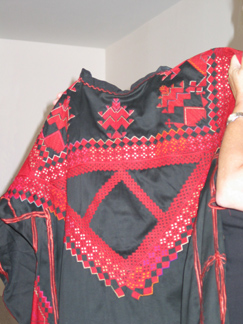
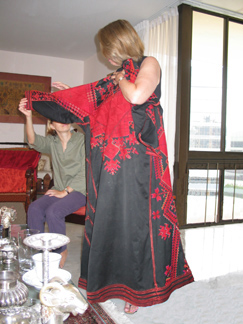
Margaret treated us to the story of how she acquired this wonderful Syrian wedding dress on her travels in that country. The bride would have worn it with a set of heavy silver jewellery. It is richly embroidered using many different stitches. The symbolic patterns would be learnt by a girl from her mother. After being marked out the design is filled in with progressively lighter colours, the white stitches being done last. Whilst there are regional variations on the theme all are deemed to have the power to deflect the evil eye. |
|
|
|
|
|
|
|
|
|
|
|
|
|
|
|
|
|
|
|
 |
|
 |
|
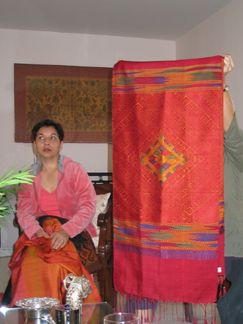
Tara showed us some pieces of Laotian weaving. A modern interpretation of a shaman's head-dress, based on the style of the Red Tai tribal group. It is done with supplimentary weft and tapesty weave. |
|
|
|
|
|
|
|
|
 |
|
|
|
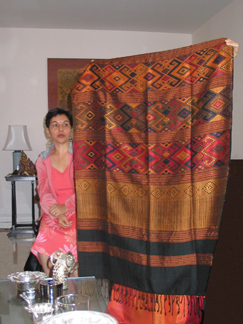
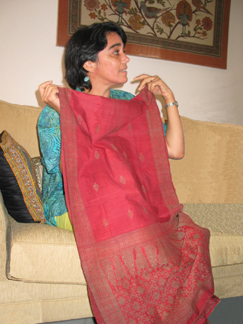
She also brought two less traditional pieces. The ikat shawl ( visible on her lap at left ) and this large wrap. The ikat piece has obviously been influenced by a contemporary designer, showing the synergy between modern aesthetics and ancient craft. The large piece has been backed with a plain fabric to make it more robust, as the loose threads of a continuous weft are liable to pull during wear. |
|
|
|
|
|
 |
|
|
|
|
|
|
|
|
|
|
|
|
|
 |
|
|
|
Sabina usually hangs this beautiful old songket shoulder cloth from Sumatra at home. The very fine work is done with gold wrapped silk threads. These are used to create a classic patola motif, clearly showing the Indian influence on textiles of the region. This piece was featured in a book and the group discussed ways of preserving valuable textiles, whilst also being able to enjoy them in the context of everyday living. |
|
|
|
 |
|
|
|
|
|
|
|
|
|
 |
|
|
|
|
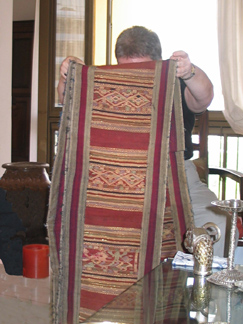
Linda came with the the long woven border that would have been used on a Laotian mosquito net. It has probably been made using natural dyes and the weaver has incorporated the double headed naga pattern.These items would often form part of a wedding trousseau. |
|
|
|
|
|
|
|
|
|
|
|
|
|
 |
|
|
|
|
|
|
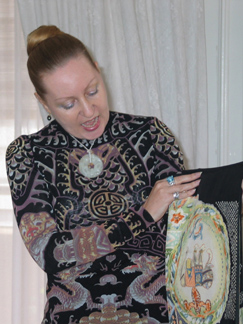
Fiona displays a Taisho Era (1912 - 26 ) silk obi decorated with hand painting, embroiderey and tie dye ( shibori ). The elephant picture would appear inverted if tied by the modern method. However when kimono was everyday wear many more variations on fastening the belt were common. |
|
|
|
|
|
|
|
|
|
|
|
|
|
 |
|
|
|
|
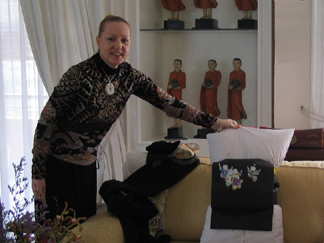
She also had a more recent example tied around a pillow to illustrate the difference in construction. |
|
|
|
|
|
|
|
|
|
|
|
 |
|
 |
|
|
|
 |
|
|
|
|
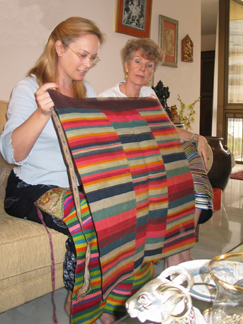
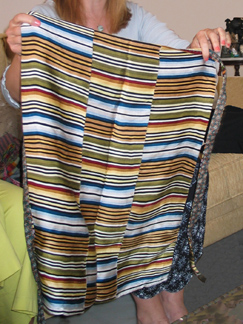
Louise has travelled extensively in Bhutan, and had collected these Tibetan aprons there. The pieces were all about 50 years old. They are only worn by married women and offer symbolic protection to her fertility as well as a practical guard against harsh daily life. Wool ones are for daily use with silk reserved for special occasions. The ties are woven using a complicated card loom. |
|
|
|
|
|
|
|
|
|
|
|
|
|
|
|
|
|
|
|
|
|
|
|
|
|
|
 |
|
|
 |
|
|
|
|
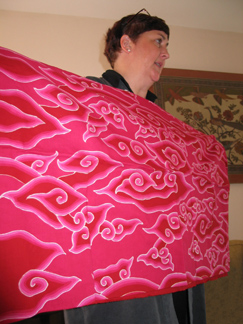
Kim talked to the group about Cathy's piece of Batik fabric. Although bought in Bali, the cloud and wave design is typical of the area of Cirebon on the North coast of Java. Originally produced in shades of blue the market has now diversified into many other hues, |
|
|
|
|
|
|
|
|
|
|
|
|
|
|
|
|
|
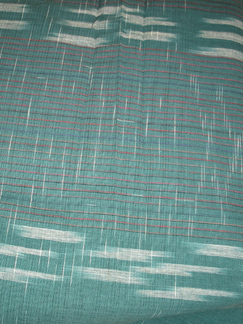
Cathy also presented a cotton ikat probably made by the Karen people and bought in Chiang Mai, Northern Thailand. Woven on a backstrap loom it has both warp and weft ikat threads. However it is not a true "double ikat", since the pattern is generated from two sets of randomly space dyed commercial threads. |
|
|
|
|
|
|
|
|
|
|
|
|
|
|
|
|
|
|
|
Events and Exhibitions |
|
|
 |
|
Members Resources |
|
|
|
|
|
|
|