 |
|
|
|
|
|
|
|
|
|
|
|
|
|
|
|
|
|
|
|
|
|
|
|
|
|
|
|
|
|
|
|
|
|
|
|
|
|
|
|
|
|
|
|
|
|
|
|
|
|
|
|
|
|
|
Maryland - Calvert Cliffs |
|
|
|
 |
|
|
|
 |
|
|
 |
|
|
|
|
|
|
|
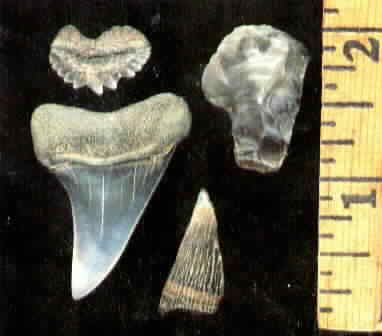
These are four pieces I found in Calvert County, Maryland. They include two sharks teeth, crocodile tooth enamel,
and a flint shard. |
|
|
|
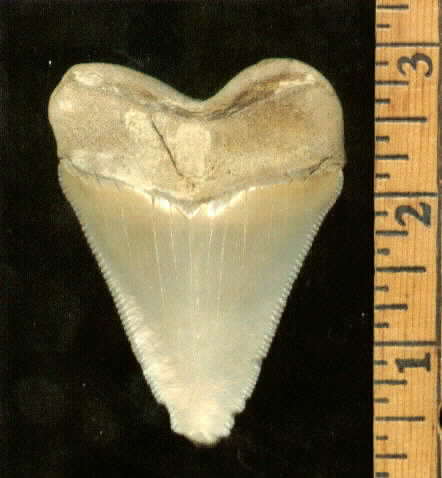
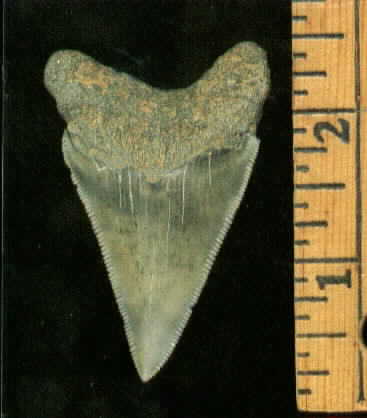
These two pictures are of some of the Megalodon I have found collecting along the coast of the Chesapeake Bay in Calvert County, Maryland.
The one on the left is my first Megalodon tooth (also pictured below left) and the one one the right just happens to be my latest collected early in 2001. |
|
|
|
|
|
 |
|
|
 |
|
|
|
|
|
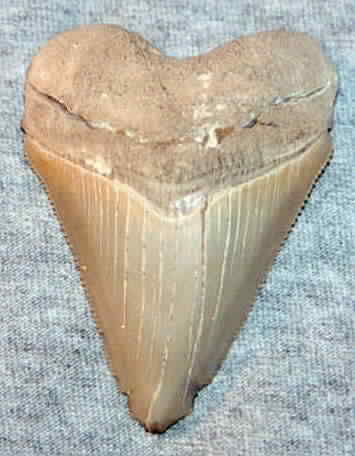
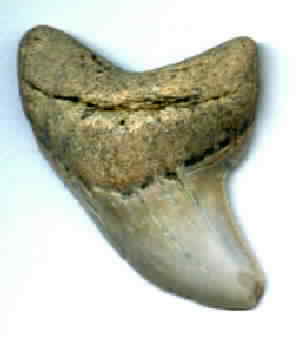
The tooth to the right is another example of the megalodon and it appears to be one of the smaller side teeth of the ancient sea giant. This tooth was found in one of the many creek spills along the cliffs. |
|
|
|
|
|
 |
|
|
|
|
|
|
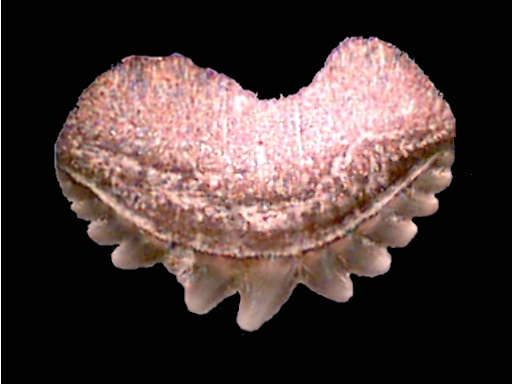
This is an enlarged picture of the cow shark tooth pictured 2 pictures above. This tooth was found while wading in about 1 foot of water along the cliffs. |
|
|
|
|
|
|
|
|
|
|
|
|
|
|
|
 |
|
|
|
|
 |
|
|
|
|
 |
|
|
|
|
|
|
|
|
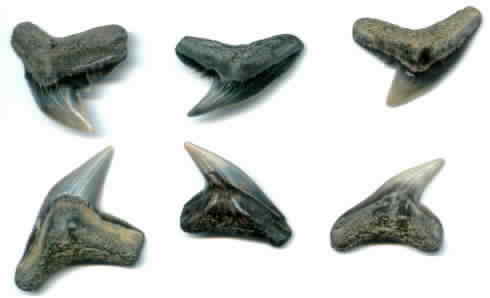
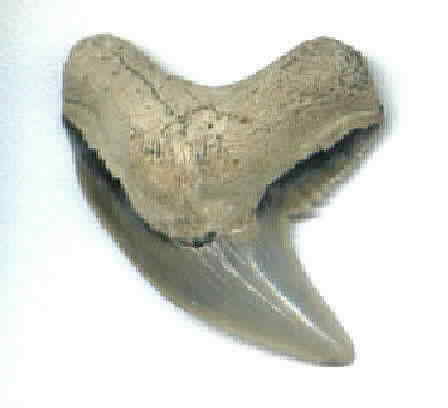
Above is a collection of the more commonly found tiger shark teeth found at Calvert Cliffs. Varing species of the Galeocerdo can be found while walking along the beaches or wading just offshore. The picture on the right is one of the nicer examples I have found. |
|
|
|
|
|
|
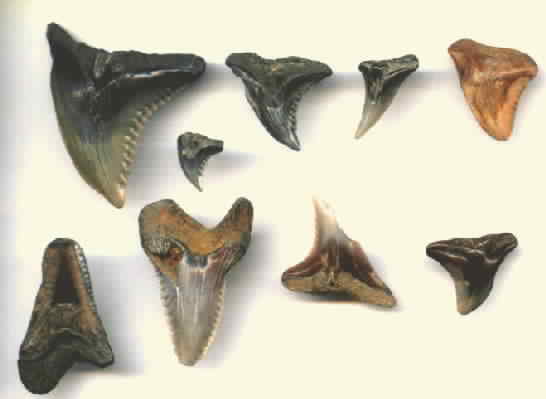
Hemipristis serra.
Also known as snaggletooth. As you can see, it has a wide varied of shapes and sizes in the species. The picture above shows the wide variety of colors and conditions that teeth can be found at the cliffs. Since many of the teeth are beach washed, they take on rounded edges and many suffer damage to the roots such as the tooth in the upper left or with an overall smoothness from wear such as the two teeth on the right. Occasionally, hollow, split teeth are found like the one shown in the lower left. |
|
|
|
|
 |
|
|
|
|
|
|
 |
|
|
|
|
 |
|
|
|
|
|
|
|
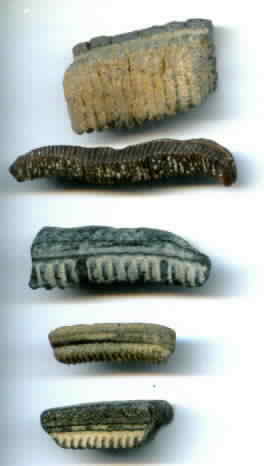
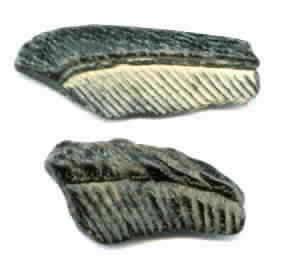
These pictures represent the two types of ray plate fragments found at Calvert Cliffs. The ones on the left are from the Miocene eagle ray Myliobatus. |
|
|
|
|
|
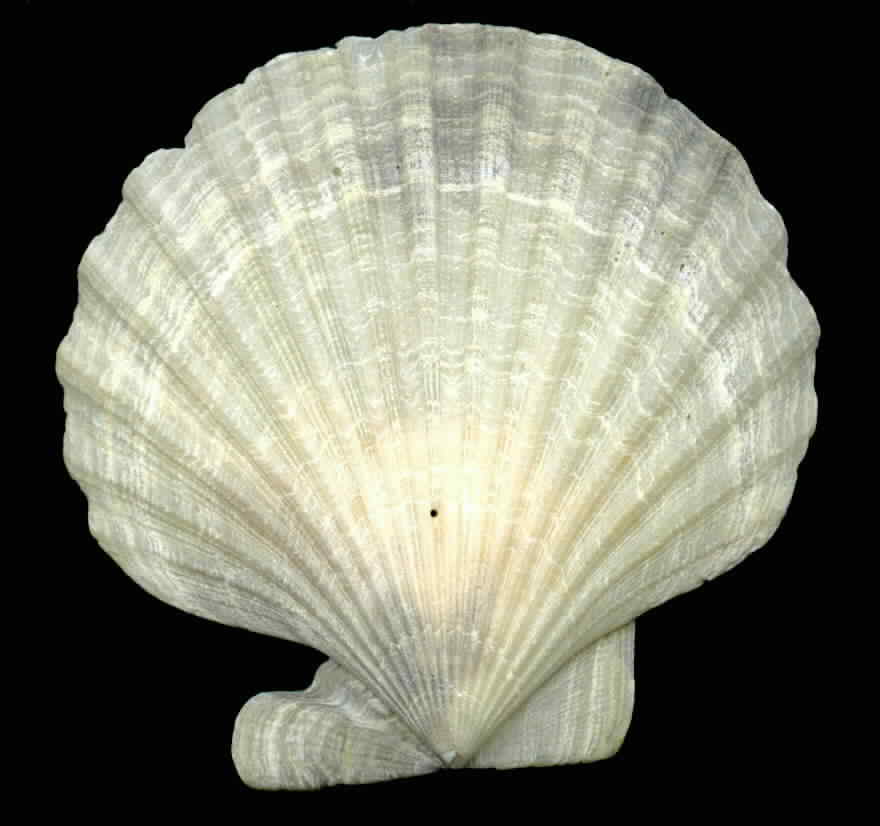
Many types of fossils shells are collected from the Miocene formations of Calvert County. They include Ecphora, Ostrea, and Chesapecten. This picture shows the typical shape and size of the more common scallop shell. |
|
|
|
|
|
|
|
|
|
|

|
|
|
|
PHOTOGRAPHY |
|
LINKS |
|
|
FOSSILS |
|
AUTOGRAPHS |
|
|
|
|
|
|
|
|
|
|
|
|
|
  |
|