 |
|
|
|
|
|
|
|
|
|
|
|
|
|
|
|
|
|
|
|
|
|
TIRADENTES E SAO JOAO DEL REY |
|
|
|
Surely one of the loveliest little towns in all of Brazil, Tiradentes doesn't "wow" like Ouro Preto, but it quietly wins you over and before you know it you, too, will be head over heels in love. Nestled at the foot of the Serra de S�o Jos�, it's a place where time has stood still. When the last mine closed in 1830, people moved away and the town was left as if frozen in amber. A heritage designation early on in 1938 kept any further development at bay.
The town has only a few dozen streets and can easily be seen in a day, but why rush? See the sights, browse the fabulous antiques and jewelry stores, enjoy the fine dining, or just stroll the streets. |
|
|
|
 |
|
|
|
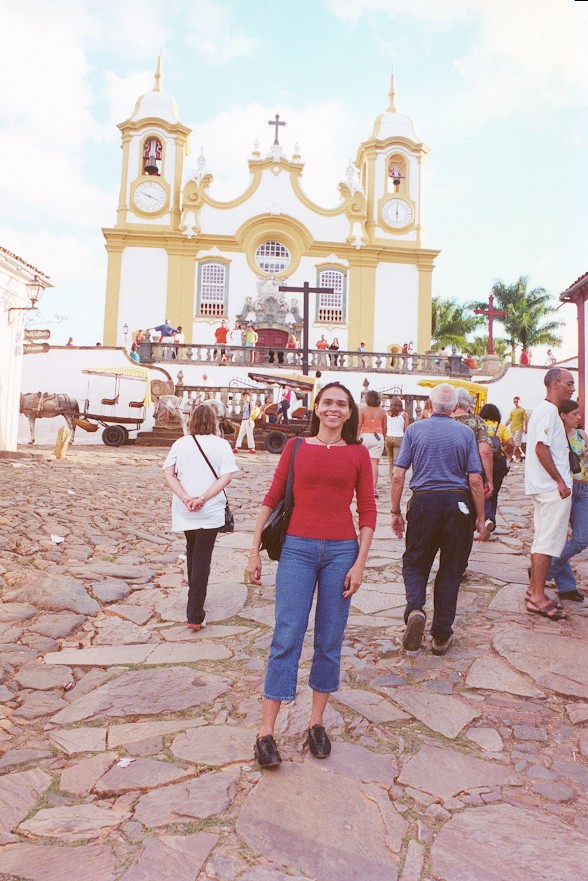
One of the richest churches in Minas Gerais is the Matriz de Santo Antonio, located in Tiradentes. Aleijadinho sculpted the front entrance, portraying a shield with the Lamb of God. The interior is completely plastered with gold; the main altar seems positively ablaze. The sacristy is worth a look for the paintings by Manuel Victor de Jesus representing scenes from the Old Testament. The steps of the church offer one of the best views in the city. |
|
|
|
|
Matriz de Santo Antonio - Tiradentes |
|
|
|
 |
|
|
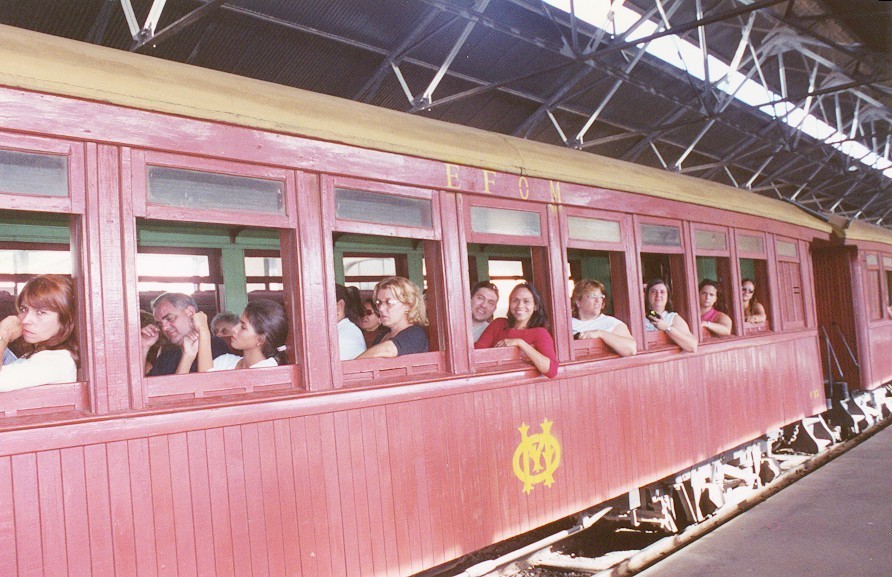
From Tiradentes to Sao Joao Del Rey, we took an old train called "Maria Fumaca", a very charming way f traveling. This enchantment already starts in the embarkment or landing (in Tiradentes) in the small station constructed in 1881, to serve the Company of Iron West of Mines. It keeps the same style of the mining stations built in the end of century XVIII and beginning of the XIX. |
|
|
|
|
|
|
 |
|
|
|
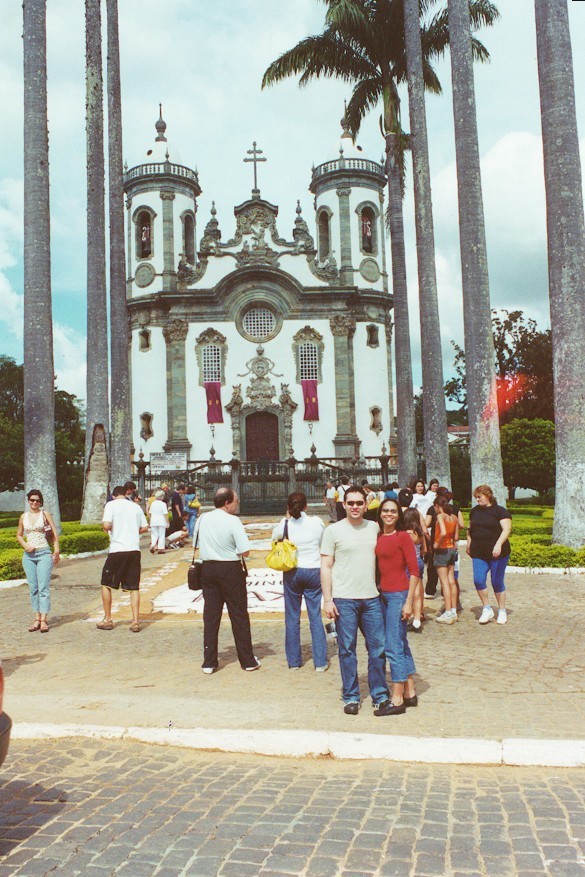
Beautiful and imponent, the Church of San Francisco de Assis is the great reference of the colonial religious architecture of Sao Joao del Rey.
Since 1749, a chapel dedicated to San Francisco de Assis already existed, but, around 1772, this chapel was in such bad bad conditions that the "Order Third Franciscana" started building this new temple. The author of the original architectonical project is Aleijadinho, the most famous baroc artist in Brazil by that time. The church was finally concluded in 1804. |
|
|
|
|
|
see our visit to Congonhas |
|
|
|
|
Sao Francisco de Assis Church - Sao Joao Del Rey |
|