
"I have thought about the land while traveling through it
and observing its precarious status quo: beautiful,
 yet on the verge of disaster…"
——————————————————————————————
Ansel Adams, environmentalist, author, technical,
 innovator, storyteller, classical Pianist, teacher,
and photographer extraordinaire
The greenhouse effect, ozone depletion, air pollution, hazardous waste, acid rain, vanishing forest and wildlife, groundwater pollution, garbage, the list goes on… Instead of sitting and feeling helpless about the situation, we might as well do something about the problem. Collectively, our efforts will make a difference.
Few of us can do anything to keep million-barrel oil tankers on course through pristine waters. All of us can do something, everyday, to ensure that fewer such tankers are needed, by using energy more intelligently. None of us can close the hole in the ozone layer above Antarctica. All of us can help prevent its spread to populated areas by reducing our use of chlorofluorocarbons (CFCs). As much as we are the roots of the problem, we are also the genesis to its solution.
1. STOP JUNK MAIL
If you saved up all the unwanted paper you’ll receive in the mail this year, you’d have equivalent of 1 ½ trees. You must write or call each company individually to get you off their mailing list and not to allow your name from being sold to the large mailing list companies. Recycle the junk mail you already get. If it’s printed on newsprint, toss it in with the newspapers. If it’s quality paper, make a separate pile for it—many recycling centers accept both white and colored paper. Envelopes are recyclable too—as long as they don’t have plastic windows in them.
2. SNIP SIX-PACK RINGS
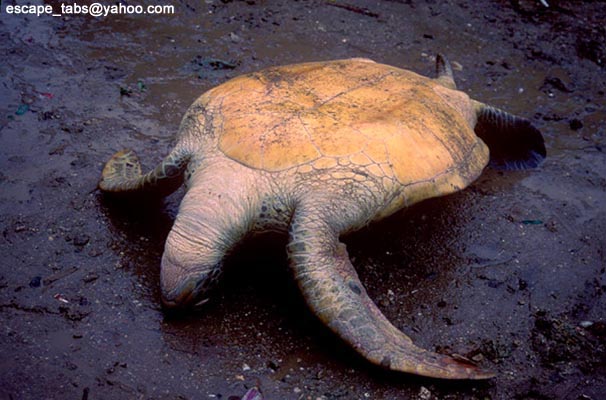
Plastic six-pack holders—the rings used for canned beer, softdrinks, oil, etc.—have become an ocean hazard to birds and other marine life. Six-packs holders are virtually invisible underwater; so marine animals can’t avoid them. Birds catching fish plunge into the water and ends up with the ring stuck around its bill. Young seals get the rings caught around their necks. Before you toss six-pack holders into the garbage, snip each circle with scissors. When you’re on the beach, pick up any six-pack rings you find and take them with you. Snip (or snap) them before you throw them away.
3. USE CLEAN DETERGENT
Over half of the phosphates in our lakes and streams come from detergents. The result: lakes and streams can die. Use a low-phosphate or phosphate-free detergent. Liquid detergents are generally phosphate-free.
4. KITCHEN HABITS
Use reusable containers to store food in your refrigerator instead of habitually wrapping food in aluminum foil or plastic cling wrap. Keep rags in the kitchen to wipe up spills instead of using paper towels every time. Then wash and reuse them. Use biodegradable wax paper to wrap sandwiches instead of foil or plastic.
5. TIRES
Tires have a bigger impact on the environment than you might think. By maintaining them properly, you help conserve the energy and resources that would go into making new ones, prevent pollution generated by tire production, save gasoline, and reduce the problems created when we throw them away. They’re bulky, don’t decompose, and provide places for mosquitoes to breed. Make sure your tires are properly inflated, balanced, and rotated. Buy products made from recycled tires such as trash bins, chairs, and some creative hikers use it as soles for sandals.
6. SAVE WITH YOUR APPLIANCES
Microwave ovens use only 1/3 to ½ as much energy as conventional ovens.
Don’t switch your air conditioner to a colder setting when you to turn it on. It won’t cool the room faster and will waste energy. Clean or replace filters once a month.
Recycle the water used in washing machines for cleaning outdoor floor, cars, and some use it for flushing the toilet.
Keep the door gasket of refrigerators and freezers clean to make sure the seal isn’t being broken by dried on food.