Within a culture, birth control can be either available to the public at large, or may be next to impossible to find. Methods such as birth control pills and condoms are becoming more and more readily available in the third world countries which deem population control necessary.
In 1971, Thailand adopted a policy to reduce population growth. When the program began, the countries population was growing at a rate of 3.2% a year, and the average Thai family had 6.4 children per year. By 1986, the countries rate had been cut in half at 1.6%, and by 2002 the rate had fallen to 0.8%.
Many factors brought this amazing change about, but a big one was the creativity of the government supported family planning group. The Population and Community Development Association (PCDA) workers handed out condoms at festivals, movie theatres, and even at traffic jams, they developed ads and witty songs about contraceptive use. Between 1971 and 2002, the percentage of married women using modern birth control rose from 15% to 70%- higher than the 58% usage in developed countries and the 54% usage in developing countries.
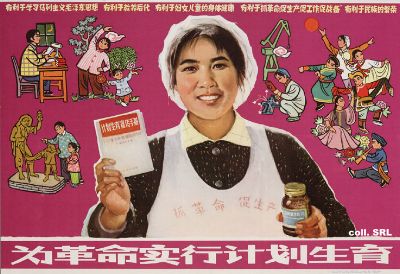
Asian advertisement promoting contraceptive use
This sort of situation is a prime example in demonstrating what a difference availability of birth control can make. To see such a dramatic drop in birth rate in such a short period of time proves the need for available contraceptives world wide.
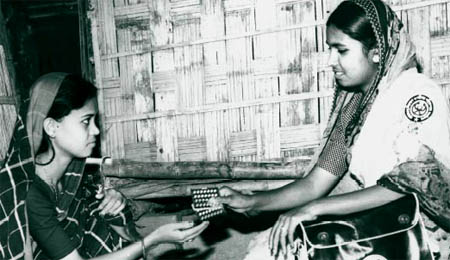
Distribution campaigns in Thrid World Countries such as India can make drastic changes to population dynamics, allowing for widespread availability of conraceptives.