Equality and Education in Third World Countries
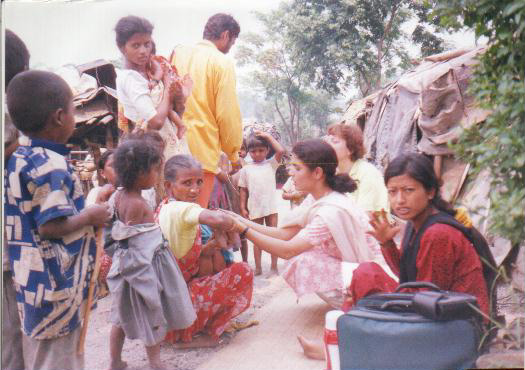
Cost of Raising and Educating Children
In most developing nations, education in general is very low due to cost. This leads to the poverty of these countries. Poverty leads inability to provide for larger families, thus situations such as famine and lack of medical care occur. These problems reflect the inability of the countries to provide for the people. This all reflects problems with large populations which are unable to prosper. This vicious ongoing cycle brings up the point that the more people that are brought into the population, the lower the quality of life becomes.
Availability of Private and Public Pensions
Pensions eliminate parents' needs to have many children to help support them in their old age. In many cultures the need for children stems from inability to support ones self in the later years of life. When children grow older they gain jobs and have farm and are able to support there parents which once supported them. The problem with this notion is that in many of these impoverished countries the many children which the parents may have may not be able to gain any better incomes than that of their parents. This leaves entire families without food, shelter, or means for health care.
A case study done in India brings across this point very well. Indian women today still have an average of 3.2 children to do work and care for them in old age. Because of the strong cultural preference for male children, some couples keep having children until they produce one or more boys. These factors explain why even though 90% of Indian couples know of at least one modern birth control method, only 43% actually use one.
Education and Employment of Women
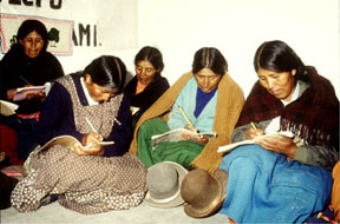
Studies show that women that tend to have fewer and healthier children and live longer when they have access to education and to paying jobs outside the home and live in societies in which their rights are not suppressed. In developing countries, women with no education generally have two or more children than women with a secondary school education.
According to UNESCO, women make up 70% of the world's poor and two-thirds of the more than 876 million adults who can neither read nor write. In developing countries, the adult literacy rate for men is almost twice as high as it is for women.
When women have equal opportunities and equal choice as men, they will have more control over their own bodies. This can drastically bring down rates of childbirth as well as allow them to provide much better for the children they do have.
Social and Cultural Contributors