 |
|
|
|
|
|
|
|
|
|
|
|
|
|
|
|
|
|
|
|
|
|
|
|
|
|
|
|
|
|
|
|
|
|
|
|
|
|
|
|
|
|
|
|
|
|
|
|
|
|
|
|
|
|
|
|
CANADIAN ARMY REGIMENTAL TRNG EME INSTRUCTIONS PO 403W |
|
 |
|
|
|
|
 |
|
|
|
|
EME BRANCH REGIMENTAL CATECHISM |
|
|
|
|
|
 |
|
|
|
|
|
|
|
|
|
DEFINITIONS |
|
|
|
|
|
 |
|
|
|
|
|
1. Reg i�men tal (-m n tl) ADJECTIVE of Regiment : To put into systematic order; systematize |
|
|
|
|
|
|
|
2. Catechism : From kat khizein : To teach by word of mouth. |
|
|
|
|
|
|
|
|
|
BACKGROUND. |
|
|
 |
|
|
|
|
|
The aim of the Electrical Mechanical Engineering Branch: is to provide the engineering and maintenance support to permit other arms and services to accomplish their mission. |
|
|
|
|
|
|
|
|
|
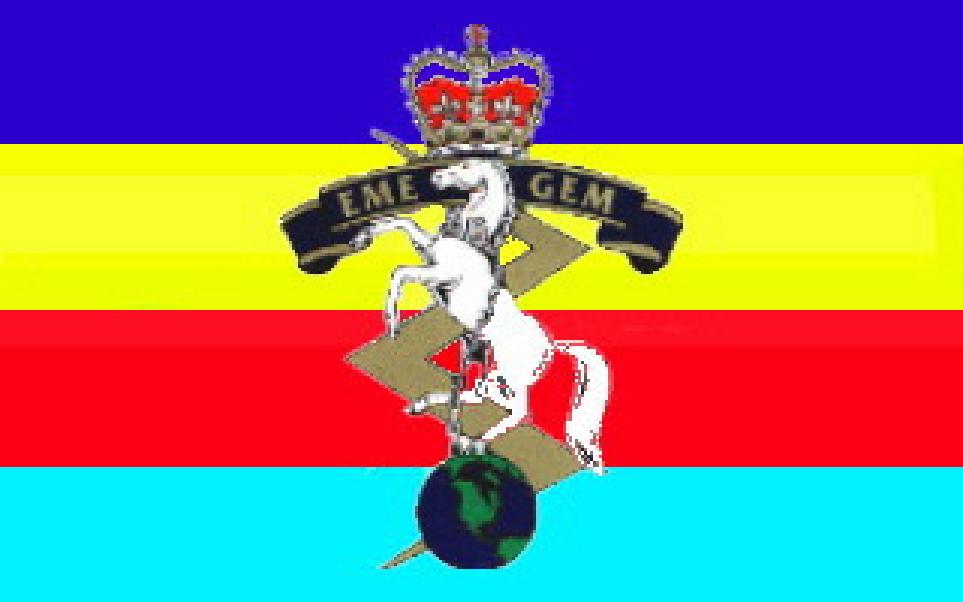
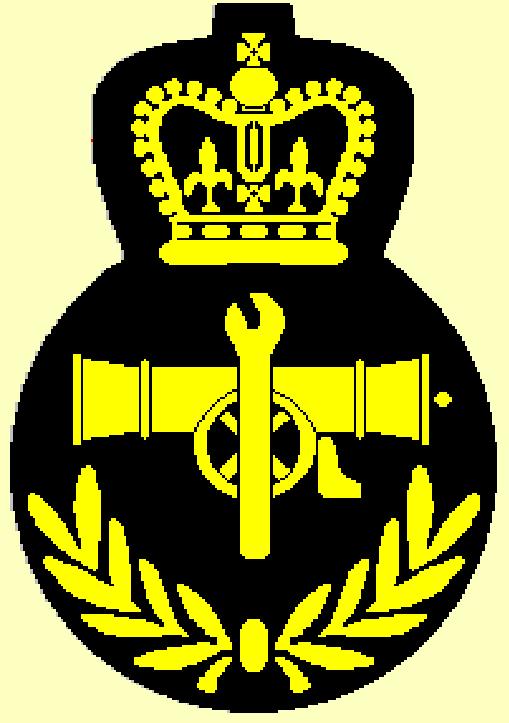
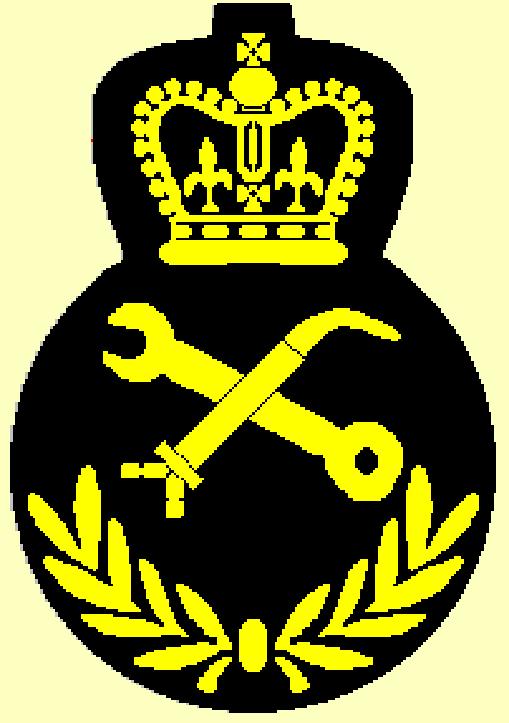
3. The EME Branch consists of that personnel grouping of the Canadian Forces authorized to include officers of the EME MOC 43 classification and non-commissioned members of the Vehicle Technician MOC 411, Weapons Technician (Land) MOC 421, Fire Control Systems Technician (Land) MOC 434, and Materials Tech MOC 441 occupations. While the Branch is relatively young in military circles, it carries on the traditions of centuries. |
|
|
|
|
|
 |
|
|
|
|
|
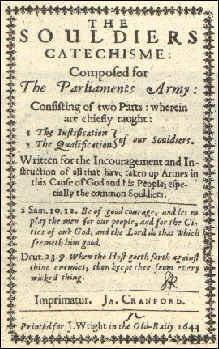
4. In the closing stages of 1644, Oliver Cromwell realized that the existing Parliamentary armies were less than ideal. The armies were to be combined and reorganized into the New Model Army, England's first standing professional army. The personal regiments would be split up and pay standardized. Food and provisions of clothing would be guaranteed to all in order to encourage soldiers to agree to the changes. The Soldier's Catechism was drawn up, which laid down rules and regulations, as well as correct drill procedures, in order that the soldiers would know what was expected of them. |
|
|
|
|
|
|
|
|
|
 |
|
|
|
|
|
 |
|
|
|
|
|
|
|
5. The modern Commonwealth Regimental System was born in 1660 with the Stuart restoration to the throne. In the subsequent three and a half centuries this armysystem evolved from a very small insular establishment to a far-flung imperial force, and back again to something similar to its original role. Loyalty to a regiment or corps is a peculiar characteristic of the Army: each regiment is a family zealously guarding its heritage and traditions, and during the heyday of this system (1881-1956) personnel were not normally transferred out of the family against their will. |
|
|
|
|
|
 |
|
|
|
|
 |
|
|
|
|
|
|
|
|
|
|
|
|
 |
|
|
|
|
|
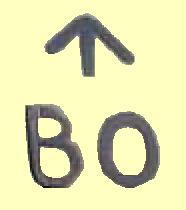
6. This system necessitated a Board of Ordnance (B O), which was created in 1683 to oversea the equipment now owned by the government, including those stores overseas in various colonies. The English Government provided minimal stores and equipment, obliging regiments to replace equipment they could not repair. Thus the practice of having regimental armourers was started. Armourers also served as soldiers. Qualified engineers were later given special commissions in the Royal Artillery as Inspectors of Ordnance Machinery (IOM).Eventually as each colony came under their own responsible government, they too in turn became responsible for their own defence with the expertise falling on the original imperial forces. In 1871 the Canadian Stores Department is formed as a civil department of the fledgling Canadian Government. This department took responsibility over the fortresses, ammunition, stores and buildings from the imperial troops less the dockyard establishments and harbour defences at Halifax in the East and Esquimaltin the west. In 1903, after the Red River Rebellion in Canada's West and the call to arms during the Anglo-Boer War, the canadian army Ordnance Stores Corps is formed. |
|
|
|
|
|
|
|
|
|
7. Technical advances through the age of industrialization and beyond required that more and more specialized tradesmen must be recruited and trained to maintain these engines of war. 300 years after the New Model Army, the Corps of Royal Canadian Electrical and Mechanical Engineers is formed 15 May 1944 during World War Two modeled on the British REME Corps. It comprised of soldiers from the Royal Canadian Ordnance Corps (Engineering), Royal Canadian Army Service Corps and Royal Canadian Engineers. The officers and men of The Corps were considered "Combatant" in the fullest possible sense (GO 127/1944 as amended by GO460/1944) after gaining the same accord as RCOC(E) several years earlier .
By July 1945 over 150 RCEME units are in support of the First Canadian Army. RCEME Corps Officers and Men by the end of the war had earned 6 Military Crosses, 14 Military Medals, 73 Orders of the British Empire, 19 British Empire Medals, a US bronze star, 9 Dutch decorations, 223 Mention in Dispatches and 12 Commander in Chief (C-in-C) Certificates.
By 1962 the RCEME Corps became the 3rd largest Corps in the entire Canadian Army. Retention rate for re-engagement was 90%, not only the highest in the Army but also indicative of one of the most successful technical training organizations in the country. |
|
|
|
|
|
 |
|
|
|
|
|
|
|
8.Unification of the Canadian Forces on 1 Feb 1968 led to disbandment of the RCEME Corps. RCEME Air Trade responsibilities were transferred to Air Command. Land Communications equipment repair was transfered to the Communications and Electronics Branch. The Land Ordnance Engineering (LORE) Branch was formed from RCEME absorbing the RCAF Mobile Support Equipment Tech trade to provide engineering and maintenance services to the Canadian Forces for Army combat and support equipment, as well as for land based support equipment of the Air Force and Navy. By 15 May 1994, the 50th anniversary of RCEME, after several name changes, the Branch is finally renamed the Electrical and Mechanical Engineering Branch but was still considered and administered as a "Purple Trade" Branch. |
|
|
|
|
|
 |
|
|
|
|
|
|
|
 |
|
|
|
|
|
|
|
 |
|
|
|
|
|
|
|
 |
|
|
|
|
|
9. The new millennium has seen the EME Branch return to its rightful place as a Combat Service Support Branch. The Managing Authority (MA) over the Branch transferred back to the Canadian Army only recently. The EME School remains under the authority of Canadian Forces Support Training Group (CFSTG). |
|
|
|
|
|
|
|
10. This website will outline the role of EME Branch as it relates to the Canadian Army Regimental System, and will highlight some of the significant events and artefacts that give the EME Branch it's unique identity in the Canadian Army Order of Battle (ORBAT). The views expressed in this Unofficial Website are those of the Webmaster and, while well documented, may not necessarily reflect currently those of the Department of National Defence.
Please enjoy!
Sgt Tony Beresford
EME Branch Heritage Administrator
Home Station, CFSEME
Canadian Forces Base Borden,
Ontario, Canada |
|
|
|
|
|
|
|
|
|
|
|
|
|
|
|
|
|