
Tobacco is a filthy weed
That from the devil does proceed
It drains your purse and burns your clothes
And makes a chimney of your nose
Paint thinner solvent benzene, causes leukemia
Aromatic hydrocarbons, causes lung cancer
Other gases which irritate the eyes and cause cataracts
A substance keeping wounds, injuries and broken bones from healing
Radioactive compounds. In 1 year enough radiation for 300 chest x-rays
Cadmium. This metal stays in the lungs and affects the immune system
Ammonia, butane, hydrogen sulfide, acetylene, toluene
Arsenic, cyanide, nitrates
Hydrogen cyanide, used in the gas chamber
Carbon monoxide (CO)
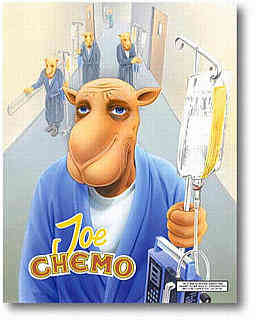
Notice smokers look older than they are? Tobacco contains chemicals used in herbicides, pesticides and insecticides. Sticky brown tobacco tars containing over 4,000 chemicals collect in lungs to form cancerous growths. Tobacco blocks absorption of Vitamin C and other nutrients. Tobacco causes peripheral arterial collapse like standing in a sea of broken glass. Smoking speeds buildup of fatty deposits in arteries. Nicotine, as addictive as heroin or cocaine, changes brain cells so you need it to feel normal. Nicotine works on the brain 7 seconds after inhaled. Nicotine's only commercial use is as an insecticide. 60 mg is fatal. One drop kills in minutes. Tobacco tolerance increases, requiring increased use and becoming harder to withdraw from. 2 packs a day equal 3 - 4 hours spent smoking 1 kg of tar. Smoking relieves withdrawal symptoms. The urge to smoke begins 45 minutes after smoking a cigarette. Withdrawal symptoms include unusually strong craving. Smoking increases osteoporosis risk by reducing blood supplies to bones, slowing production of bone-forming cells. Fractures take longer to heal in smokers. Smokers have more postsurgery complications than nonsmokers.
Smokers are irritable, nervous and unable to concentrate, tired and out of breath faster because carbon monoxide (CO) interferes with the blood's ability to deliver oxygen from lungs to body. CO combines with oxygen-carrying hemoglobin in red blood cells, keeping them from picking up oxygen from your lungs. Tobacco decreases muscle tone. Tobacco users have less oxygen in their blood. Smoking decreases lung volume and causes fatigue and shortness of breath. Smokers can't filter out airborne germs. Bronchitis affects smokers more than nonsmokers. 4 times more smokers than nonsmokers get life-threatening blood infections or meningitis from a type of bacteria usually causing pneumonia. Smoking causes terrible results long in the future. Smokers have much higher risk of immediate infection. The more cigarettes smoked the higher risk. Cigarette smoke makes it harder for the lungs to expel foreign material and easier for bacteria to stick. Imported cigarettes, sweetly flavored, carry even more tars.
Pregnant smokers increase risk of premature births. 5% of births are preterm but contribute to the vast majority of neonatal mortality and morbidity. Smoking is the most important preventable risk factor for preterm birth. Breast milk carries nicotine and smells and tastes like cigarettes, leading infants to like tobacco's taste and make them more likely to smoke. 5 new cancers and 4 other serious diseases are added to the list of tobacco-caused health problems. Smoking conclusively links for the first time to acute myeloid leukemia and cancers of the cervix, kidney, pancreas and stomach. Smoking also causes pneumonia, abdominal aortic aneurysm, cataracts and periodontitis. Cigarette smoke toxins go everywhere blood flows. Smoking harms nearly every organ of the body, damaging a smoker's overall health even when it doesn't cause a specific illness. Smoking has linked to lung cancer and other respiratory diseases since 1964 when the first Surgeon General's report on smoking was released. Since then the list of tobacco-related illnesses expands to include mouth, throat, bladder, and other cancers as well as heart disease, the top killer of American men and women. Smoking kills 440,000 Americans each year and drains $157 billion in medical costs and lost productivity, making the fight against tobacco more important. We need to cut smoking worldwide.
If we're serious about improving health and preventing disease we must continue to drive down tobacco use and prevent kids from taking up this dangerous habit. Quitting smoking has immediate health benefits. Within minutes and hours after smokers inhale that last cigarette their bodies begin a series of changes that continue for years. Circulation improves and heart rate drops, reducing the risk of heart attack. Quitting can also reduce a smoker's chance of developing cancer. Trading in regular cigarettes for "light" or "low tar" brands has no health benefits. Smokers choosing these seemingly less harmful brands inhale as many harmful chemicals as smokers of regular cigarettes because they inhale deeper and hold the smoke in their lungs longer.
Nonsmokers in a room with smokers, their arteries start to harden from 30 minutes of 2nd hand smoke. Tobacco companies still deny it and frame people. 30 minutes of secondhand smoke impairs normal blood flow to the heart. 15 nonsmokers and 15 smokers sat 30 minutes in a room with smokers. Nonsmokers showed reduced ability of heart arteries to dilate, a precursor to hardening of arteries. Passive smoking is a risk factor for heart disease and related deaths in nonsmokers. If exposure continues arteries harden irreversibly. Blood pressure tests and an imaging technique called echocardiography measured effects on heart arteries' ability to dilate before and after exposure to secondhand smoke. Smoke impairs function of the endothelium, a lining of cells in arteries that helps regulate dilation. Coronary artery disease may begin when the endothelium becomes damaged, leaving arteries prone to blockage or narrowing. Do people walking into a smoky restaurant want to clobber their hearts' arteries' ability to get blood to the heart, even for a little while? Reynolds Tobacco still says no scientific evidence establishes secondhand smoke as a risk factor for lung cancer, heart disease or any other disease in nonsmokers.
Quit smoking Jan 1 NOW and here's how your health improves:
Jan 2 Chance of heart attack decreases. Oxygen and CO blood levels return to normal.
Jan 3 - Dec 31 Lung function increases up to 30%. Excess heart disease risk is cut in half.
Jan 1 in 4 years - Lung, throat and mouth cancer risk is cut in half.
Jan 1 in 10 years - Precancerous cells are replaced. Lung cancer death rate becomes like that of nonsmokers.
Jan 1 in 15 years - Heart disease risk resembles that of nonsmokers.
Inhaled Smoke
Smokers inhale a dangerous cocktail of 50 carcinogens attaching themselves to red blood cells to circulate freely through the body, especially to the heart, lungs, and reproductive system. A pregnant mother who smokes passes these chemicals to her baby. Smoking causes 420,00 U S deaths a year.
Carbon Monoxide
Cigarette smoke contains the same poisonous gas that comes out of car tailpipes. It attaches itself to red blood cells delivering oxygen to the body, replacing needed oxygen and increasing risk of heart attack or stroke.
Tar
Smoking over 2 packs of cigarettes a day inhales over a pound of sticky tar a year, a combination of thousands of chemicals. It collects in the lungs' deepest part, coating them with sludge and damaging the natural cleansing mechanism. Tar is smoking's main cancer source.
Nicotine
A drug as addictive as heroin, nicotine deep in the bloodstream on the back of tar particles. Within 20 seconds of taking the first drag, a smoker gets a blast of nicotine in his brain. Nicotine increases blood pressure and narrows blood vessels, making it harder for blood to flow.
Secondhand Smoke
Secondhand smokes comes from the tip of a burning cigarette and through the mouth of an exhaling smoker. These fumes contain thousands of chemicals, including 43 different carcinogens. 90% of Americans regularly inhale it. 50,000 people die from it a year. Spending an hour in a car with a smoker equals smoking 3 cigarettes yourself.
Tobacco
Processed tobacco leaves contain over 700 pesticides and preservatives, many of which the government bans from food. Some of these chemicals are even banned from landfills.
Filters
They're supposed to reduce the level of tar a smoker inhales. Tiny fibers break off and are inhaled. Cigarette butts are the biggest trash item found on beaches.
Fire
Cigarettes are the leading cause of fire fatalities, 25% of deaths caused by residential fire, mostly at night when the smoker is sleepy or on alcohol or drugs and the cigarette ignites nearby flammable items.
ANATOMY OF A CIGARETTE
Inhaled Smoke
Smokers inhale a dangerous cocktail of 50 carcinogens attaching themselves to red blood cells to circulate freely through the body, especially to the heart, lungs, and reproductive system. A pregnant mother who smokes passes these chemicals to her baby. Smoking causes 420,00 U S deaths a year.
Carbon Monoxide
Cigarette smoke contains the same poisonous gas that comes out of car tailpipes. It attaches itself to red blood cells delivering oxygen to the body, replacing needed oxygen and increasing risk of heart attack or stroke.
Tar
Smoking over 2 packs of cigarettes a day inhales over a pound of sticky tar a year, a combination of thousands of chemicals. It collects in the lungs' deepest part, coating them with sludge and damaging the natural cleansing mechanism. Tar is smoking's main cancer source.
Nicotine
A drug as addictive as heroin, nicotine deep in the bloodstream on the back of tar particles. Within 20 seconds of taking the first drag, a smoker gets a blast of nicotine in his brain. Nicotine increases blood pressure and narrows blood vessels, making it harder for blood to flow.
Secondhand Smoke
Secondhand smokes comes from the tip of a burning cigarette and through the mouth of an exhaling smoker. These fumes contain thousands of chemicals, including 43 different carcinogens. 90% of Americans regularly inhale it. 50,000 people die from it a year. Spending an hour in a car with a smoker equals smoking 3 cigarettes yourself.
Tobacco
Processed tobacco leaves contain over 700 pesticides and preservatives, many of which the government bans from food. Some of these chemicals are even banned from landfills.
Filters
Supposed to reduce the level of tar inhaled. Tiny fibers break off and are inhaled. Cigarette butts are the biggest trash item found on beaches.
Fire
Cigarettes are the leading cause of fire fatalities, 25% of deaths caused by residential fire, mostly at night when the smoker is sleepy or on alcohol or drugs and the cigarette ignites nearby flammable items.
Surgeon general Richard Carmona expands list of diseases linked to smoking. The list of diseases linked to smoking just got longer. His first official assessment of smoking concluded that smoking causes diseases not previously attributed to smoking. They include: acute myeloid leukemia and cancers of the cervix, kidney, pancreas and stomach; abdominal aortic aneurysm, cataracts, periodontitis and pneumonia. The report said current evidence is not conclusive enough to say smoking causes colorectal cancer, liver cancer, prostate cancer or erectile disfunction. Evidence suggests smoking may not cause breast cancer in women overall but that some women may increase their risk of getting breast cancer by smoking, depending on genetics. Diseases previously linked to smoking include cancer of the bladder, esophagus, larynx, lung, mouth and throat. Smoking also is linked to chronic lung disease, chronic heart and cardiovascular disease as well as reproductive problems.
440,000 Americans die of smoking-related diseases each year. Over 12 million people died from smoking-related diseases in the 40 years since the first surgeon general's report on smoking and health was released in 1964. That first report linked smoking to lung and larynx cancer and chronic bronchitis. Subsequent reports expand the list of diseases linked to smoking. Treating smoking-related diseases costs the nation $75 billion annually. Loss of productivity from smoking is $82 billion annually. Smokers die 13 - 14 years before nonsmokers. The number of people who smoke has dropped from about 42% in 1965 to about 22% in 2002, the last year for which such data is available, according to the surgeon general.