PREVIOUS
Such literature related art forms include hymns to the gods, mythological and magical texts, mortuary texts. Others were biographical and historical texts, scientific premises, including mathematical and medical texts, wisdom texts having to do with instructive literature, and stories.
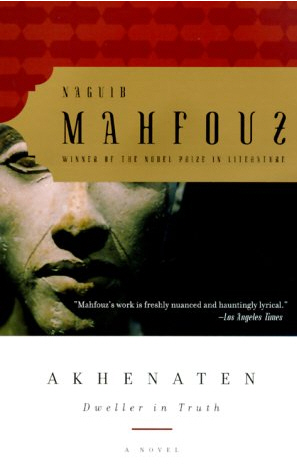
The first modern Egyptian novel Zaynab by Muhammad Husayn Haykal was published in 1913 in the Egyptian vernacular. Egyptian novelist Naguib Mahfouz was the first Arabic-language writer to win the Nobel Prize in Literature. Many Egyptian books and films are available throughout the Middle East. Other prominent Egyptian writers include Nawal El Saadawi, well known for her feminist works and activism, and Alifa Rifaat who also writes about women and tradition.
Vernacular poetry is perhaps the most popular literary genre amongst Egyptians. Some of these writers include Bayram al-Tunisi, Ahmed Fuad Nigm (Fagumi) and Abdel Rahman el-Abnudi.