3.1
Network Basics
3.1.4 Classification of Network
§Networks
usually are classified as a:
§Local
Area Network (LAN).
§Metropolitan
Area Network (MAN).
§Wide
Area Network (WAN).
§
§The main differentiation among
these classifications is their area
of coverage (distinguish by the geographical
area each network serves).
Local Area Network (LAN)
A local area network (LAN) is a network that connects
computers and devices in
a limited geographical area
Main characteristics of LAN:
§Areas
of coverage: LANs located within the same building
(closely positioned group of buildings) such as a home, school computer
laboratory, office building.
§Distance:
LANs span (cover) distance less
than a mile.
§Ownership:
LANs are owned and operated by individual
organizations.
§Advantages of LAN
§Hardware and software can be shared.
§All the users work can be stored in a central place.
§Data can be shared because database files stored in the server are
available to users around the network.
§Disadvantages of LAN
§Printing can be slow, long print queues may develop.
§A virus can spread more easily.
§As data is shared there is a greater need for security.
Types of LAN:
Personal Area Network (PAN)
§Personal
Area Network (PAN) is a type of wireless network that
works within a very small area—your immediate surroundings.
Home Area Network (HAN)
§Home
Area Network (HAN) is a type of network for homes
allowing different computers to share resources, including a common Internet
connection.
Metropolitan Area Network (MAN)
§A metropolitan area network (MAN) is a high-speed network that connects local area networks
(LANs) in a metropolitan area.
Main characteristics of MAN:
§Areas
of coverage: MANs connect various locations such as
campuses, offices, and government, that are frequently used as links between
buildings.
§Distance:
MANs span (cover) distance up
to 100 miles (161 km).
§Ownership:
MANs are owned by a group of users who
jointly own and operate the network.
Type of MAN:
Campus Area Network (CAN)
§ a type of a computer network
interconnecting a few local area networks (LANs) within a university campus or
corporate campus.
§Campus area network may link a
variety of campus buildings including departments, the university library and
student halls of residence.
Wide Area Network (WAN)
§A wide area network (WAN) is a network that covers a large geographical area.
Main characteristics of WAN:
§Areas
of coverage: WANs located within a countryside and
worldwide networks, (such as a city, country, or the world)
using a communications channel that combines many types of media such as
telephone lines, cables and radio waves. The Internet is the world’s largest WAN.
§Distance:
WANs span (cover) distance greater
than 100 miles.
§Ownership:
WANs have no ownership.
Types of WAN:
Enterprise Private Network (EPN)
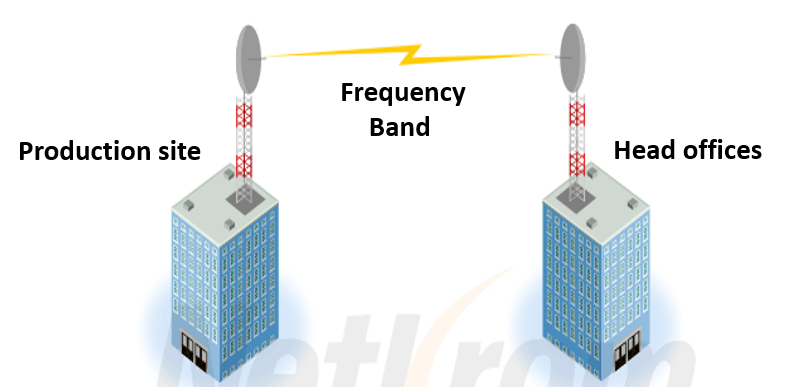
§is a type of network built by an
enterprise to interconnect various company sites, e.g., production sites, head
offices, remote offices, shops, in order to share computer resources.
.
Types of WAN:
Virtual Private Network (VPN)
§ is a type of private network built
over public infrastructure. By using a number of security mechanisms, including
encryption, a VPN allows users to securely access a network from different
locations using a public telecommunications network, most frequently the
Internet.

Advantages & Disadvantages of
WANs
§Advantages:
§These are similar to those of LAN's except the scale of sharing etc.
becomes far greater and can be world-wide.
§Disadvantages:
§Again these are similar to those of LAN's except that issues such as
security become even more important as potential hackers could break into a
computer system from anywhere in the world rather than having to physically be
in a building.
§Encryption of secure data such as financial transactions is necessary
because it is even easier to capture data.
Next:)