Dragons: The Mythical Beasts of Human Imagination.

Embark on a mesmerizing journey through the mystical realms of dragon mythology. Our website is dedicated to exploring the rich tapestry of dragon legends from different cultures, focusing on the awe-inspiring tales of European dragons, the wyverns, the legendary Hydra, and the revered Chinese dragons.

Dragon Lore Across Cultures: A Journey into Myth and Legend.

Dragons have captivated human imagination for millennia, embodying both the fears and aspirations of the cultures that birthed them. From the fire-breathing beasts of medieval Europe to the benevolent sky-dwellers of ancient China, these majestic creatures symbolize a diverse range of concepts such as chaos, wisdom, greed, and prosperity.
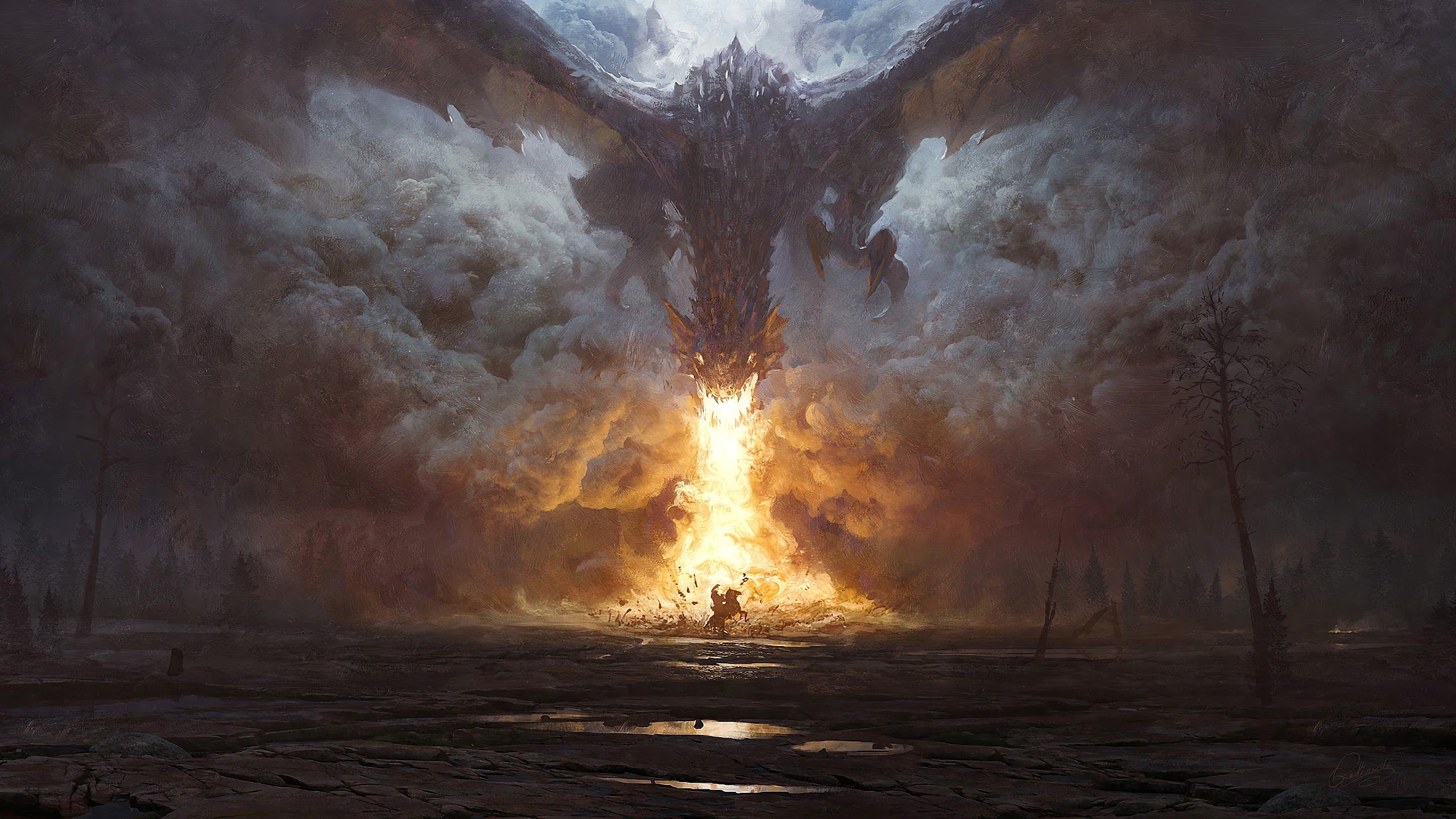
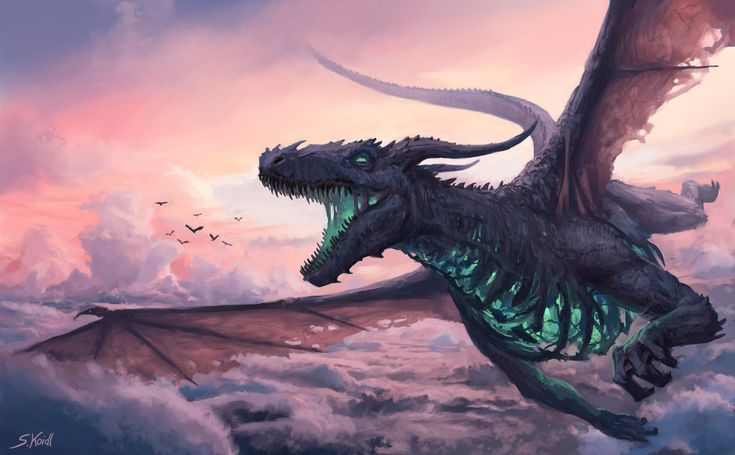
Different types of dragons

There are various types of dragons, each with unique characteristics and cultural significance. Chinese dragons are revered as symbols of power and good fortune, often depicted as long, serpentine creatures with the ability to control water and weather. In contrast, the Hydra from Greek mythology is a multi-headed dragon-like creature that regenerates its heads when severed, representing an ever-growing challenge. European dragons are typically large, winged, fire-breathing monsters, known for hoarding treasure and terrorizing villages.

Chinese Dragon

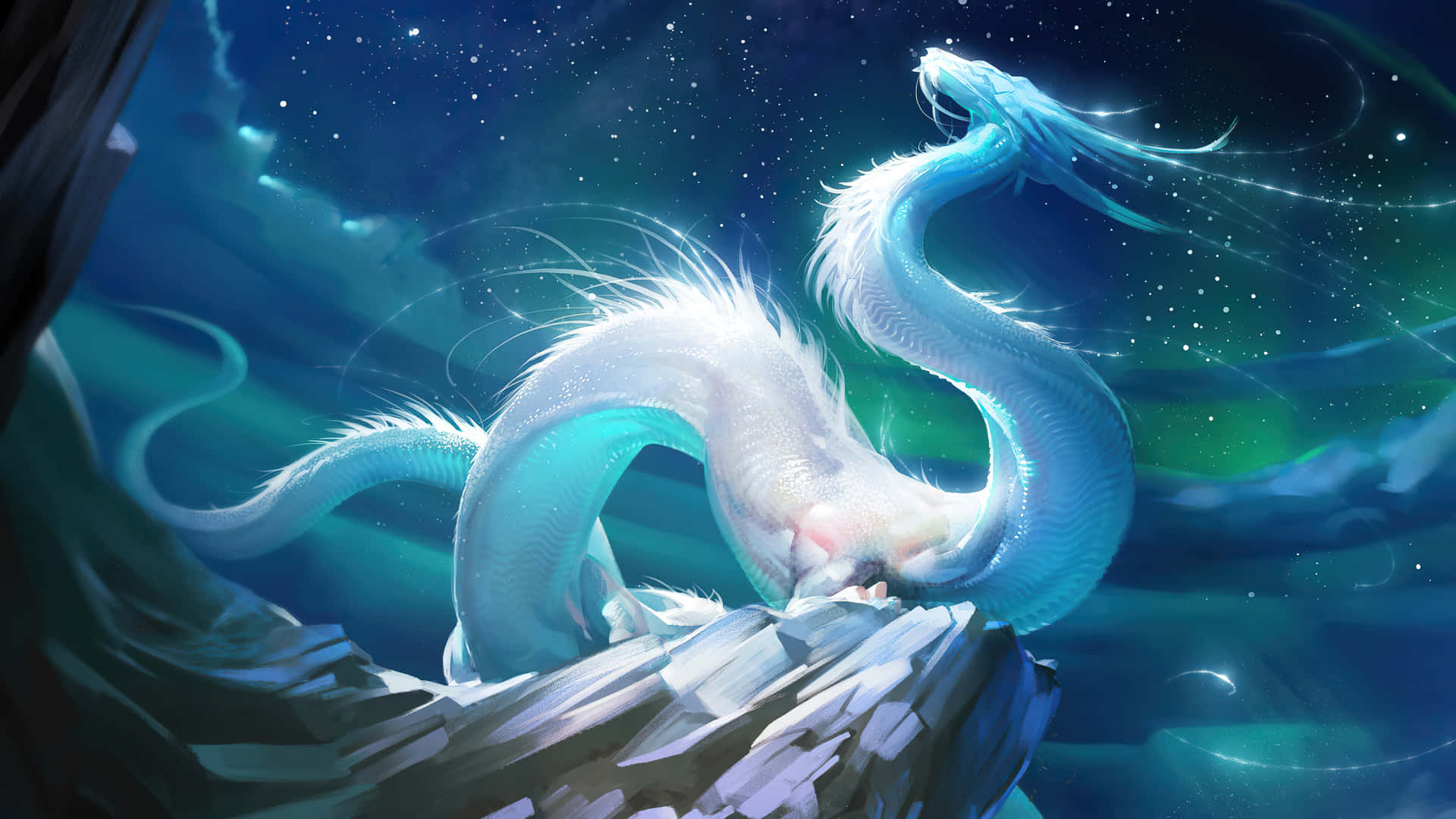
The Chinese dragon is a symbol of power, strength, and good fortune in Chinese culture. Often depicted as a long, serpentine creature with antler-like horns and a lion-like face, the Chinese dragon is a benevolent and wise figure, unlike the fearsome European dragon. It is closely associated with water, particularly rivers, lakes, and seas, and is believed to have the ability to control rainfall and floods. Traditionally, the Chinese dragon represents the emperor's authority, and it is often seen in festivals, such as the Chinese New Year, where dragon dances are performed to bring luck and drive away evil spirits.

Hydra

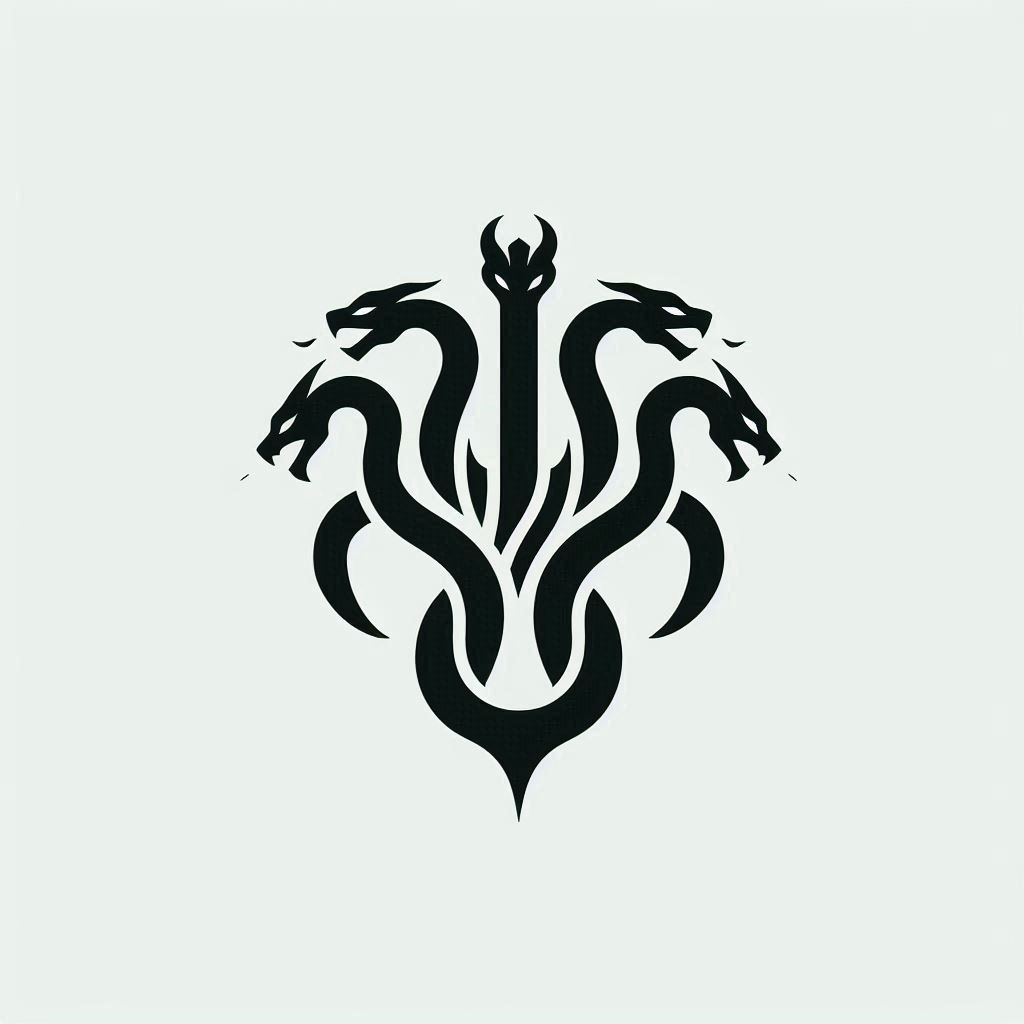
The Hydra is a mythical creature often depicted with multiple serpent-like heads and a powerful, sinuous body. Its design emphasizes strength and ferocity, with each head bearing sharp teeth and fierce expressions. The Hydra's body is muscular, coiling in dynamic shapes that connect its heads seamlessly. A spiked tail and sharp claws add to its intimidating presence. Often seen as a symbol of resilience and regeneration, the Hydra embodies both chaos and elegance, making it an excellent representation for brands or icons that wish to convey power, adaptability, and mystique.

European Dragon

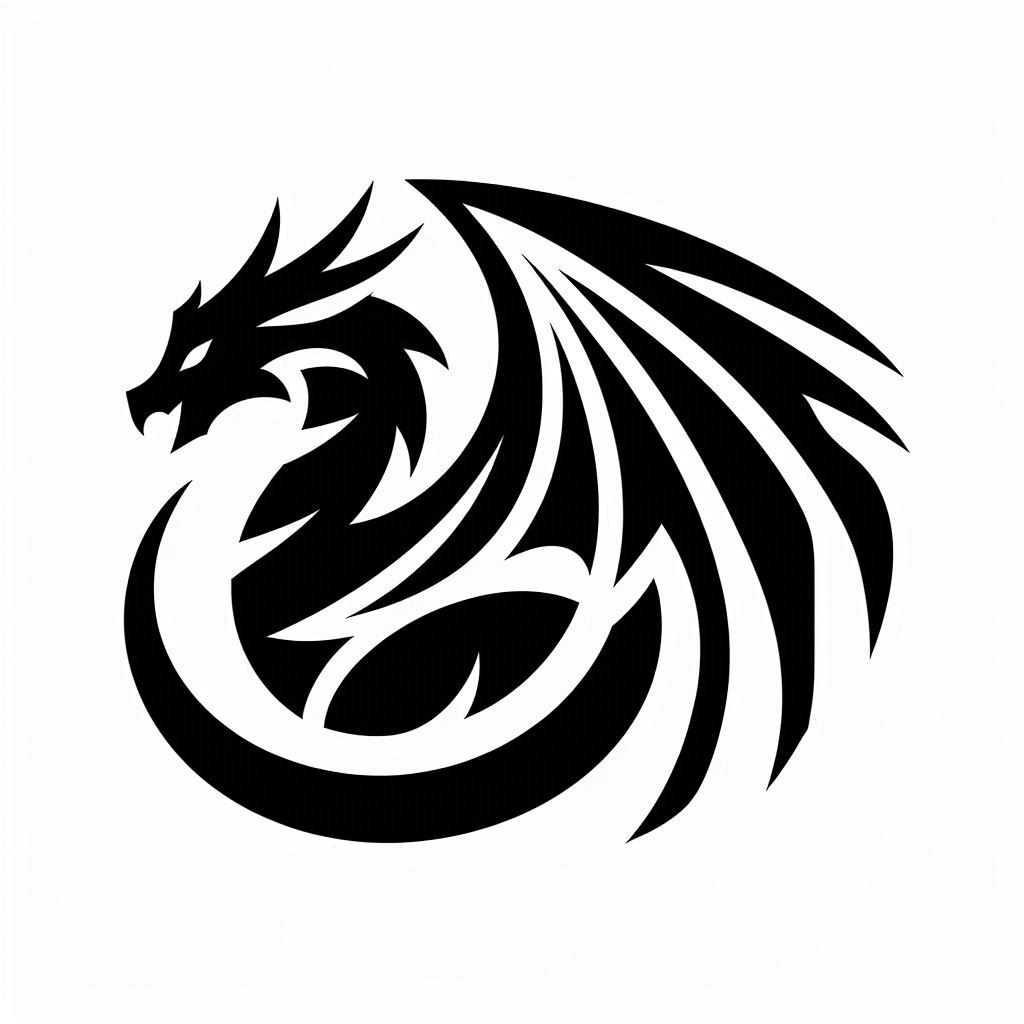
The European dragon, in contrast, is generally portrayed as a fearsome, fire-breathing monster, often with large wings and scales. These creatures are commonly found in Western folklore and mythology, where they are often depicted as threats to humanity. The European dragon is a symbol of chaos and destruction, usually guarding treasures or abducting princesses. The most famous European dragons appear in tales like the story of Saint George and the Dragon, where the knight slays the beast to protect his people. Unlike the Chinese dragon, which is associated with positive qualities, the European dragon often embodies evil or danger.