
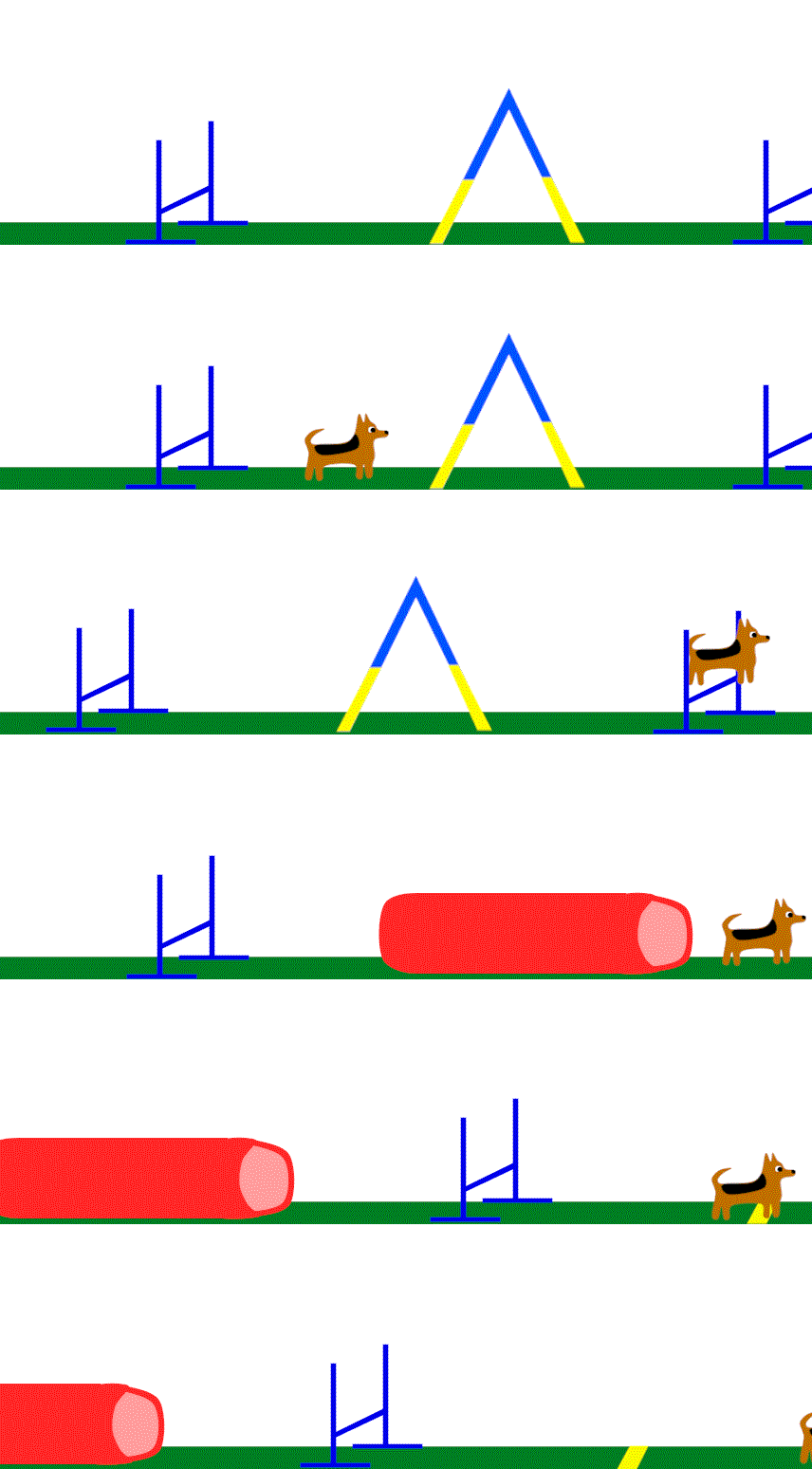
| Agility is one of the newer dog sports that was created in England in 1977-78 by John Varley and Peter Meanwell as an intermission event between the obedience chapionships and conformation group show at Crufts. Its creators took hurdles from the equestrian events and obstacles from working dog trials. They raced the dogs through a course of these hurdles. The crowd greatly enjoyed the event and it soon became a popular event. The first agility trial held under The Kennel Club's rules was in 1980. Agility still brings the thrill and excitment to millions each year. By doing agility with your dog you allow it to have fun with its training. This sport can also strengthen the bond between owner and dog. Besides this, it is a great way to exercise! Many dogs will find this challenging and strive to become better. Some dogs get very competitive and will fly through a course after watching other dogs. Your dog can learn to listen to you better from doing agility because they have to pay attention to YOU! | How to Start Training To start agility training, most people think that you need to own all the equipment. If you don't have a large yard or enough money to buy or make your equipment, don't worry! There are many training centers and clubs around the world that give agility training. You can make some equipment with normal household items, if you need extra practice. 1. Before starting any training, check your dog's health. Any age dog can be trained for agility, but older dogs (with arthritus) and young puppies can have trouble with some obstacles. These dogs shouldn't jump higher than ankle height. 2. Make sure your dog has some obedience training and will listen to you! One of the most important agility commands is here or come. The dog should also know how to sit and/or down. 3. Start your dog out easy. Practice jumps on the lowest height possible. Keep the contact obstacles low. If your dog is scared of heights or doesn't like the feel of the plank, place one plank on the ground where you dog feels safe and eventually raise the height. Obstacles such as the jumps and tunnels are good starters. 4. Obstacles such as the teeter toter/see saw and the weave poles should be taught LAST because of their difficulty level. Some agility champions even have trouble with these! |