| THE HISTORY OF HANDBELLS |
| The names of all persons appearing on this webpage have been changed to protect the innocent. The resemblance of any person presented here to any person, living or dead, is purely coincidental and an act of God (have mercy upon us). |
 |
|
| FAMOUS BELL CONCERTS IN HISTORY (AND HOW THEY HAVE BEEN MISREPRESENTED) |
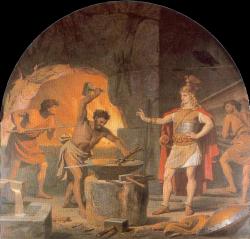
| The Ring of the Nibelungen. The most amazing thing about this handbell choir event was the way the opera composer, Richard Wagner, grossly misinterpreted the original Nordic text. According to the oldest authenticated version of the great myth, the dwarf Alberich stole gold from the bottom of the Rhine and forced the Nibelungen smithies to forge from it a three octave set of handbells. The exhausted Nibelungen were next forced to endure a marathon bell rehearsal known as "The Ring of the Nibelungen." When the disgruntled Nibelungen complained, the music-loving Alberich cursed all of those who hate bell music. It is no wonder that Wagner's operatic cycle of the Ring is said to be "based on Germanic myth!" |
 |
| Ring Around the Rosy. In medieval English castles, royalty often rang bells to call for their servants. It is recorded in rare musical manuscripts of the day that on those holidays when the servants were given a day off, the servants gathered all of the bells and took them to the garden. The servants then practiced madrigals around their favorite flowers, which were typically roses. |
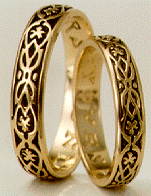
| The Wedding Ring. In the early 18th century, the gentry were favored patrons of bell choirs throughout England. It was not uncommon for a wealthy man and woman who were betrothed to each have their own bell choir! On such ocassions, the bride's and groom's bell choirs would attend the bridal ceremony to perform a Wedding Ring. Upon arrival at the parrish church or cathedral, the ushers would ask each ringer, "Bride or groom?" and would then direct them to the appropriate side of the room. After the exchange of vows, the bell choirs would begin the ring. It became so difficult to schedule a date that was mutually convenient for all ringers to attend, that a symbolic ring became the more practical (albeit less musical) alternative. |
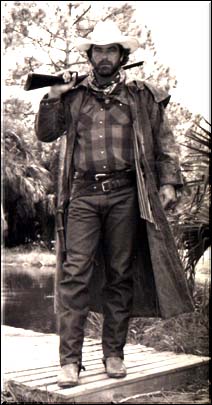
| The Ring of Spies. In the Old West there were numerous bands of outlaws that freely roamed (or in their words "toured") the open prairie, playing guitars around camp fires and other outdoor venues. However, their unprincipled techniques frequently attracted the attention of United States Marshalls who were known to arrest the bands shortly after they began their concert warm-ups. In the 20th century these outlaw groups found musical fulfillment (and concealment) through other means, such as handbell performance. Their modern strategy of adaptation has suceeded and law enforcement forces have been slow to catch on. Many times a Ring of Spies, Ring of Smugglers or even an Organized Crime Ring makes the evening entertainment news! |
 |
 |
| Go to Handbells in the News |