Lets' Unite for them
 |  |  |  |  |
DOWNLOAD REPORT
|
|
|
|
|
|
|
|
|
|
|
|
|||||
Lets' Unite for them |
||||||||||||||||
|
||||||||||||||||
|
||||||||||||||||
DOWNLOAD REPORT |
||||||||||||||||
Introduction
The United Nations (UN) classifies Nepal as one of the least developed countries in the world. The country’s gross domestic product (GDP) was $5.5 billion in 2002, with an estimated per capita GDP of $230. Several factors have contributed to Nepal’s underdevelopment, including its landlocked geography, rugged terrain, under utilization of natural resources, poor infrastructure, and illiteracy.
After the revolution of 1951, Nepal established an education system with free primary education for all children. Primary school begins at the age of 6 and lasts until age 10. Secondary education that follows lasts until the age of 15. Attendance of primary school was nearly universal in 2000–2001. Secondary school enrollment included only 51 percent (58 percent of the boys of that age group and 43 percent of the girls) in 2000–2001. Formal schooling in Nepal is constrained by economic and cultural factors such as a bias against educating girls and a need for children to work at home or in the fields. In 2004 the literacy rate was estimated at 46 percent of the adult population, with a large gap between male and female literacy rates. Only 29 percent of the female population was literate in 2004 compared to 64 percent of the males. Urban areas have higher literacy rates than rural areas. In 1990 Nepal launched a 12-year literacy program targeting 8 million people between the ages of 6 and 45 years old. But till this date Nepal has not made remarkable progress in the field of education. More than 50% children of Mid-West Nepal do not go to school due to financial deficiency. The ten-year long violence has affected this region most. Still Maoists are conducting their programmes in school, affecting the classes of schools.
Due to all these activities and poverty many students are not able to go to school. So as a student and human its our duty to help those children.
This is the blog designed to collect funds for the poor and uneducated children of Mid-West Nepal.
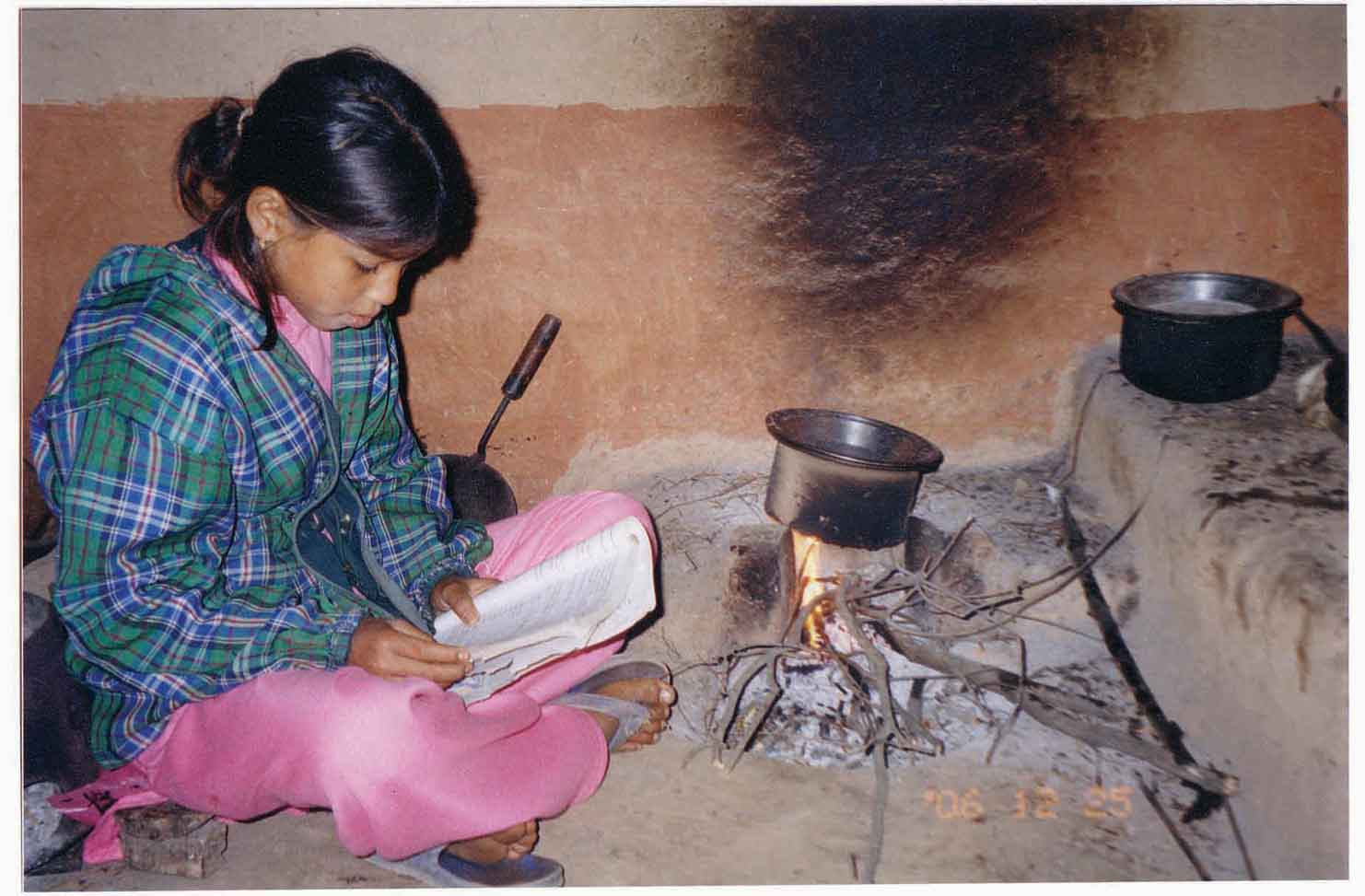
“I have willingness to study but poverty forces me to twist my desire”
- Aasha Karki