
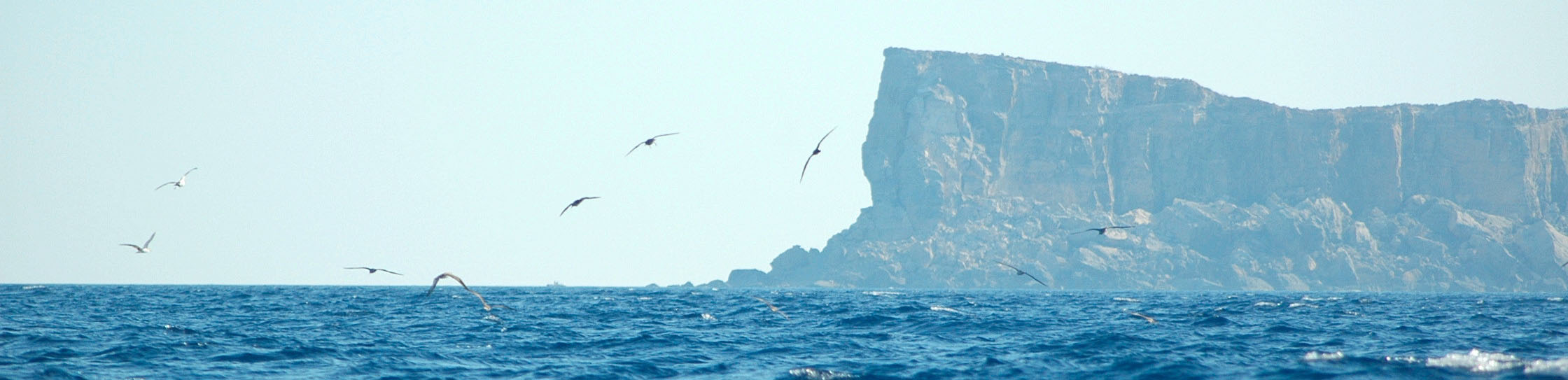
Between 1968 and the early 1980's the island of Filfla was the main seabird study station in the Maltese Islands as well as thebreeding colony of the Yelkouan Shearwater Puffinus yelkouan on the north-eastern cliffs of Malta. Throughout these early years thousands of Mediterranean Storm Petrels Hydrobates pelagicus melitensis and a few hundred Levantine and Cory's Shearwater Calonectris diomedea were ringed at these colonies. A number of recoveries of Maltese ringed birds has been recorded and the longevity of these birds is also reported. One Storm Petrel was retrapped after 27 years when it was already an adult when ringed. Albinism in the Procellariiformes is also being investigated with several individuals showing various degrees of white feathers.
From 1968 to 1982 several hundred birds have been ringed on Filfla island and from a small accessible colony on the south-west coast of Malta by bird ringers of BirdLife Malta.
Prospecting for accessible study sites was initiated in 1983 and over 155 study nests have been identified from 16 areas in Malta and Gozo. Nests have been marked and the history of each nest and its occupants annualy recorded. Studies are carried out on site tenacity, mate fidelity and survival of adult and young birds among others. Philopatry and incestuous behaviour are currently the main focus of interest in the lives of these seabirds.
Results have been published in il-Merill (BLM Scientific Journal) as well as in a number of foreign bulletins.
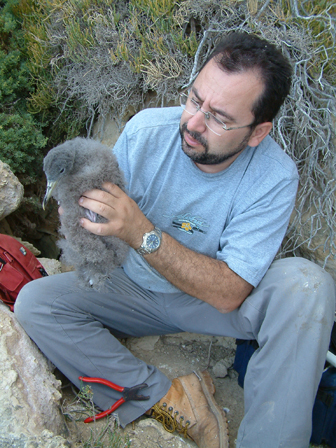
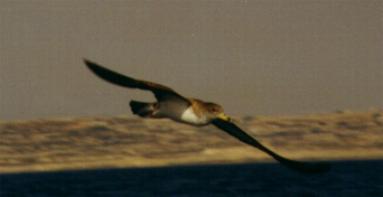

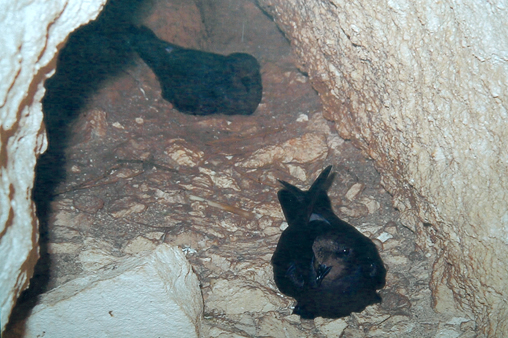
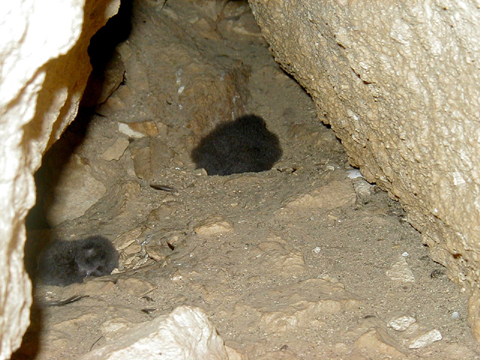
Because of its peculiar habits, the Yelkouan Shearwater received less attention than the former species. Nesting in deep narrow inaccessible crevices, it renders it practically impossible to carry out any detailed study on its breeding biology. Nevertheless the few pulli ringed yielded very important results on post-fledging movements. A large colony, partly accessible, situated on the north-eastern coast of Malta was the main study area for this species until 1996 when after a heavy storm and years of battering by high waves, a large part of the cliff thumbled down into the sea, thus over twenty years of ringing has been practically lost as the site is no longer accessible.
Other small colonies on Malta, Gozo and Comino are still being monitored.
Movements, as well as some aspects of breeding biology are the main topics being studied.
An EU LIFE funded project on the Yelkouan Shearwater in the Maltese Islands is currently underway (2006 and 2010).
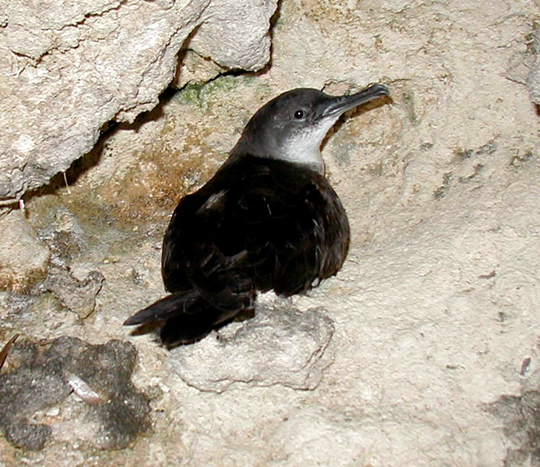
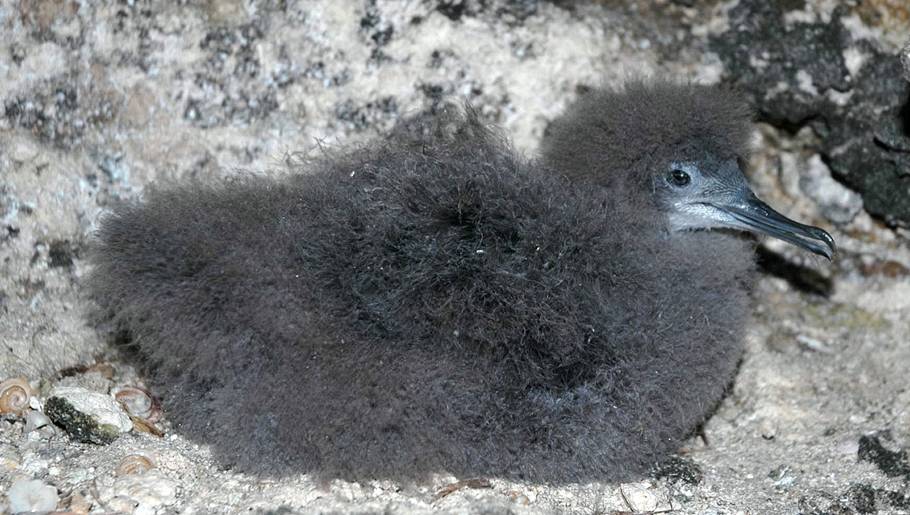
The most numerous breeding seabird in the Maltese Islands, the Mediterranean Storm Petrel breeds in large numbers on the island of Filfla. A small colony of about 25 pairs was discovered in a cave in Gozo in 1994. Over 19,000 Storm petrels have been ringed since 1968. This long period of activities has resulted in some interesting longevity records with one bird ringed as an adult was retrapped 27 years later. Inter-island movements between Filfla and Marettimo Island, SIcily has also been confirmed thanks to the large number of birds ringed. Aspects of the Storm Petrel moult strategy is also being studied along with various aspects of breeding ecology and biology.
The small colony in Gozo is also visited systematically in order to assess health and stability of its breeding population. Aspects on the breeding biology are also being studied.
The main breeding colony of this gull is situated on the plateau surface of Filfla Island. Annual visits are organised with the assistance of the Armed Forces of Malta, they provide air transport (helicopter) to and from the island. Visits show that the colony has increased in recent years and now has reached saturation level. The marking of young birds has produced very interesting results on post-fledging movements. The diet of this gull and the predation on the Storm Petrel colony are being studied. In 2005 a small number of chicks were ringed with a red pvc ring placed on the right leg as well as a numbered ring on the left. Green-coloured rings in 2006 and Green over Red in 2007.
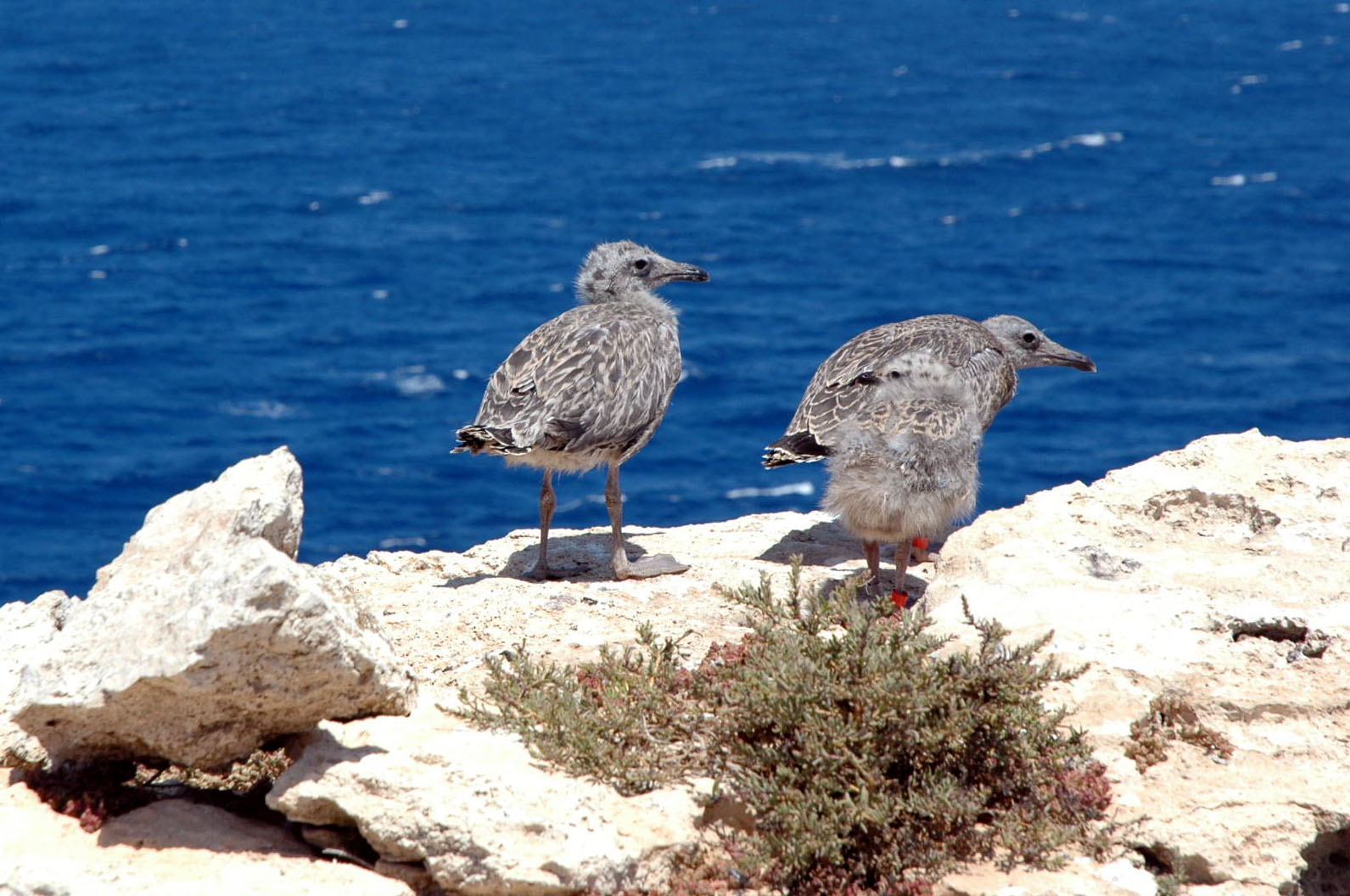
(the chick on the left is not ringed) - Filfla 2005