




|
|
|
|
Loch Ness MonsterIn 1960, a aeronautical engineer named Tim Dinsdale,traveled to Loch Ness to go "monster hunting",armed with a 16mm Bolex movie camera. Mr.Dinsdale spent a week driving around the Loch hoping to catch a glimpse of the monster. On his last day, he spotted a large dark object in the middle of the loch. Switching on his camera, he filmed the object slowly zig-zag across and then submerged. Dinsdale's film caused a sensation, here was proof that a large marine animal or animals inhabited the murky waters of Loch Ness.The film was taken to photographic experts of Britain's Royal Air Force and was pronounced genuine.Soon Loch Ness became a popular tourist attraction and the Loch Ness Investigation Bureau was established. In 1972 the Academy of Applied Sciences traveled to Loch Ness. They set up a number of underwater camera's and sonar devices. Sonar "contacts" were made of large objects swimming deep below the surface. The camera's produced a photograph of a huge six foot flipper belonging to a large, unidentified, marine animal. In 1934, while riding his motorcycle,veterinarian student,Arthur Grant, sighted a large creature resembling a plesiosaur next to the road that runs along Loch Ness. Then he saw it slide into the water. One summer day Mr. and Mrs. Spicer were spending a pleasant vacation touring Scotland in their Ford motorcar. Suddenly Mr.Spicer saw a huge creature blocking the road ahead. Jumping out of his car he saw a long neck, large body and four flippers.Seconds later the monster crashed through the bushes and into the water.
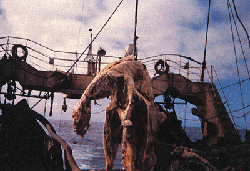
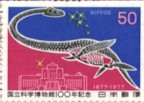
Sea Serpents and Other Large Marine Animals On August 6th, 1848, the British warship Daeddus,was sailing between The Cape of Good Hope (South Africa) and the island St. Helena when an incredible sea creature approached. The skipper,Peter John M'Quhae, observed the creature at close range with his officers and men as it swam past the vessel. In his report, Peter M'Quhae stated that the creature was about sixty ft long, and held it's neck forty ft above the sea,with a horse like mane running along the back of the neck. They watched it for twenty minutes before it submerged. During World War 1, the British cargo ship,Iberian,was torpedoed by the U-28 German submarine in the North Atlantic. Seconds after the ship sank, there was a big explosion. Among the debris thrown into the air,was a huge plesiosaur like creature. The captain of the sub described it as sixty ft long with four huge flippers. During World War 2 the crews of British and American warships regularly reported sightings of enemy "periscopes" in areas where there were no submarines. Could these be the necks of plesiosaurs or other large sea serpents? In 1977, a Japanese fishing vessel hauled up an odd looking dead carcass. It was thirty-two ft long and had a long thin neck and weighed over 4000 pounds and appeared to have four large flippers. What else could it be? They threw it back in the water, but the Japanese Government must of been convinced it was a plesiosaur because they made a special stamp in honor of the find.
Dinosaurs in Africa It was a hot humid day in the Congo Swamps of Africa, it is the most dangerous part of Africa but rich hunting ground for the natives who live there called Pygmies. The Pygmies were out hunting for monkeys. (A rich source of protein.) When a giant creature emerged from the swamp. They stared in horror as the huge long necked creature raised its body fully out of the water. The Pygmies screamed as they ran for their lives through the forest. This is now called Mokele-Mbembe (Mow-kee-lee-mim-bee). But this is not the only place in Africa that a large long neck creature inhabits, in Gabon they call it N'yamala and in Cameroon they call it Jago-Nini. In 1932, Scottish explorer Ivan T. Sanderson was paddling along the Cross River in the Cameroon's, suddenly heard an ear-splitting roar from a cave behind him. He reported it looked like an Apatosaurus and that the monsters head was as big as a hippo!
Reference Book Claws, Jaws & Dinosaurs by William J. Gibbons and Dr. Kent Hovind |