 n Earth

 4TH
NOVEMBER 2004
4TH
NOVEMBER 2004
InternaTional
News sensationalism: How
does the family feel?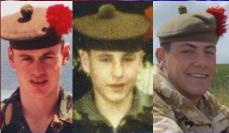
The news of the 4th and 5th dedicated a large segment to those viewers emotionally dead and unable to figure out the feelings of a murder victim’s family. Amongst such unguessable insights; the events were "a terrible ordeal" or that the family and friends are "devastated". Is it the media we should blame for turning real tragedies into soap operas, or the public for being insensitive enough to create the demand? Are the viewers so emotionally empty that they need a real life drama, a human interest story that isn’t in the best interests of anyone? Cashing in on the personal tragedies of victims families.
Other feelings we couldn't have imagined include the clichés: "Nothing can bring our son/husband/brother back" "His/Her life serves as a message of courage" “We won't let his/her death be in vain, if their life only saves one other…” "they shall be dearly missed".
It's not just in the case of the tragic Black Watch deaths, be it the parents of an abductee or murder victim; there will always be a reporter on hand to shove a microphone under their nose and ask "How do you feel"? Naturally, there'll always be a family member trying to say something prophetic, while not always in a state to consider the wider ramifications. How do you feel about the reduced prison sentence of your daughter's murder? Hmm...let me guess.
Suddenly the families of the victim become anti-war/anti-drink-drive/anti-whatever, and the media is full of the tributes, and we expect nothing less. Politicians; national and local, religious leaders, friends and neighbours who saw the whole thing take place, are all in hand to put in their 10 cents worth. Blair going to Bigley's funeral? The victim becomes a saintly hero, and the family of the victim set up a charity to stop another war/ stop some disturbed killer throwing another backpacker off a bridge/ stop some other pervert from killing a child/ stop some other building collapsing and burying someone. How exactly is never explained. A building collapses in my home town, and the worldwide media are there filming for a week. I got an email from a friend half way around the world wanting to know if I was still alive. Sensationalism is a worldwide condition.
As much as this is a sad waste of a human life, there was nothing was particularly rare about it; sad for the family, but why should we give this more undue attention than it deserves, especially at the expense of reporting other events which have far wider reaching implications. I can confidently say this as the mundane, everyday deaths are the ones which go unreported, that is, unless you happen to be famous. Any event which can be strung out over a couple of days or even a week; a search for victims, or hostage situation is all the better.
News by the numbers
What we need is a proper logical and clinical look at the facts; news by the numbers. It's pragmatism which is far from being heartless; proportional responses to sad events and less “pop grief” that has become so fashionable A.D. (after Diana). It’s a lack sympathy, humanity or compassion and a sensationalist media response which means that the really important stories remained unreported. Whilst half a dozen victims trapped under the building were making the headlines, the continuing Darfur crisis (tens of thousands killed, hundreds of thousands displaced). Especially when victims might be in Hollywood style peril just waiting for some heroic act. Perhaps the international news organisations haven't realised? A lack of reporters in the area perhaps? I noticed that the lighter "pop" news on ITV was made by the same people as the serious news on Channel 4. Who the hell decides what's news was what isn't?
Media sensationalism alters us to the one in a million chance that something nasty might happen to someone nice, British and middle class, at the same time as desensitising me to the worldwide suffering. (How can they be starving again? I gave money last time.) In other news a couple of million die preventable malaria deaths each year...mostly children, mostly in Africa. The media controls our social consciousness; deciding when we should care, when a situation is beyond our control (although it would be very easy for our government to intervene in the Sudan). A nice little appeal appeared about 6 months after the initial report and a brief heart-warming fundraising appeal was created. Feeding a third of a million refugees rather than trying to resettle them, or address the reasons for their displacement- the sticking plaster solution that allows the majority of us to forget and get on with our normal lives.
Fear of the coconut.
In the UK each year, there are roughly 1000 murders, 3500 road deaths and 5000 fatalities from MRSA, the infection patients catch in hospital because nurses and doctors haven't properly washing their hands. 226 people in Scotland die from illicit drug use each year It is akin to a fear of sharks, when each falling coconuts kill ten times as many people. Fear of the coconut? Forget the coconut, getting struck by lightening kills ten times more again. Faulty toasters kill 150 each year. Forget the lightening and toasters...what about your car? Hundreds of times more likely again. The uninformed were terrified of SARs instead of being scared of 'flu. Fear the evils of marijuana instead of fearing tobacco. Fear going mad and dying from beef or eggs, or salmon; instead of dying from sui-eating obesity. If you really want to know what's more than likely going to cause your end...take a look in the mirror. You!
Everyone is terrified of being the victim of terrorism, kidnapped, crushed in a building, horribly murdered, eaten, mauled or poisoned by statistically insignificant events. Nobody seems concerned with being a victim of their own laziness and/or stupidity culminating in their own slow demise (nor their own greed contributing to the downfall of others).