| Dave's Arizona Hunting Pictures 2 | ||||||||||||||||
![]() |
||||||||||||||||
| Arizona's Gambel's quail population has declined at an alarming rate - to what many hunters, myself included, believe is less than 5% of its 1985 population. While wildlife officials publicly blame weather patterns, privately biologists and hunters are convinced the primary culprit is habitat degradation caused by decades of overgrazing and poor livestock management. Development remains the other major threat, though the long term impact on quail populations is unclear. Unfortunately, outrage over the magnitude of this decline has been muted by the fact that Gambel's quail still frequent urban back yard feeders and golf courses - giving city dwellers no indication their numbers have declined. | ||||||||||||||||
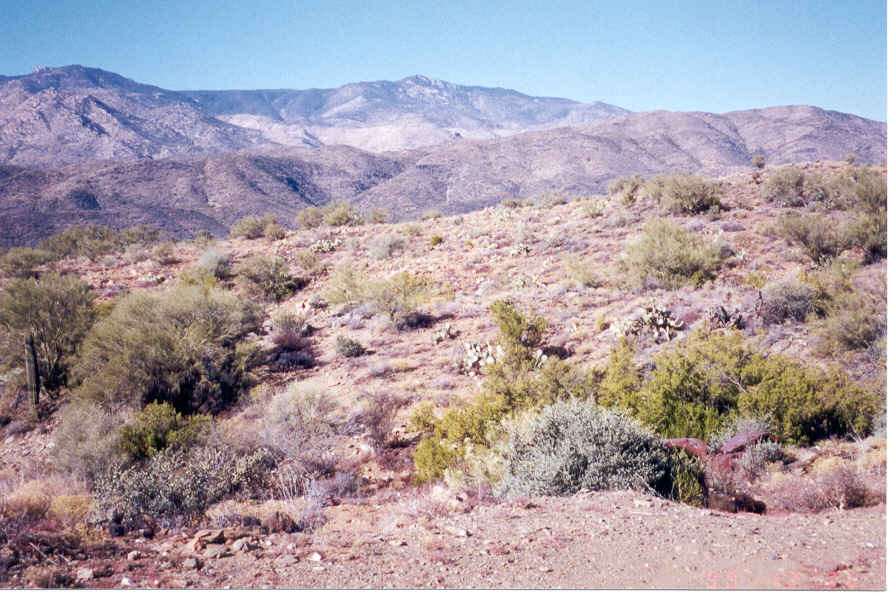
| Gambel's quail country can be rugged. The Black Canyon area. | ||||||||||||||||
![]() |
||||||||||||||||
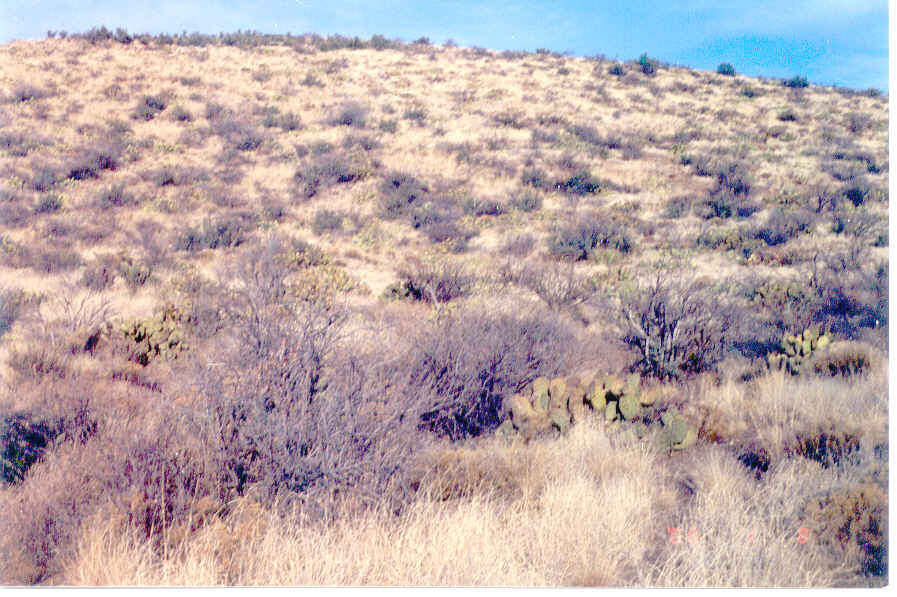
| UNGRAZED HABITAT The picture to the left shows good quality quail habitat in the bradshaw mountains that has not been grazed for nearly ten years. Though long term grazing changed the natural plant mix - encouraging the spread of mesquite and cactus, it is obvious that the grasslands have begun to recover. Notice the abundance of grass and the height of the various bunchgrasses. These provide ideal nesting habitat for quail, as well as dozens of species of song birds. |
||||||||||||||||
![]() |
||||||||||||||||
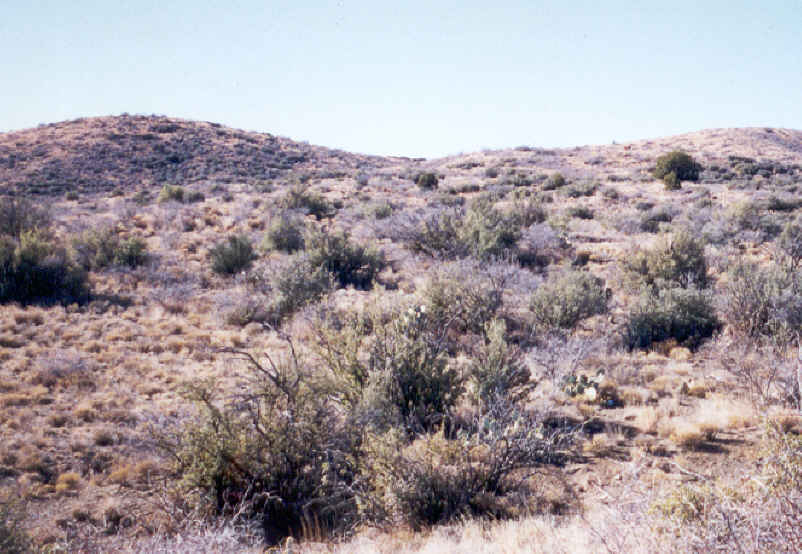
| GRAZED HABITAT The picture to the left shows grazed habitat very close to the habitat above. Note the lack of grass cover and the open stretches of dirt. Also note the abundance of cactus and shrubs such as mesquite, catclaw, and scrub oak. This type of habitat provides poor protection from predators, especially hawks, and poor nesting conditions. Without good grass cover, chicks are less likely to get the rich insect diet they need, and to survive to adulthood. |
||||||||||||||||
| Next Page Previous Page |
||||||||||||||||