 |
|
|
|
|
|
|
|
|
|
|
|
|
|
|
|
|
|
|
|
|
|
|
|
|
|
|
|
 |
|
|
 |
|
 |
|
|
|
|
|
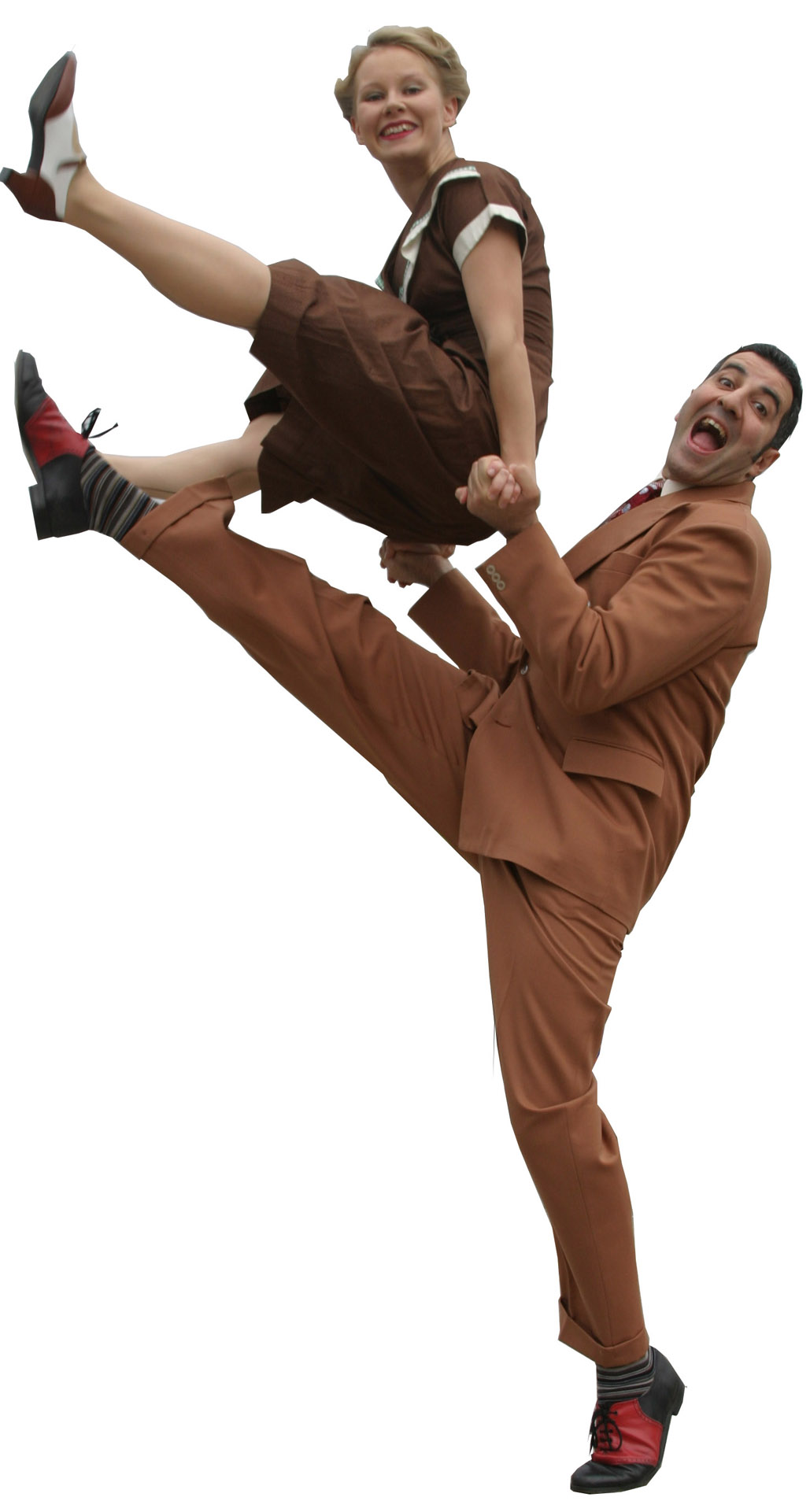
Swing ~ An ever popular blend of african American dances, which include Lindy and Ragtime Jazz and Blues, as well as all the other dance music to accompanying dances of the past ninety years. Today it generally refers to the ballroom and night club version which is based on two slow and two quick counts of the close and two quick counts of rhythm dances. |
|
|
|
|
|
 |
|
|
|
|
|
|
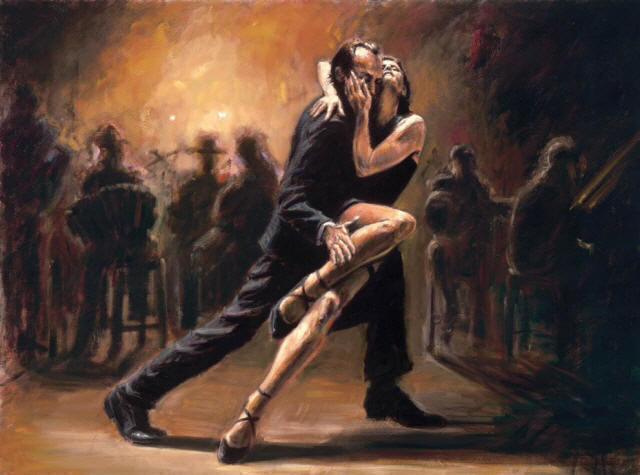
Tango ~ The Tango began in the West Indies and found its way to Argentina where it was styled by the Gauchos to it's present form. It became the romantic rage in 1921, after the silent screen star Rudolph Valentino brought the dance to millions in "The Four Horsemen of the Apocalypse." Today it is considered the "Dancers Dance" and is a favorite of all who learn it. The drama and passion of Tango has been demonstrated in films by Arnold Schwarzenneger in "True Lies" and by Al Pacino in "Scent of a Woman." |
|
|
|
|
Viennese Waltz ~ With such wonderful composers as Johann Strauss and others the Waltz became more and more refined. The steps became smaller with the turns smoother and more compact. Adding the graceful lilt of the flowing skirts we have today's Viennese Waltz. |
|
|
|
|
|
|
 |
|
|
|
|
 |
|
|
|
|
|
|
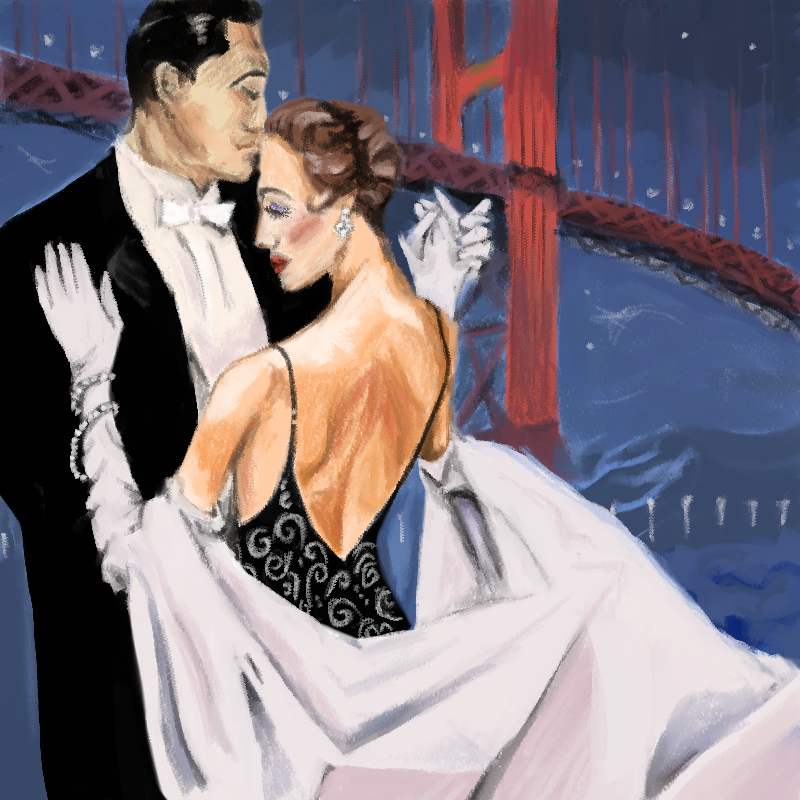
Waltz ~ Began in the 17th century southern Germany. The popularity of the Waltz grew with the music of Johann Strauss and eventually blossomed in the 20th century as the Hesitation waltz. It is the basis for many dances and is popular today all over the world. The grace and elegance of the Waltz can and should be enjoyed by all. |
|
|
|
|
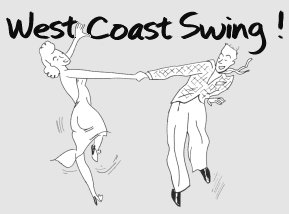
West Coast Swing ~ A Stylized Swing dance popular west of the Mississippi from Kansas to Calirofnia. Danced in a slot to medium to slow Swing or Disco music and characterized by slot movements, taps and shuffles, coaster steps and push and pull action of the dancers. |
|
|
|
|
|
|
 |
|
|
Click here for a full Dance Dictionary. From the Alegrias to Tango to Zambra |
|
|
|
|