


Haiku is a poem that presents a precise descriptive picture of a nature scene and makes a direct or indirect reference to one of the four seasons: summer, fall, winter, or spring. The classic haiga works reflect the same elements the haiku writer portrayed.
Return to Haiga Home Page
Return to Haiku Home Page
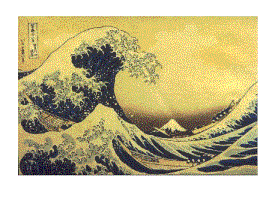
In a haiga the poem does not simply illustrate the poem, but instead adds layers of meaning to the work. Both the poem and the painting are intended to convey the suggestion of a subject, the season, or the emotions they arouse.
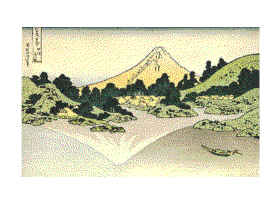
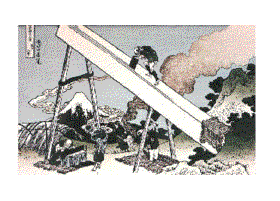
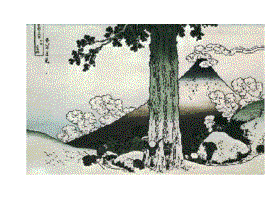
The images on the left are examples of traditional haiga.
Haiku and haiga have developed and changed thourgh the centuries. Modern creators have evolved rules to include digital images, graphic images, paintings, and photographs.
http://www.worldhaikureview.org/3-2/poetrybrush_st.shtml
http://www.uam.ucsb.edu/Pages?Haiga_exhibition.html
Oblique: A Poetry Journal Copyright © 2005 John Daleiden You Are Visitor Number
