Understanding MARC Bibliographic
http://www.loc.gov/marc/umb/
When I first started copy-cataloging, the only resources I had were a copy of Understanding MARC
Bibligraphic and a MARC flip chart from Follett. Understanding MARC
Bibliographic is still the best introduction to MARC that I've seen [Charles].
MARC21 Tutorial
http://www.lib.usm.edu/~techserv/pdc/marc21_tutorial_ie/
A tutorial to reinforce what you learned in Understanding MARC Bibliographic
ABLE MARC Tutorial
http://www.lili.org/forlibs/ce/able/course8/01index.htm
Reviews the major MARC tags, explains indicators and subfields. There is a brief quiz
at the end of each section.
Tag of the Month (Follett)
http://www.fsc.follett.com/clientsupport/community/tagofthemonth/
Features a different MARC tag each month. Gives a brief description of all the major tags,
explains first and second indicators for each tag, and gives examples. Also includes sample
MARC records for different types of materials. A good way to become familiar
with what a good MARC record looks like.
INFOhio Cataloging Resources
http://www.infohio.org/UC/MARCdocsRev.html
Includes 21 Things to Look for in a MARC Record; guidelines for matching,
evaluating, and enhancing MARC records; and six INFOhio Tag Tutors -- video lessons on important MARC tags.
ABLE Dewey Tutorial
http://www.lili.org/forlibs/ce/able/course7/01index.htm
This online tutorial is based on the 13th edition of the Abridged Dewey Decimal Classification.
Unfortunately, the tutorial refers to specific page numbers in the 13th edition -- page numbers that
don't match the 14th ed. Even though the tutorial needs to be updated, it is still possible to follow
along and get an introduction to the structure of the DDC and how to build numbers. Contact the IMC
to borrow a copy of the 14th edition.
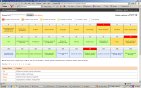
DeweyBrowser
http://deweyresearch.oclc.org/ddcbrowser/a14
Based on the 14th edition of the Abridged Dewey Decimal System. Does not include tables, manual,
or notes of the printed Abridged Dewey. A quick way to confirm a Dewey number or explore the Dewey Decimal System.
[email protected]
http://listserv.acsu.buffalo.edu/archives/autocat.html
This is a fairly active list -- 20 or messages a day, so if you miss a few days, the messages pile up.
If you're really interested in cataloging, this listserv is a must. It covers a wide range of cataloging
and classification issues, both theory and practical aspects. Sometimes vigorous discussions on things
only catalogers could care about, such as use of the serial comma, or the proper spelling of the word
catalog (vs. catalogue).
025.431: The Dewey Blog
http://ddc.typepad.com/025431/
Written by members of the Dewey editorial team at the Library of Congress. They often take a topic in
the news and explain where it would be classed in Dewey and why. There are usually three or four posts a week.
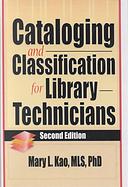 Cataloging and Classification for Library Technicians
A textbook for a course in a two-year associate degree or certificate program for library technicians.
It interprets and explains the rules and how they should be applied but does not substitute for the
reference tools needed to perform cataloguing.
 Learn Descriptive Cataloging
A basic instruction workbook for learning descriptive cataloging and the MARC bibliographic format in a
library or other information services setting. Includes practical exercises and quizzes to test understanding,
with answers for self-correction.
 The Concise AACR2, 4th ed.
"This new fourth edition provides clear, user-friendly �need to know� guidance for: small libraries
that require standard cataloging but don�t need all the details of structure and content of the full text;
beginning students who need to learn about cataloging but do not intend to be catalogers; paraprofessionals
engaged in copy cataloging; international catalogers who prefer a summary of AACR2 practice"
[from alastore.ala.org]