 |
 |
| Compost Page 2 |
| How can you create your own compost? |
| There are many kinds of compost bins, none too complicated. You can view a few examples on the next page. There is an abundance of information about composting out there. Composting is something you can keep very basic or use to create a very complex system to aid your gardening techniques. For anyone who is a first timer at composting, please keep in mind that it is easier than it may appear and promises to be self-rewarding. Try it out! You have nothing to lose and everything to gain. A good bin for a first timer may be a purchased one and can be found at a price of $25 or less. However, purchasing a bin is not necessary. In many different shapes and sizes, they can be easily made from basic materials you may already have, such as wood, plastic sheets, tarps, wire mesh, and linseed oil. Customize a compost bin to your rate of yard and food refuse. Even with no bin you can compost by making a refuse heap in the corner of your yard. (A bin is beneficial for controlling the rate at which your material breaks down.) A heap will compost on its own, though it should still go through a similar process, as you would do with a bin. You should always keep your bin topped off with food waste and yard refuse. As it decomposes you will see the pile lower significantly in just days. Keep in mind that the smaller the particles are of material you add to your compost the faster they will break down. You can do so by breaking them up like mulch or at least in small pieces. (Logs and large pieces of wood may be left out of bin.) The pile should be turned inside-out on a regular basis, every few weeks. This will thoroughly aerate the pile and spread out decomposers. Turning compost will also help to kill weeds and other roots. After turning compost be sure to thoroughly soak it, as to not dehydrate the decomposers. Do not over soak your compost. (See STEP 3) If a pile is turned too frequently (e.g., every two days) it will actually disturb the decomposition process. The essential decomposers need time to establish their positions. Any disturbance will delay their process. Remember your compost is an eco-system all on its own. |
 |
 |
| What Can Be Composted? Browns- high in carbon -leaves, straw/dry grasses, woody material, etc. Greens- high in nitrogen -moist green grasses, food scraps, and animal manure from pig, cattle, goats, and rabbits, paper products, like plates, napkins, egg cartons, coffee filters, towels and rolls, tea bags, and, food scraps like peels, cores, veggies, egg shells, coffee and grinds, & other natural material.. Do not add meats, dairy products, or very oily foods. They will decompose, but they will also attract animals and unwanted bacteria, in turn causing odors. You can compost without food scraps. Mixing browns and greens is beneficial to the makeup of your compost soil/fertilizer. Molasses can also be added to your compost when watering. Mix uses one-part molasses for every two-parts water. Molasses = Energy! |
 |
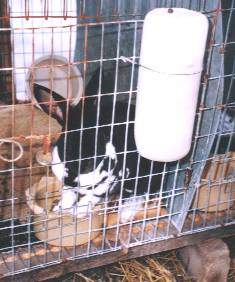
| Bunny Manure |
| Composting = Recycling Natural Material |
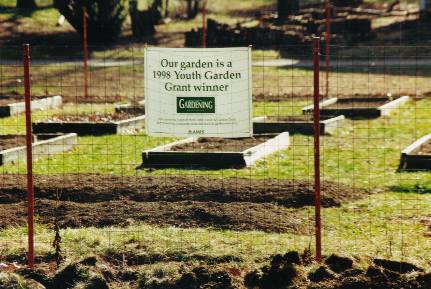
| What do you fertilize your vegetable garden with? |
| During winter months you compost may not break down well if at all. It may go into somewhat of a dormant stage, though if it is healthy and large enough it may break down year round, sustaining warm temperatures at the core of the pile. |