 |
| On the Road.... Eight Days to Kathmandu Samye to Everest |
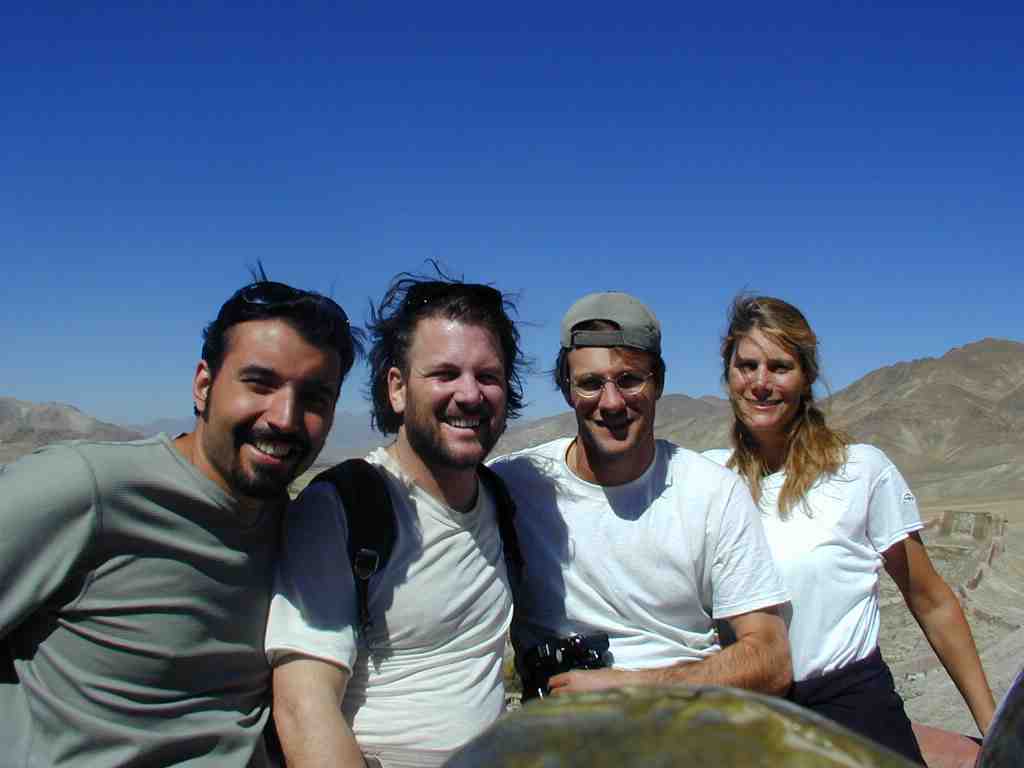
| I was supposed to fly home after a week in Lhasa, but it seemed like a shame to miss out on the rest of Tibet, so I cancelled my plane ticket and hired a "land cruiser" with some friends I met in Lhasa. The Honeymooners, Dan and Carey, and a lawyer from NYC doing work with Tibeten Refugees were the perfect travel companions. If you haven't yet, see the page on my travel companions. As it ended up, the "Land Cruiser" was rought. It was a 1980's land cruiser that had been beat to a pulp over the last 15 years of travelling across Tibet's roads. It was missing door handles, didn't have AC or heat, and certainly not a bit of suspension left. However, it was home over the next 8 days. |
|
 |
 |
 |
 |
 |
 |
 |
 |
 |
 |
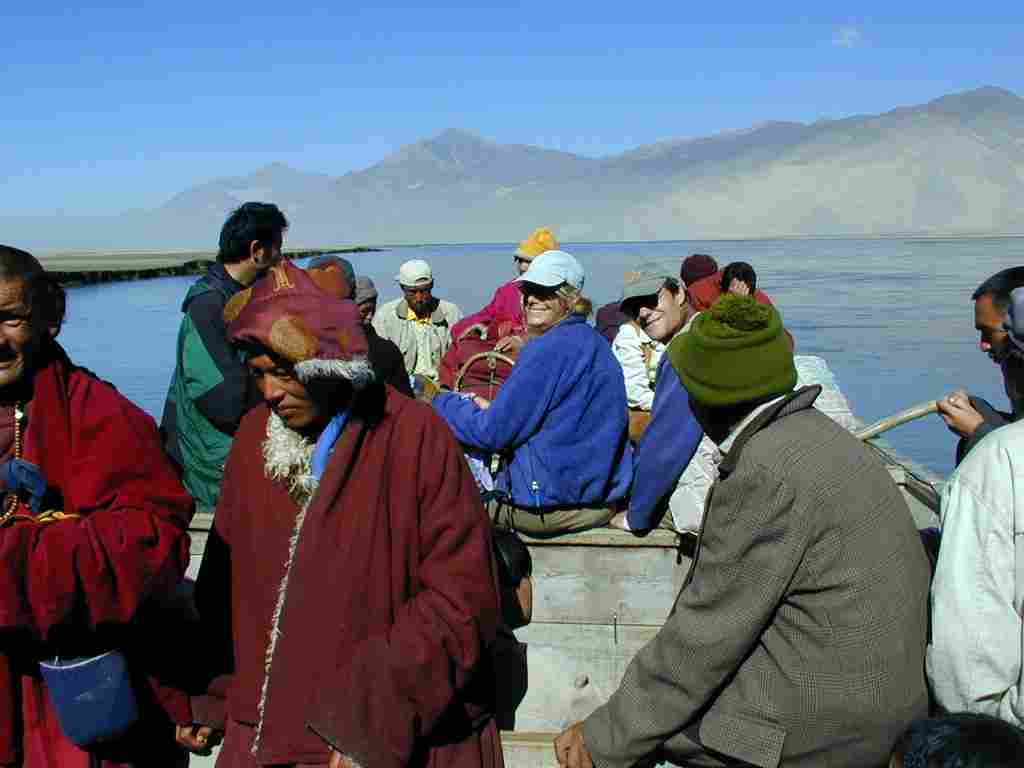
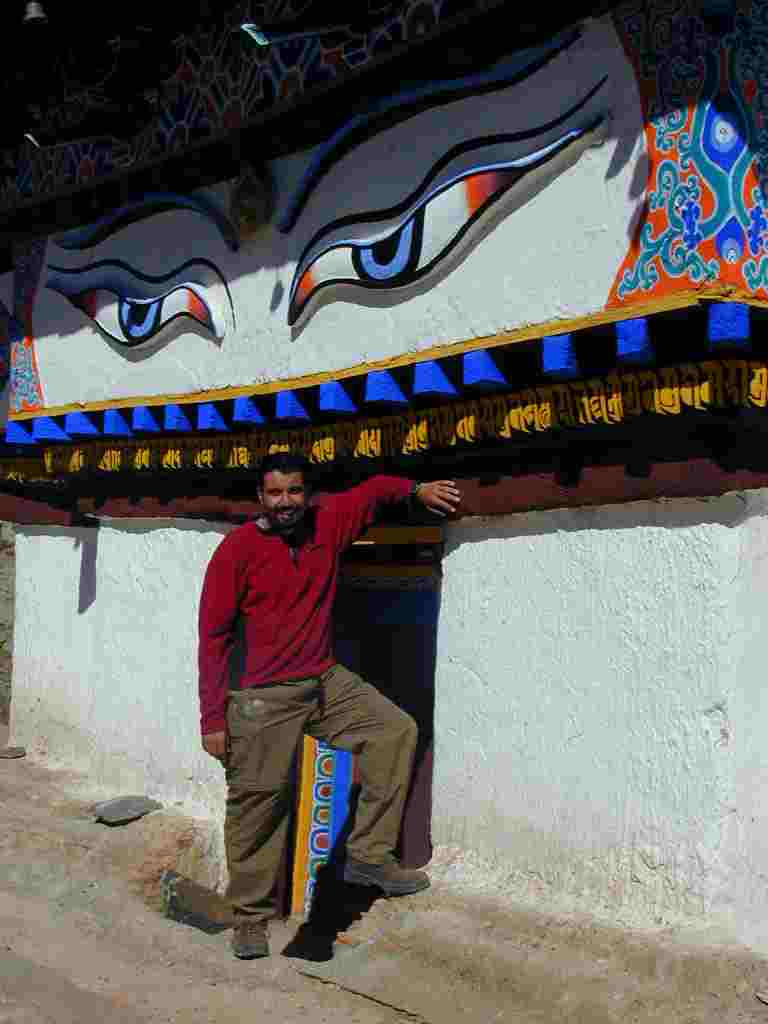
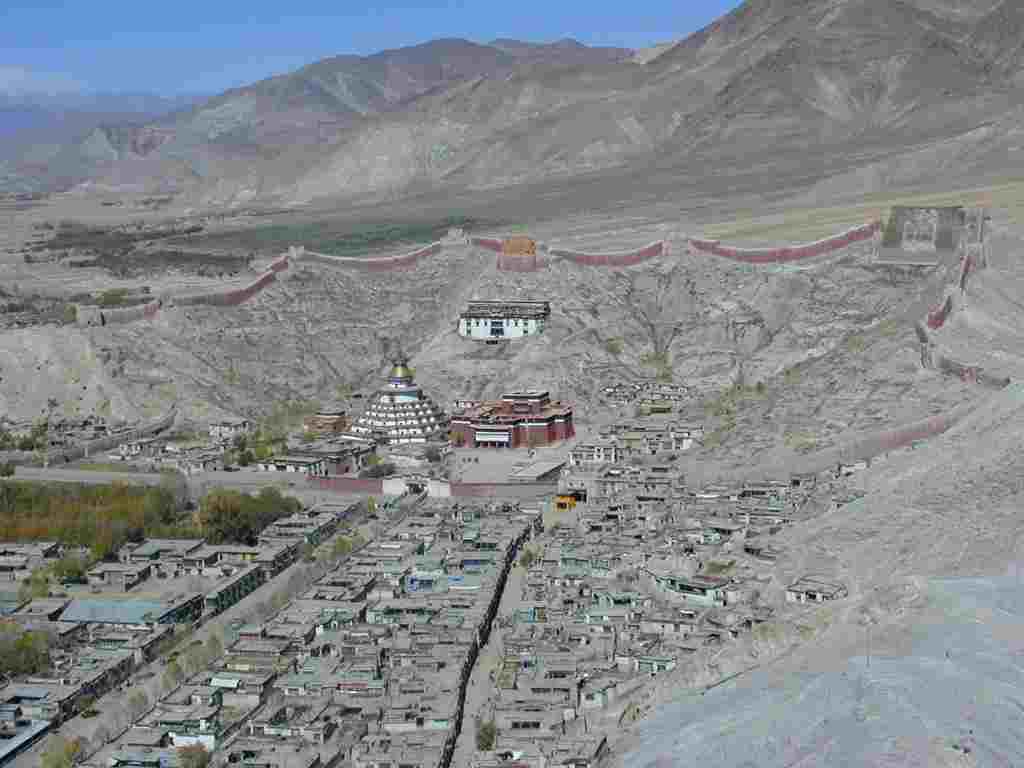
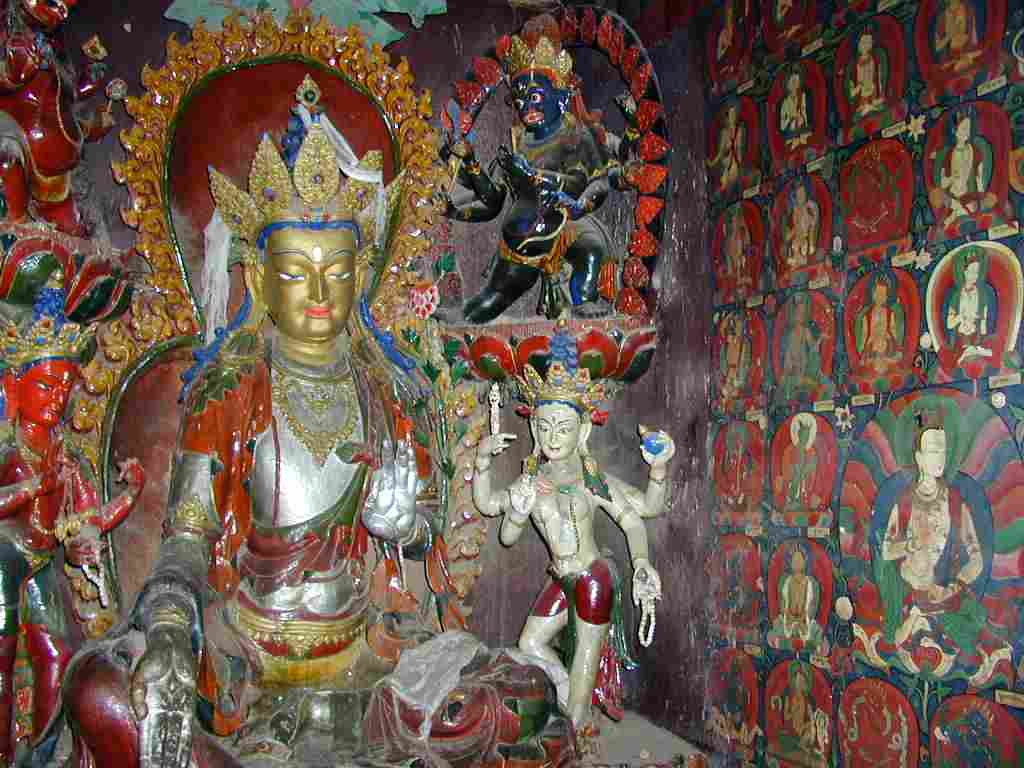
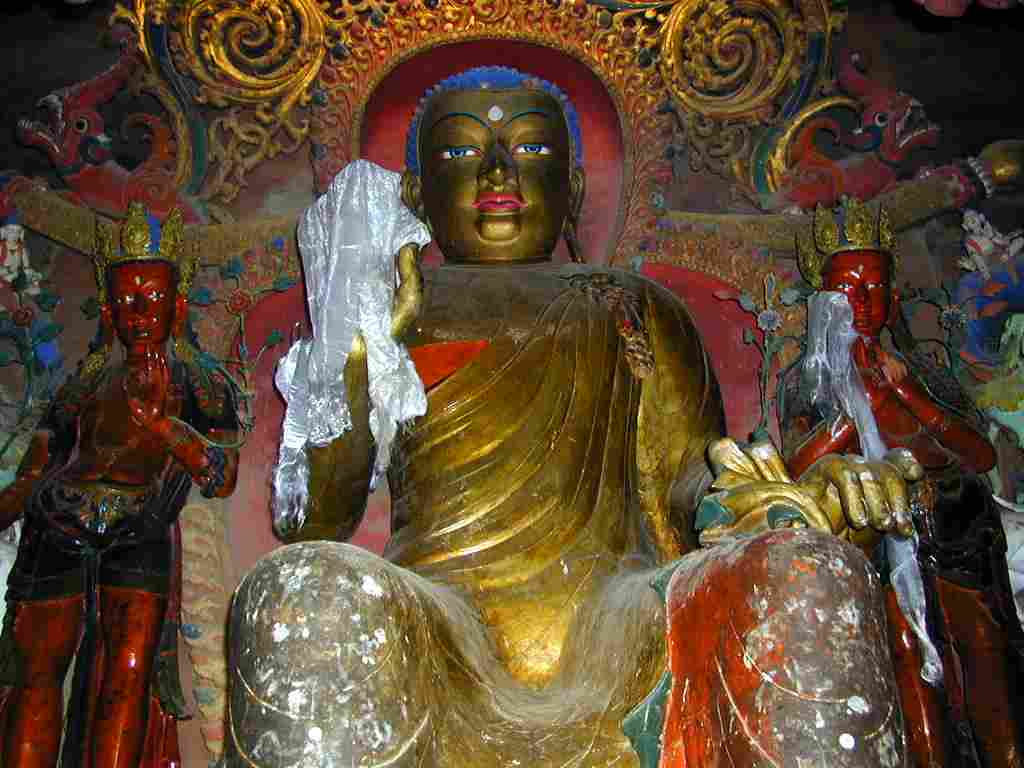
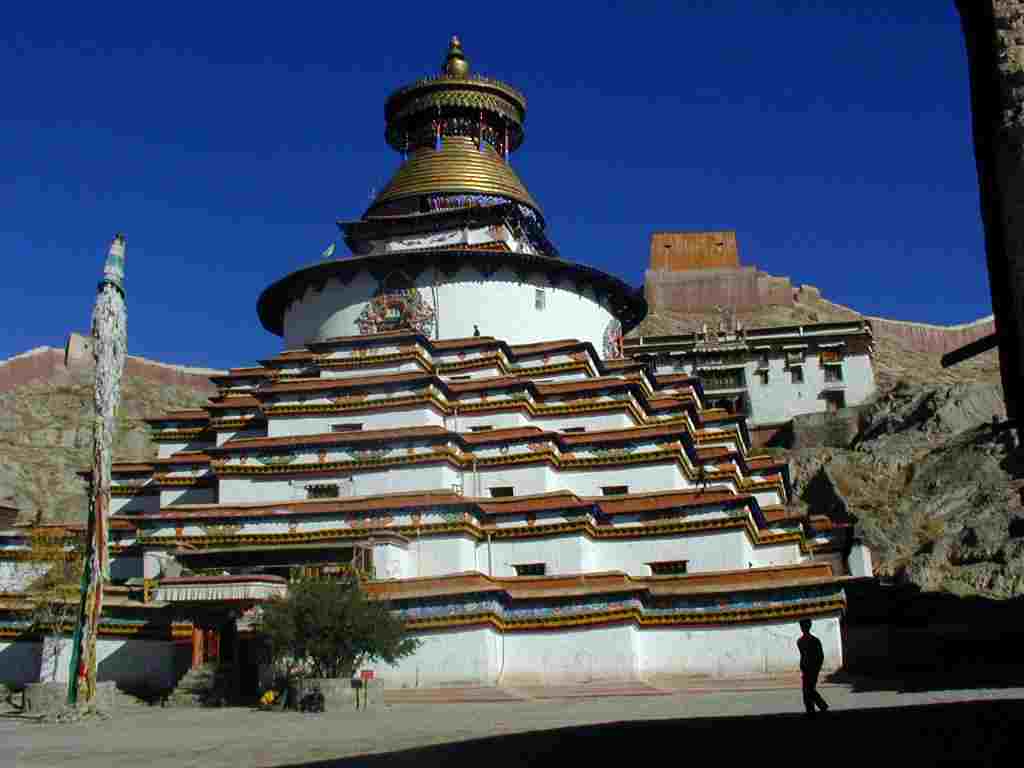
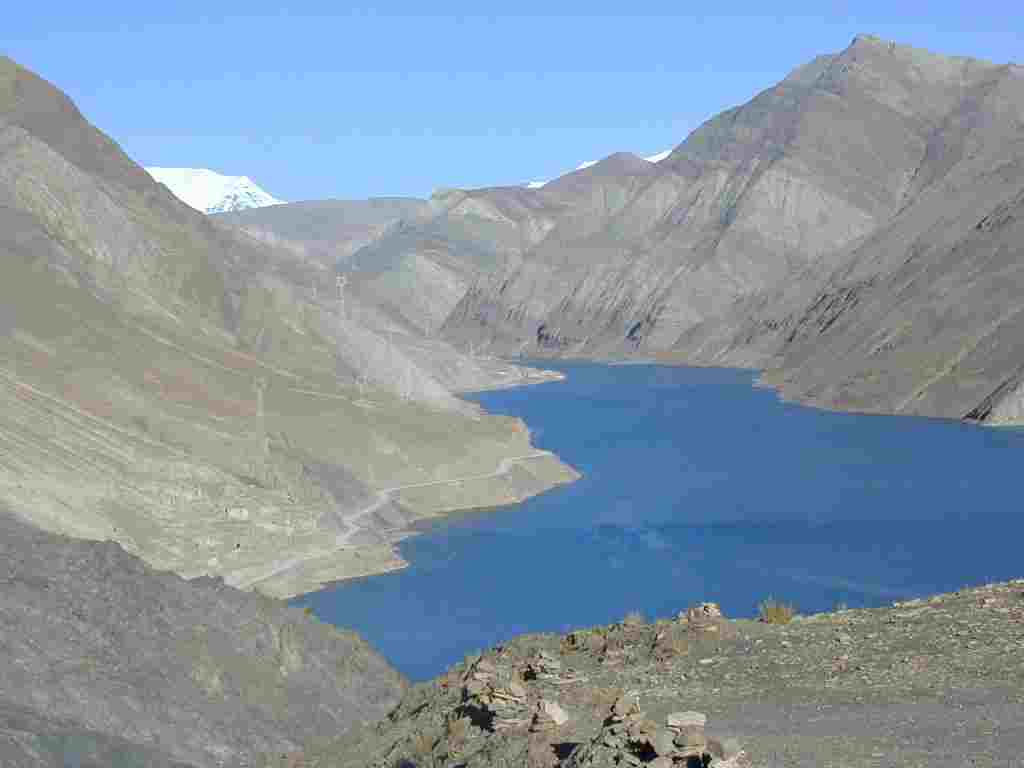
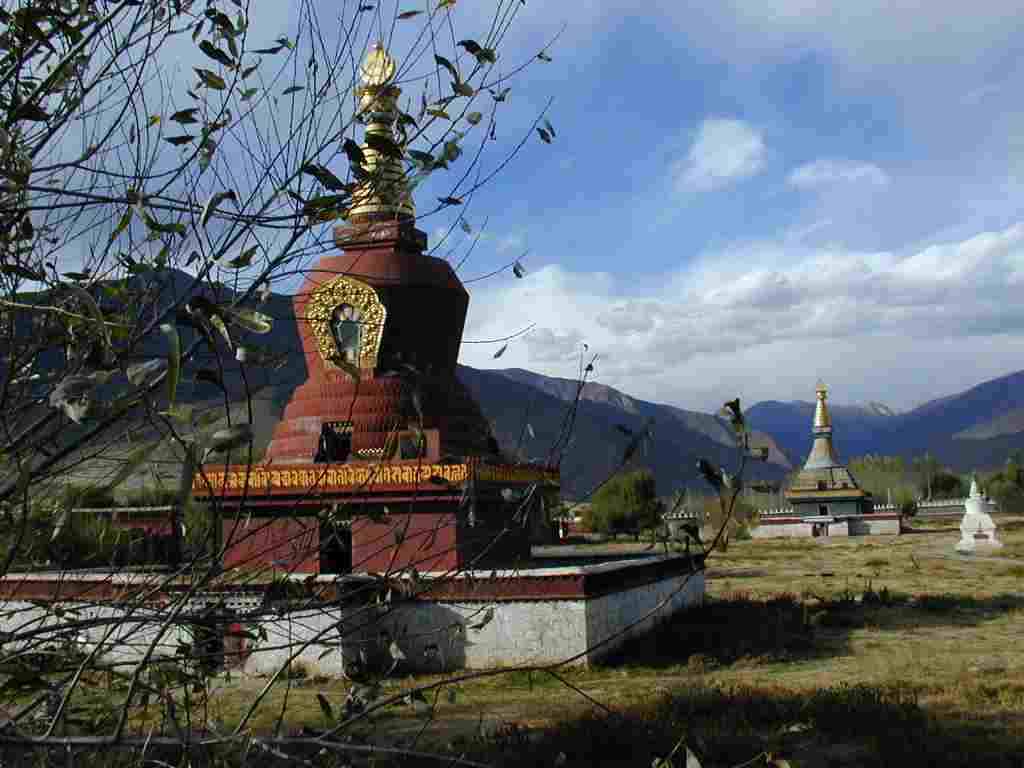
| Our first stop, and our easiest driving day, was Samye Monastary. The trip to Samye was especially interesting since we had to take the worlds slowest ferry across the Brahmaputra river (it took 1:45 minutes to cross). On the other side, we hopped in the back of a big truck for the half hour ride to the monastary. Tibet's first monastary, Samye was probably also my favorite. Designed as a mandala-the Buddhist representation of the universe- Samye was a circular compound containing over 25 buildings including schools, chortons, and even a guest house where we stayed. Touring the monastary and talking with the monks (Carey did most of the talking in Chinese) was a great day. The views over the monastary at night were also amazing and the starwatching at that altitude with no lights was spectactular. At night, the monks who were patrolling the grounds (we had lots of monk patrol jokes), came up for a chat with us as we were playing cards... as it ends up they know how to play chinese poker... go figure. The next day we set out for Gyantse crossing both the Kamba La and Karo La Pass and coming to Yamdrok Tso Lake (which one of Tibet's holiest lakes with no incoming water source that the Chinese are draining for hydroelectric power... experts say the lake could be dry in 20 years...) Gyantse itself was a small, dusty town, but upon exploring the next morning, we were captivated by the Pelkor Chode Monastery... more specifically, the Kumbum which was a 6 level chorten with over 74 individual chapels with incredible iconography. Better yet, we were able to take pictures inside of it so I finally got some shots of the Tibetan iconography. We also found a back passage that led up the the level of the eyes of Budda (see pictures) where we had some breathtaking views. We also climbed up to the Gyantse Dzong (Fort) above the city for more views and an entertainingly warped Chinese persepective on the 1904 British invasion of Tibet in the Anti-British Imperialists Museum. |
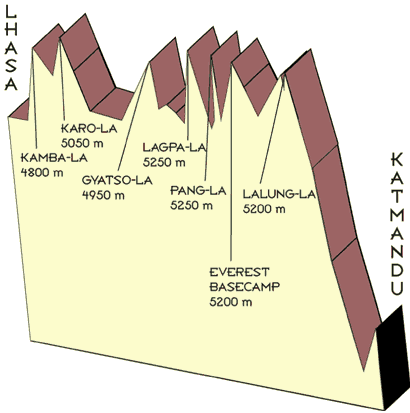 |
| The next 8 days would take us overland from Lhasa to Kathmandu on the Friendship Highway. It really wasn't much of a highway, 95% of it was unpaved, and most of it was downright miserable, but we hung in there inspired by tremendous views of the Himalayas and the dry rolling desert hills of the Tibetan high plateau. The cities we would stay in would be: Lhasa, Samye, Gyantse, Shigatse, Rombuku Monastary (Everest Base Camp), Shegar, Tingri, Kathmandu. Yes, I went the other Everest Base Camp on the Tibetan side, and instead of walking 10 days, I drove right up to it! To the right, you will see the altitude of all of the passes we would go through (note that you can multiply the meters by 3.28 to get feet... although I am starting to think in meters... or at least I know how many meters it takes for me to get a pounding headache from altitude!) |
| Above: Carey, Dan and lots of Pilgrims on the ferry to Samye. Below: Two Chortons in samye Monastary |
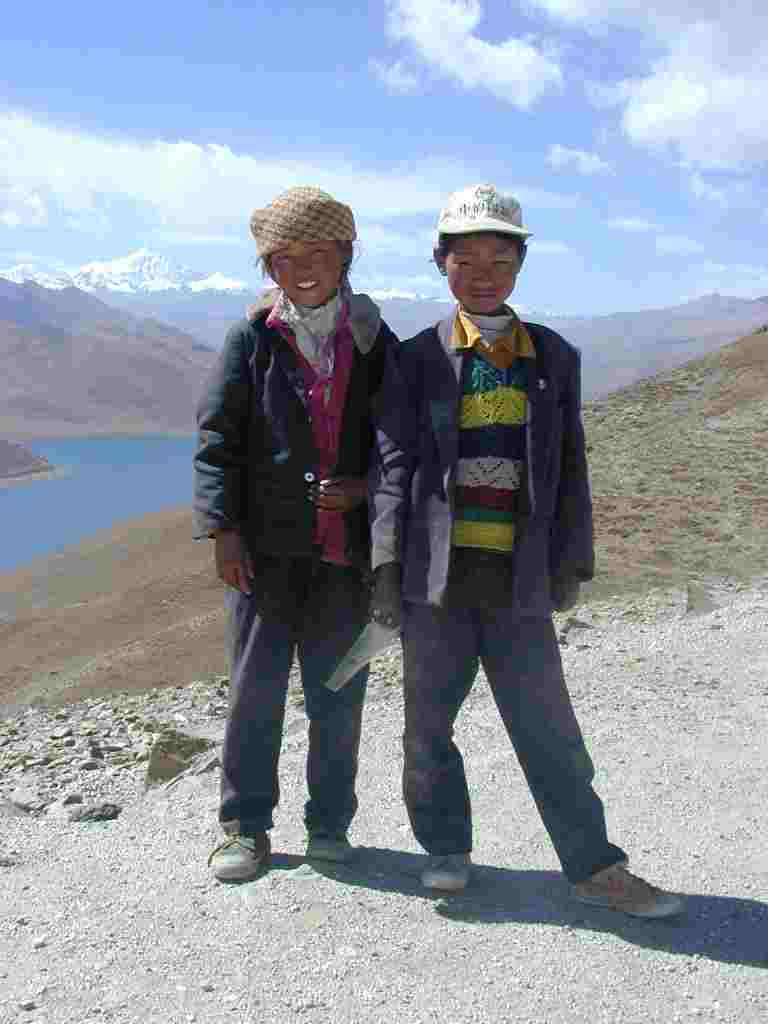
| Left: Pilgrim Children as we head over a pass. An unexepected bonus of my camera is that everyone wanted me to take pics of them since they could view it on my camera. Below: Yamdrok Tso Holy Tibetan Lake that is being drained by a Chinese Hydro-electric plant. |
| Left: The Gyantse Kumbum Below: two examples of the chapels. Not the intricate wall paintings on the one on the left. The one on the right is Sakyamuni Budda |
| Left: Me and the Eyes of Budda on the Kumbum Chorten in Gyantse. Above, A view of Gyantse and the monastery from Gyantse Dzong. |
| After Gyantse, we had a short trip to Shigatse, Tibet's second largest city. Shigatse is home to the Tashilhumpo Monastery. The Tashihumpo Monastery is the largest functioning monastery in Tibet and the traditional home of the Panchen Lama, second highest lama in Tibetan buddhism. After a dispute over the correct candidate for the reincarnation of the Panchen Lama, the Chinese government placed their candidate as the Panchen Lama, and moved the seat to Beijing. |
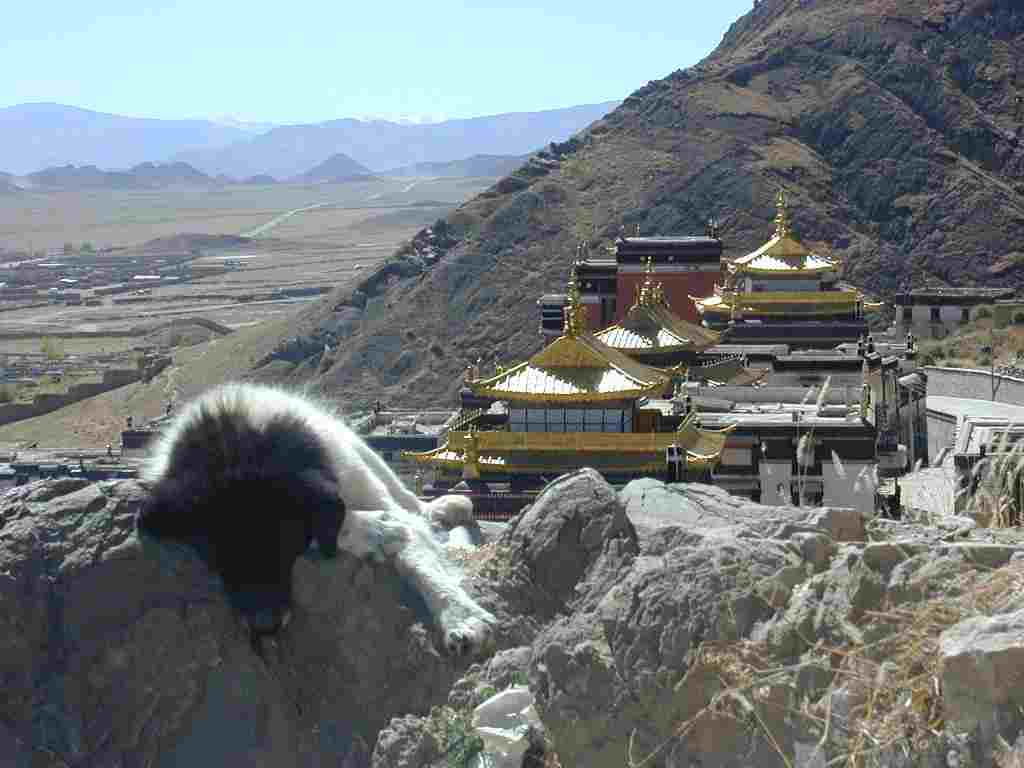
| Here is a shot of Tashilhumpo Monastery from a nearby hill. Packs of dogs are everywhere in Tibet, but as you can see, most are pretty harmless if not cute |