 |
|
|
|
|
|
|
|
|
|
|
|
|
|
|
|
|
|
|
|
|
|
|
|
|
|
|
|
|
|
|
|
|
|
|
|
|
|
|
|
|
|
|
|
|
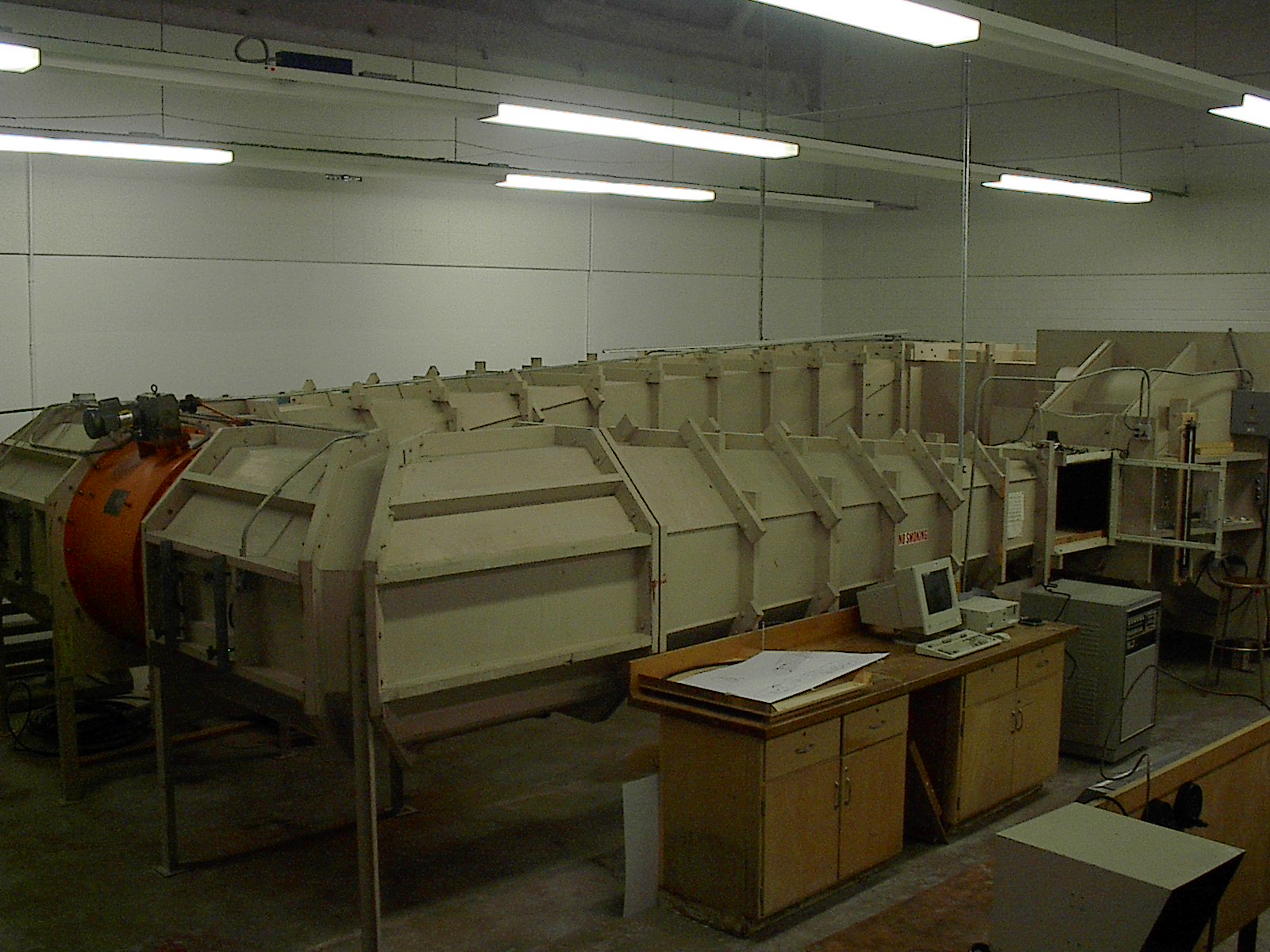
WIND TUNNEL |
|
|
|
 |
|
|
|
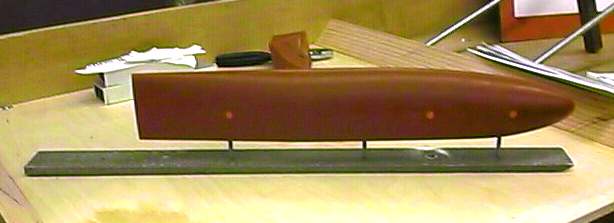
So where did we begin? We wanted a streamlined motorcycle with a low coefficient of drag, and a small frontal cross-sectional area. Scott M. took on this task and did an excellent job. He modeled the body in Pro-E, then helped to have it machined out of machinable wax on the HAAS CNC, then mounted it and ran the tests in the wind tunnel. The result is a tight body that has a 0.13 coefficient of drag.
Dave M. along with the old ME491 team setup the wind tunnel for this testing. Dave now runs the wind tunnel and has done some basic programing to collect data.
Manny M. is re-running the model now that there is a slightly improved mounting method. He hopes to get "better" numbers and compare the results with the Fluent software. |
|
|
|
 |
|
|
|
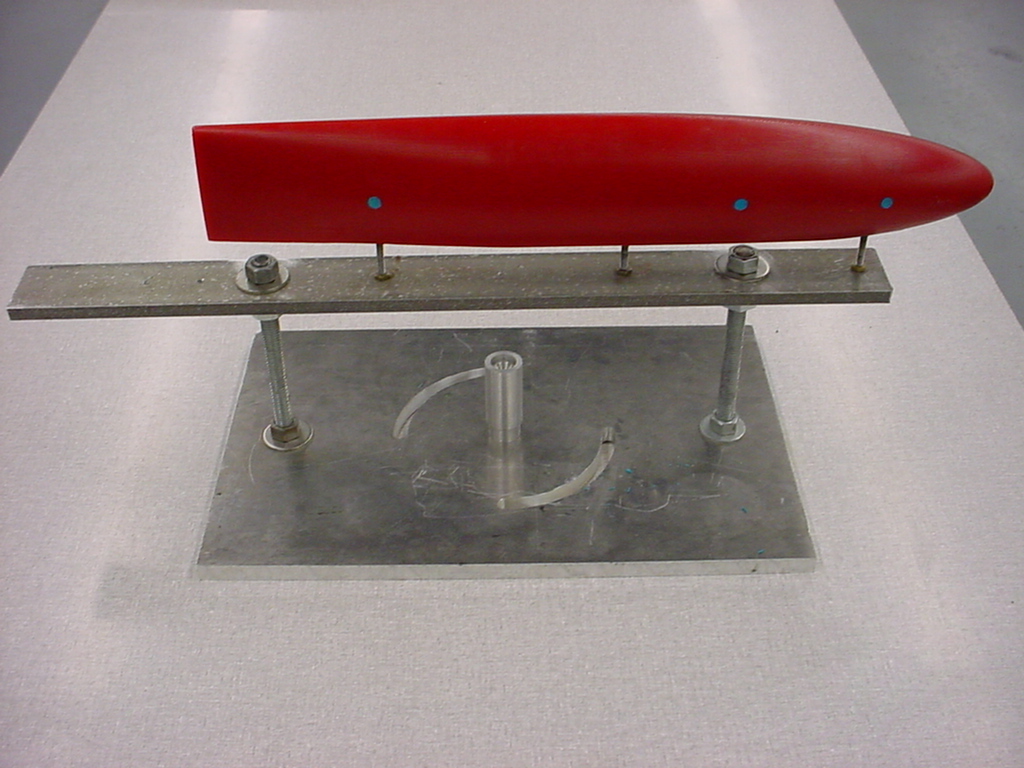
1/10th Scale Model of Streamliner Body. |
|
|
|
 |
|
 |
|
|
|
|
|
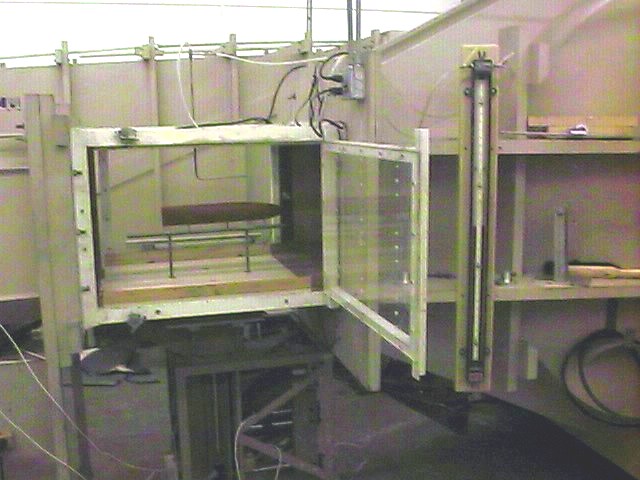
Mounted in Wind Tunnel prior to testing at high speed. |
|
|
|
The air velocity in the tunnel reaches ~175m.ph. |
|
|
|
|
|
 |
|
|
|
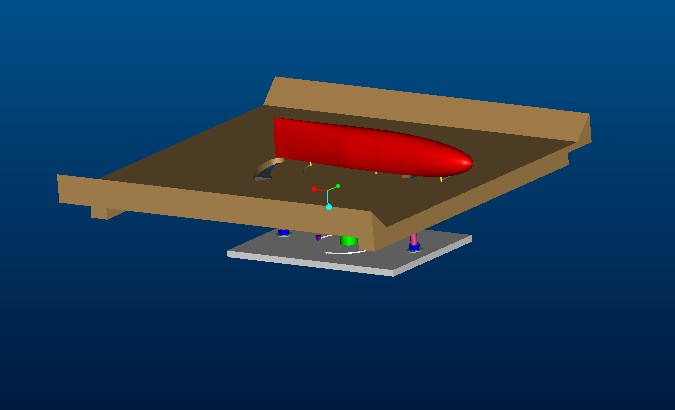
Pro-E model of Streamliner and Wind Tunnel mounting. |
|
|
|
 |
|
|
|
 |
|
|
|
|
|
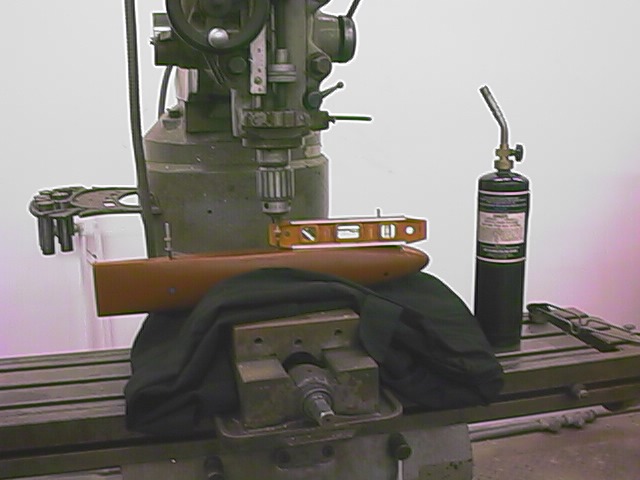
To mount a wax model to the wind tunnel fixture, bolts were imbedded on the bottom of the model. A good way of making sure that everything was straight was to use the mill to hold the hot bolts and press them in. The digital indicator on the mill was used to ensure that the bolts would properly align with the steel fixture. |
|
|
|
 |
|
|
|
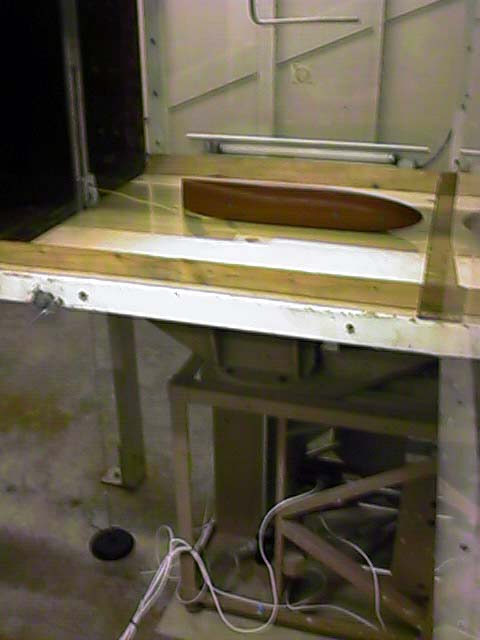
This picture shows the model mounted and setup for calibration. The structure below the wind tunnel supports the model and houses the force transducers. If any changes are made to the mounting, a new calibration run is made. One problem with data collection was electrical noise between the Validyne unit and the computer. A simple circuit took care of this problem and improved our results. |
|
|
|
|
|
 |
|
|
|
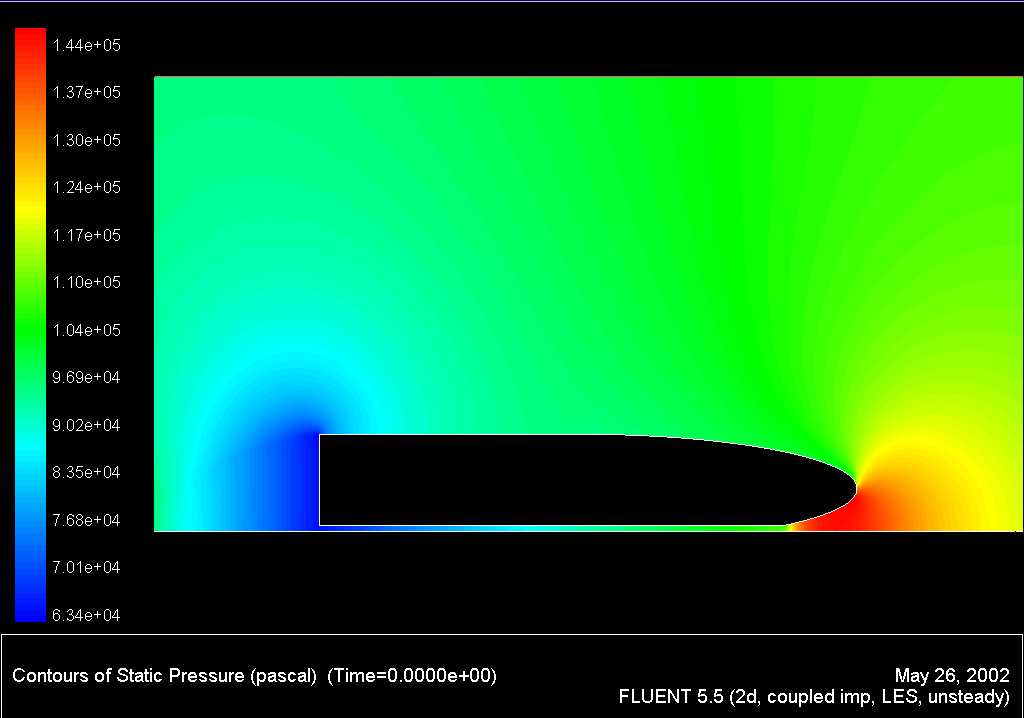
This model has undergone one complete CFD analysis (on Fluent) as of May 2002. Representing the 2-D exterior body at 200 mph, there are preliminary concers with the total pressure distribution along the vehicle. Thought to be a perfectly streamlined elliptical body, the results indicate a reasnable instability at the speeds the vehicle was designed for.
Nevertheless, the design process involves constant iterative samples, and Fluent serves as an integral part. The results, coupled with experimental data from the university's wind tunnel, will ultimately shape the final geometry the wind will encounter. SolidWorks' FloWorks will output future numerical measurements on body improvements, which hopefully should indicate a smooth ride into the record books. |
|
|
|
 |
|
|
 |
|
|
|
|
|
|
Back to Main |
|
|
|
Continue On |
|
|
|