| |
Information on gardening, native plants,
wildlife and living in Romeoville, Illinois
A garden is the best alternative therapy.
- Germaine Greer
|
|
Finding
Design and Purpose in a Corner Garden
by Lisa Hegel
When David and I moved to our new house in October,
2000, we knew there would be lots of hard work to establish landscaping.
Although the builder sodded front and side, and laid the back with
blanket seed, we had no idea how bad the soil underneath was -- rocks
and clay! That made drainage a big problem. With soil supplements such
as peat, mushroom compost and regular top soil, it's improving. There's
still much to be done. Here's where we began...

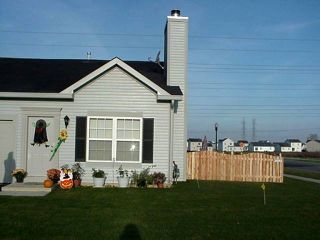
We live on a corner lot and the main garden area is
within our fenced property line, which creates corners, hence the name.
The various plant groupings are also named: there's a "Zen"
water garden, named so for it's wind chimes and peaceful, bubbling water
sounds; 
the shade garden along the patio and down a path
alongside the house; a butterfly and bird garden with its colorful
abundance of nectar and seed producing plants; and a foundation /
fenceline garden with several varieties of perennials, shrubs, fruit
trees and evergreens to provide some backbone to the whole design.
more
AUDUBON ADVISORY
Audubon's Twice-Monthly Update From
Washington, D.C. January 11, 2002 (Vol. 2002, Issue 1) |
Saving
Red-Winged Blackbirds The U.S. Department of
Agriculture (USDA) is proposing to kill, by poison, 2 million
blackbirds a year for three years starting in the spring of 2002.
The poisoning threatens to kill numerous other birds including the
steeply declining populations of grassland songbirds. The Department
would conduct the blackbird poisoning in an effort to reduce
sunflower crop damage in the Northern Plains. Audubon opposes the
blackbird-poisoning program because it cannot be justified on
economic or scientific grounds. The USDA's own studies (through the
Animal and Plant Health Inspection Service/APHIS) have not shown
that killing large numbers of Red-winged Blackbirds is effective in
reducing damage to sunflower crops. Blackbirds are estimated to
damage about one to two percent of the $300 million annual
production of sunflowers. Due to a strong public sentiment against
this proposal, the USDA is currently conducting an Environmental
Impact Statement (EIS) to examine the issue further. We will keep
you posted on any developments.
Protecting
Migratory Songbirds Congress for the
first time last year funded legislation that directly helps
songbirds by helping to restore and conserve their wintering
habitat, thus ensuring they make it back to our backyards in the
spring. Known as the Neotropical Migratory Bird Conservation Act,
this law establishes a fund to support partnership programs to
enhance habitat in the Caribbean and Latin America, where
approximately 5 million birds of 500 species, including some of the
most endangered birds in North America - the Kirtland's Warbler,
Hermit Thrush, the endangered Black-capped Vireo, and Kentucky
Warbler, spend their winters. This is especially important for
threatened and endangered species. Much like many Audubon-supported
measures, Congress must secure funding for the Neotropical Migratory
Bird Conservation Act each and every year for the next five years.
We will actively work with Congress to see that they fully fund this
act for Fiscal Year 2003. Questions? Comments? Click here:
mailto:[email protected]
|
|
|
Winter Facts
- Some birds' and insects'
bodies contain a substance called "glycol" which acts
as a kind of natural antifreeze.
- If you come across a bird's
nest that's been "roofed over," it may be the winter
residence of a white-footed mouse family.
- Temperature under the snow
remains between 20 and 30 degrees, even when the air temperature
is much colder. The snow's thermal security blanket helps small
animals retain their body heat while hiding from their
predators.
- The conical shape of many
evergreen trees makes them more resilient to heavy loads of
snow.
- The nuts that squirrels bury
but don't retrieve serve a key role in forest growth. This year's abundant crop of acorns and other nuts should bode well for both
wildlife and trees.
|
|
|
|
|
|
| Pruning Your Clematis |
by Chris
Hansen, Director of Horticulture, Wayside
Gardens
Queen of the climbers, traditional companion to roses and beautifier of mailboxes, lampposts, and chain-link fences across modern America, Clematis belongs in every garden.
waysidegardens |
 |
|
|
January 21, 2002 - This is the perfect time of year to design
your yard for winter. You can see the bare spots, or views you
may want to cover after the leaves fall from the trees.
Don't clean up your gardens completely in the fall. Leave
flower stalks for the snow to collect on. They also serve to
feed the birds! Yarrow, hollyhock, penstemon and coneflower
stalks will dramatically break up that sea of snow.
Leave native grass seed heads all winter, too. They stick up
out of the snow, creating visual interest with the contrast of
the stems and feathery heads against the white winter blanket.
Evergreens come in different textures and colors, and look
beautiful draped in snow. Consider more conifers to see from
your windows.
Make notes now for how you'd like your yard to look next
winter, and plant in the spring. |
Coming Up!
Count the Birds... February 15 - 18, 2002
Get together with your family and head for the backyard or a window
where you can see the backyard.
Count - and identify - the birds. Report your findings online at
Birdsource
- Cornell University
It's science made simple -- and
ultimately helps with bird conservation. Go online and get your state's
checklist, plus learn other information about the Great
Backyard Bird Count. Access: State's
Checklist / Map
Note: as of 1/27/02 the pages for these links are not yet active. Please check back after Feb. 1st.
|
|
Related Links
|
|
|


 times.