 |
|
|
|
|
|
|
|
|
|
|
|
|
|
|
|
|
|
|
|
|
|
|
|
|
|
 |
|
|
|
home | our story | artisan's gallery | sweaters | accessories | contact us |
|
|
|
|
|
Our Story |
|
|
|
|
|
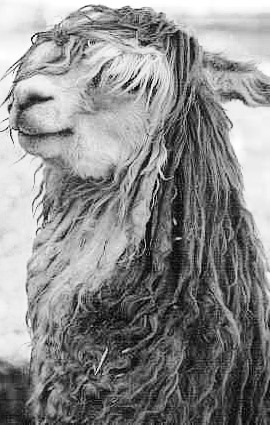
It all starts with the alpaca. Alpacas are native to the area surrounding Lake Titicaca (dividing Peru and Bolivia). Two groups of indigenous people, the Quechuas and Aymaras, are credited with first domesticating these animals, consuming their meat, spinning their fiber into clothing, and burning their manure for fuel. |
|
|
 |
|
|
|
|
|
|
 |
|
|
 |
|
|
|
|
|
|
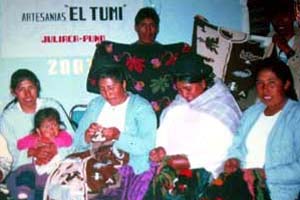
El Tumi |
|
|
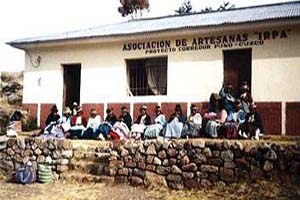
IRPA |
|
|
|
|
|
|
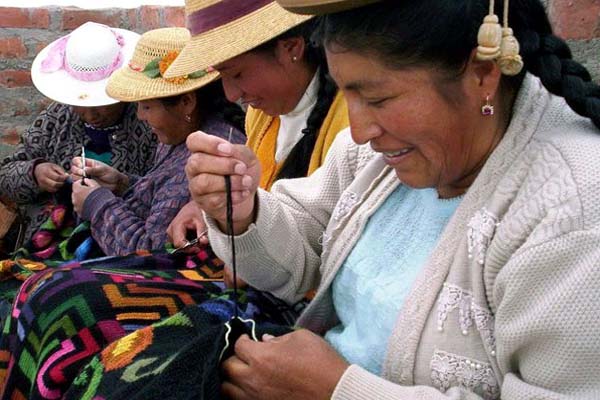
Cochiraya � Puno is a women�s cooperative making distinctive alpaca knitwear. The cooperative is made up of sixty indigenous women from two smaller workgroups El Tumi and Irpa. Marketing their alpaca knitwear will greatly improve the financial outlook of these women and their families. |
|
|
|
 |
|
|
 |
|
|
|
|
|
Their handiwork is lovely and sophisticated, their designs appealing. They have the ability to produce high quality garments in a consistent manner. Obviously, the alpaca clothing market is saturated in their immediate area; therefore, they are looking to market on a bigger scale |
|
|
|
|
|
|
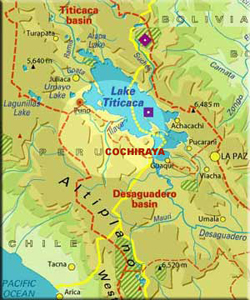
Lake Titicac, where we are located |
|
|
|