|
|
English
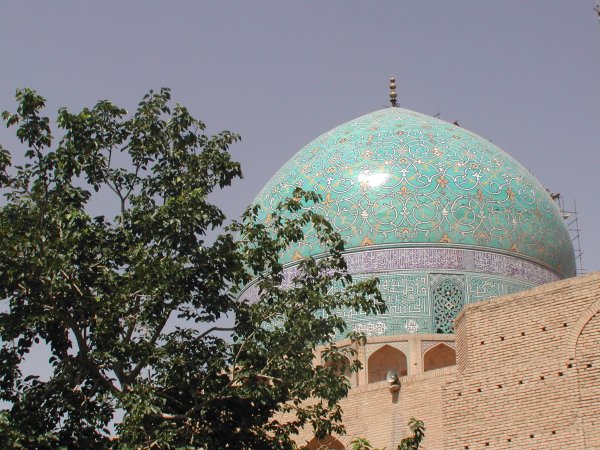
Isfahan is the capital of Isfahan Province and is the third-largest city of Iran. The city situated at the foot
of Zagros mountain at an altitude of 1,590 m on the north bank of the Zayandeh River
about 320 km south of Tehran. Isfahan has a pleasant climate for most of the year but
it may get cold in winter.
Isfahan is a city you want to visit. The literal translation for the Persian proverb "Isfahan nesfeh jahan" is "Isfahan
is half of the world." This proverb was coined in the 16th century to express the greatness of the city.
Isfahan besides being one of the finest art cities in the world and rich in history, it is also one of
the Iran's largest industrial, agricultural, and handcrafts production centers.
Population is over one million. Isfahan has many outstanding examples of medieval Islamic architecture.
|
Deutsch
Isafahan ist die Hauptstadt der gleichnamigen Provinz und die drittgrösste Stadt des Iran. Die Stadt liegt
an den Füssen der Zagros Berge auf einer Höhe von 1590 Metern auf der nördlichen Seite des Zayandeh Flusses,
ungefähr 320 km südlich von Teheran. Das Klima ist sehr angenehm, kann aber kalt werden im Winter.
Isfahan ist eine Stadt die es sich lohnt zu besuchen. Die wörtliche Übersetzung des persischen Sprichwortes
"Isfahan nesfeh jahan" ist "Isfahan ist die halbe Welt". Das Sprichwort kommt aus den 16. Jahrhundert als Isfahan das
Zentrum und die Hauptstadt des Persischen Reiches war. Die Stadt ist reich in Kunst und Geschichte und heutzutage auch
eine der grösten Zentren in Iran auf den Gebieten der Industrie, Landwirtschaft und der Produktion von Kunsthandwerk.
Isfahan hat über eine Million Einwohner und ist bekannt für die ausserordentliche mittelalterliche islamische
Architektur.
|
|
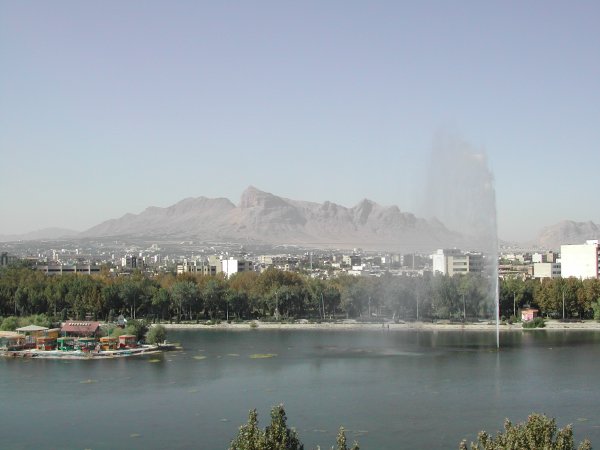 |
The Zayandeh River is flowing through Isfahan. |
Der Zayandeh Fluss fliesst durch Isfahan. |
|
|
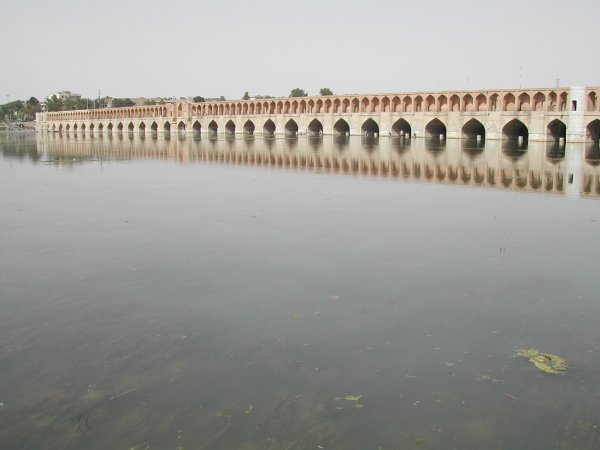
Pol-e Si-o-Seh, the bridge of 33 arches, is 160m long and was built 1602. |
Pol-e Si-o-Seh, die Brücke der 33 Bögen, eines der Wahrzeichen Isfahans, ist 160 m lang
und wurde 1602 erbaut. |
|
 |
|
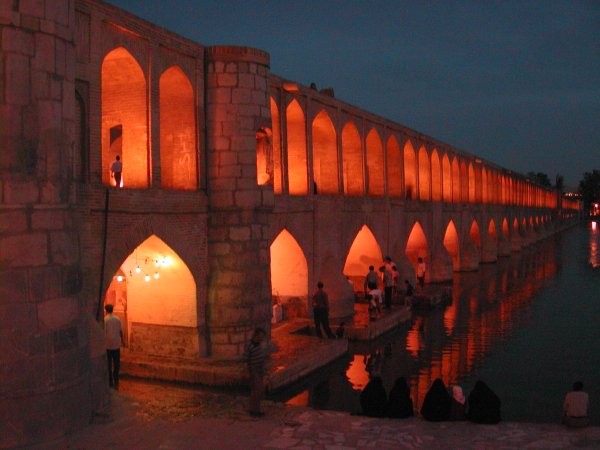 |
Pol-e Si-o-Seh at night, a popular meeting spot with its tea-houses. |
Die Pol-e Si-o-Seh am Abend ist ein beliebter Treffpunkt mit ihren Teehäusern. |
|
|
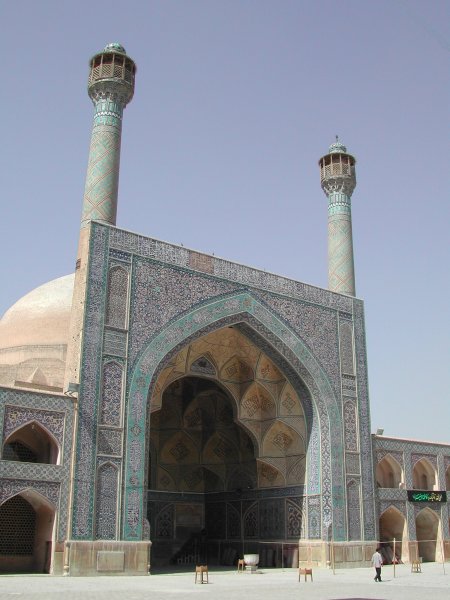
Jameh Mosque |
Jameh Moschee |
|
 |
|
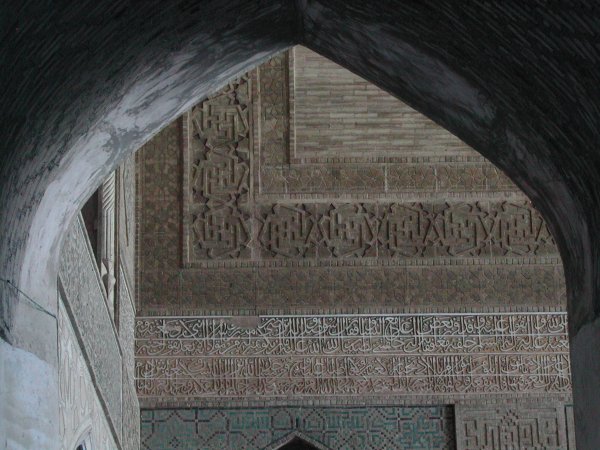 |
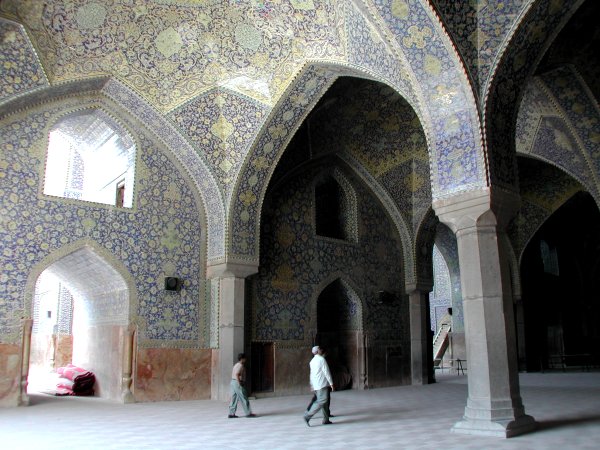
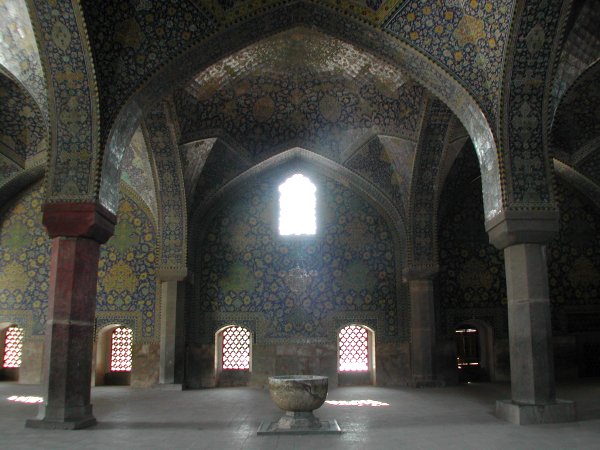
This mosque was built between the 11th and 18th century and displays all the many
different styles which were used during history. |
Diese Moschee wurde zwischen den 11. und 18. Jahrhundert gebaut. Viele verschiedene
Baustile können da bewundert werden. |
|
|
|
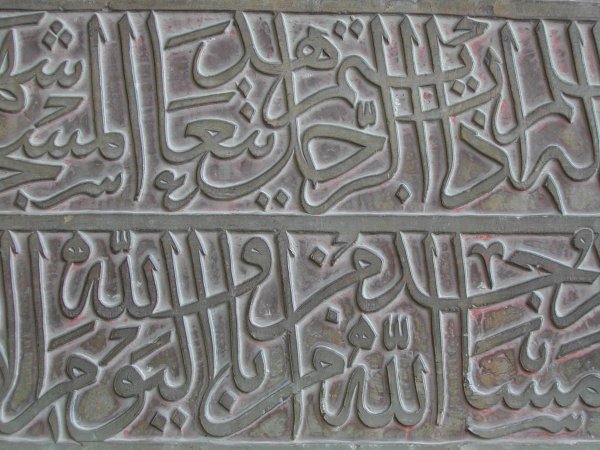 |
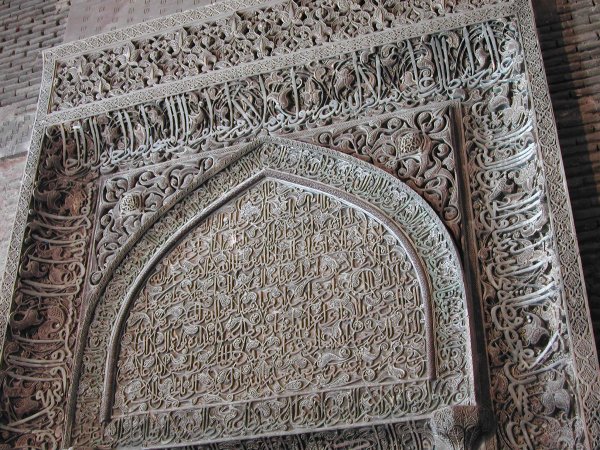
Ancient inscriptions of the Quran. |
Alte Koran Verse. |
|
|
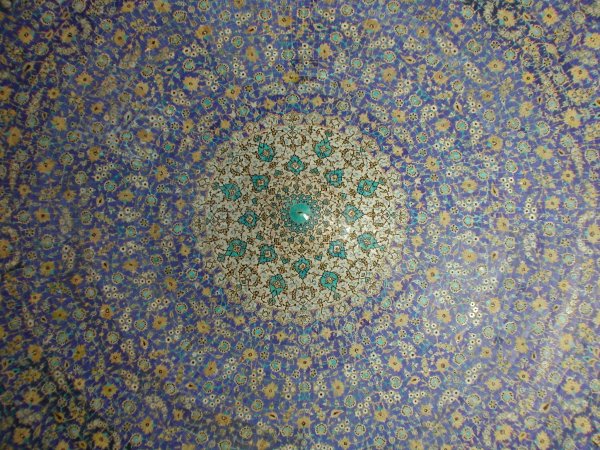
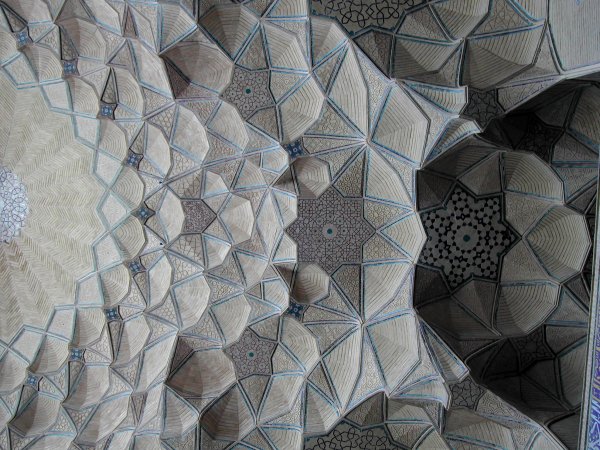
Not a computer generated fractal image, but a wonderfully delicate
ceiling. |
Nicht eine vom Computer berechnete Fraktalzeichnung, sondern eine
kunstvoll ausgearbeitete Decke. |
|
 |
|
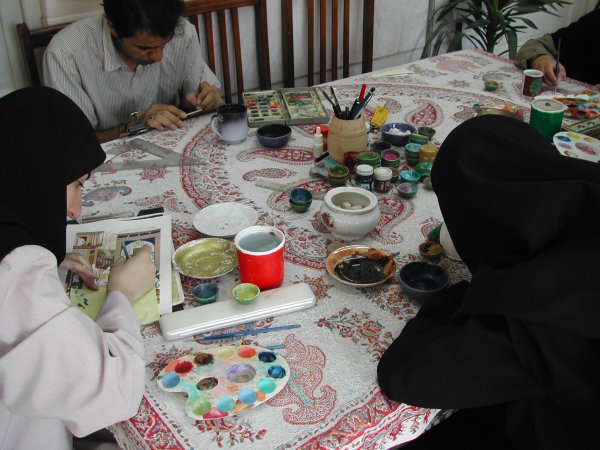 |
Isfahan is also a center for handycrafts. The city is especially well known
for its miniature paintings. Here students learning the art. |
Isfahan is auch bekannt als ein Zentrum des Kunsthandwerks. Eine Spezialität
ist das Malen von Miniaturen. |
|
|
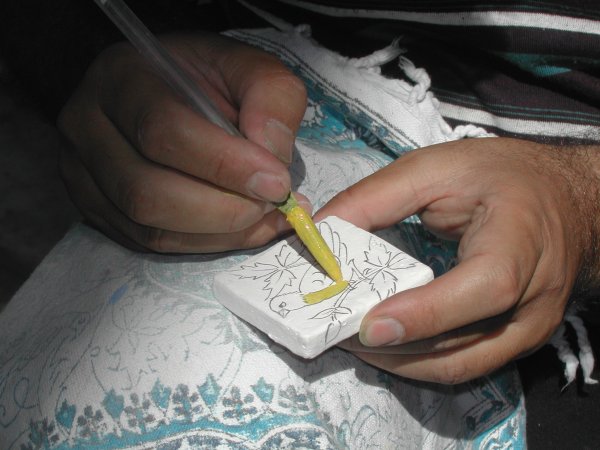
Another speciality are the colourful tiles. |
Eine andere Spezialität sind the farbenfrohen Kacheln. |
|
 |
|
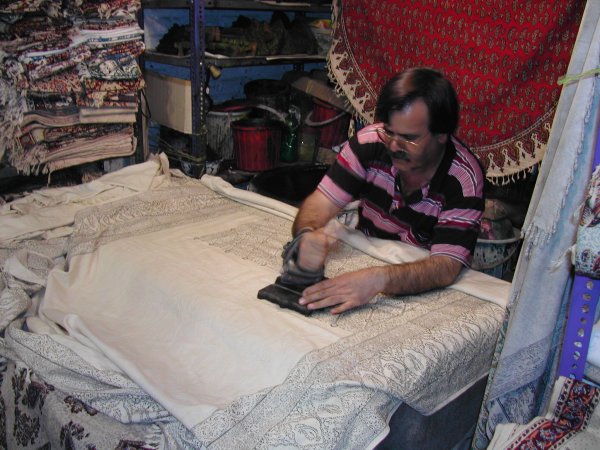 |
There is also a specific Isfahani style of printing textiles. |
Textilien werden auch in einem ganz speziellen Isfahan-stil bedruckt. |
|
|
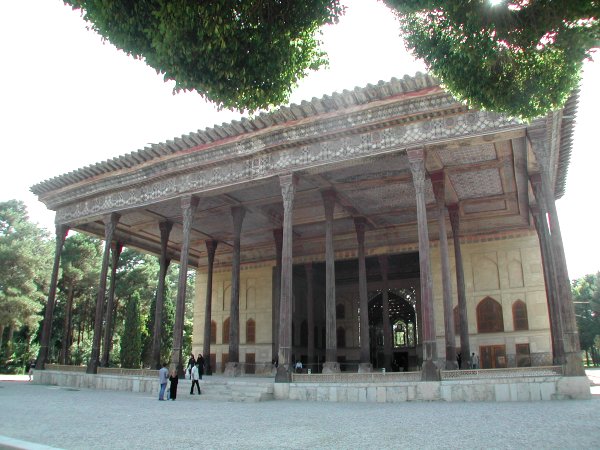
Chehel Sotoun, an old palace of the Shah. Name means 40 and indicates the multiplicity,
there are 20 columns and see the other 20 in the reflecting pool. |
Chehel Sotun, ein alter Königspalast. Der bedeutet 40, 20 Kolumnen halten das Dach, und
20 wiederspiegeln sich im nahestehenden Wasserbassin. |
|
 |
|
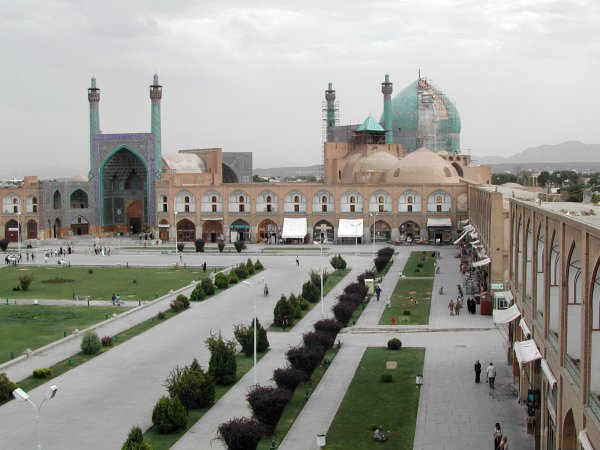 |
The Imam Square, previously known as Naghsh-e Jahan
square is a huge open space square, one of the largest in the world |
Der Imam Platz, vorher bekannt als the Naghsh-e Jahan Platz ist
einer der grössten Plätze der Welt. |
|
|
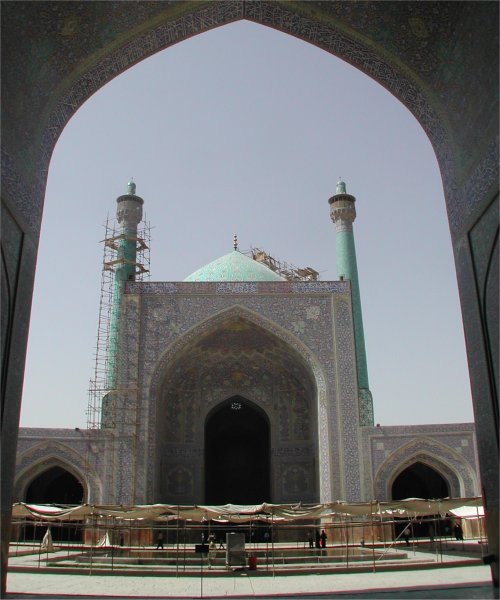
Covered in blue tiles, the Imam Mosque was completed 1629. |
Die ganz mit blauen Kacheln bedeckte Imam Moschee wurde um 1629 fertiggestellt. |
|
 |
|
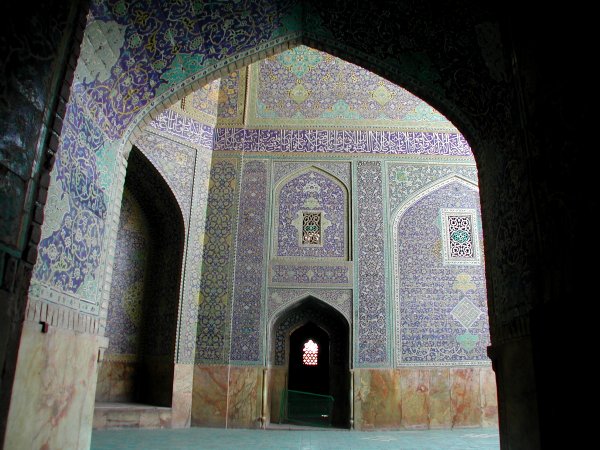 |
It was built over a period of 26 years by Shah Abbas I (Safavid Period) in the
early 17th century. |
Der Bau dauerte 26 Jahre, bei Shah Abbas I. in der Safaviden Zeit im frühen
17. Jahrhundert. |
|
|
|
|
|
|
|
|
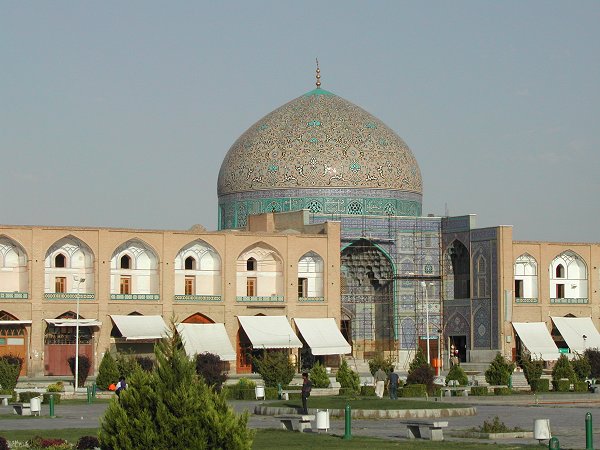
Sheik Lotfollah Mosque, built 1602 - 1619. |
Die Scheich Lotfollah Moschee, gebaut 1602 - 1619. |
|
 |
|
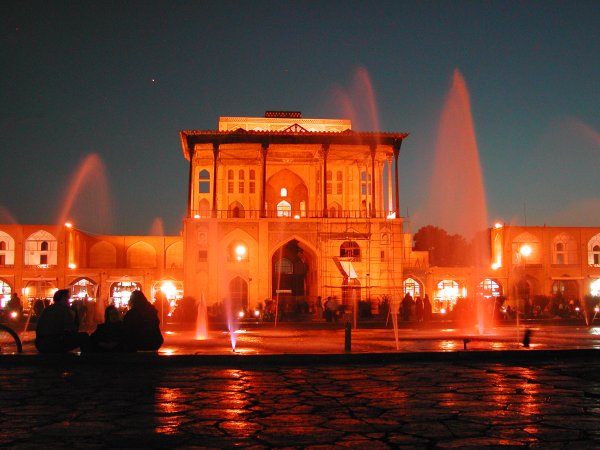 |
Ali Qapu Palace, at night. |
Eine Nachtansicht des Ali Qapu Palastes. |
|
|
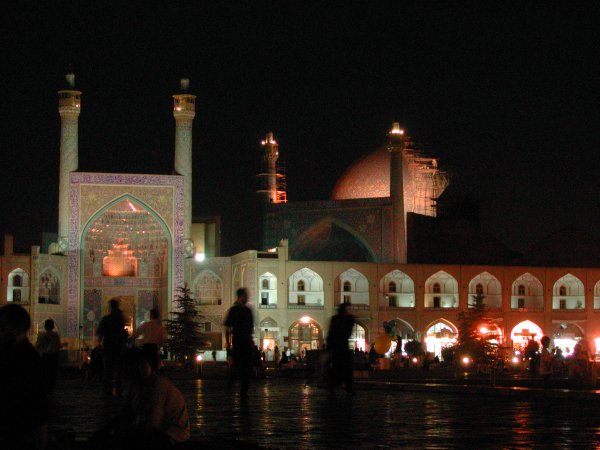
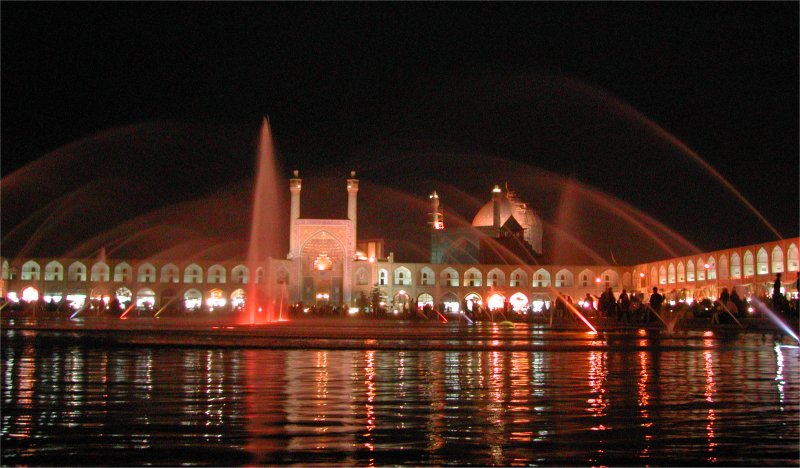
Night view from the Imam Square. |
Eine Nachtansicht vom Imam Platz. |
|
 |
|
 |