| 1. |
Memorize the
acronym for using an extinguisher: "PASS." It stands for
"pull, aim, squeeze, sweep." |
| 2. |
Make sure the
fire extinguisher is upright. |
| 3. |
Remove the
plastic tie from the handle. |
| 4. |
Pull the pin
from the handle. |
| 5. |
Aim the nozzle
low, while keeping the extinguisher upright. |
| 6. |
Squeeze the
handle. The substance will be released. |
| 7. |
Move in toward
the fire, keeping the extinguisher focused on the base of the
fire, when you can see that it's being put out. |
| 8. |
Sweep the
extinguisher from side to side until the fire is out. |
| |
|
Tips: |
|
Place the fire
extinguisher by an exit so that you can leave if you notice the
fire becoming too large for you to extinguish yourself. |
|
Keep
extinguishers in the kitchen and the garage - but never near the
stove. If a fire breaks out at the stove, you want to be able to
grab your extinguisher from elsewhere. |
|
Replace or
refill your extinguisher once it has been used, even if only a
little material was released. |
|
Teach everyone
in your family how to use a fire extinguisher. |
|
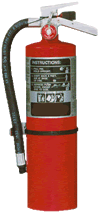
The suggested
type and size of fire extinguisher for home use is Dry Chemical
ABC, size 2-A:10-B:C. |
|
|
|
Warnings: |
|
If a smoke
detector goes off in your home, you literally have seconds to
respond. There is absolutely no time to gather possessions, pets
and possibly even each other. Your best response is to leave your
home immediately, gather at your prearranged meeting place and
call 911 from a neighbor's home. |
|
Never go back
into the house once you've escaped from a fire. |
|
Never turn
your back on a fire, even if you've extinguished it - it may flare
up again. |
|
Try not to use
up all the extinguishing material in one blow. |