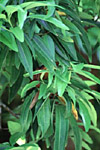
HERBS OILS
Cinnamon Essential Oil

cinnamomum zeylanicum

cinnamomum zeylanicum

CAUTIONS
Use only cinnamon leaf oil, cinnamon bark is a skin irratant.
Use in moderation and always dilute well
with consentrations of no more than 1%.
Sensative skin people should skin test first.

PROPERTIES
sensual, stimulant and digestive

Essential oil of cinnamon is steam distilled
from leaves and young twigs of the cinnamon tree,
found in East India and Ceylon.
Enjoyed for centuries and one of the
most valued spices in the trade.

Warming, Lifting and Stimulating effects
of cinnamon are useful in restoring the system.
Use well dilited in massaging oil, its warming properties
help to relieve discomfort of cold, damp weather.
Spicy fragrance, pleasant to use as a room scent,
removes unwanted odors.
Natural insecticide, keeps moths away.

Blends well with;
frankincense
orange
ylang ylang
clove
lavender
nutmeg


SOURCE
Aromatherapy Guide Book,
by Art, Candle & Fragrance, a division of Ganz
(Canada)800-263-2311 & (USA)800-724-5902
www.ganz.com
Cinnamon Leaf Organic Essential Oil 1/3 oz: K

Cinnamon Leaf Organic Essential Oil 1/3 oz: K

Cinnamon leaf oil is distilled from the leaves of the same tree that produces cinnamon bark oil. The aroma is more reminiscent of cloves than cinnamon due to the large amount of eugenol in the oil. It is often used in Oriental fragrances. Use with care, cinnamon leaf can irritate the skin. Aromatherapy benefits: refreshing, vitalizing. Essential, absolute and resin oils are volatile, fragrant materials extracted from the root, bark, wood, seed, fruit, leaf or flower of a single plant. The plants used to produce these oils are grown on certified organic fields and are third-party certified by Quality Assurance International; no synthetic chemicals are used in growing or processing them. Steam distillation and cold pressing are used to extract the essential oil from the plant. Essential oils and absolutes are very potent and should always be used sparingly and in conjunction with a reliable reference. Essential oils contain the odor, taste and medicinal properties of the plant itself, but in very concentrated form, with no base oil, alcohol, water or dilutants added.


Cinnamon (Cassia) Bark Essential Oil ½ oz: K

Cinnamon (Cassia) Bark Essential Oil ½ oz: K

The distinct, spicy aroma of cinnamon bark. Cassia, or Chinese cinnamon, is the spice sold as cinnamon in the United States. Ceylon cinnamon (Cinnamomum zeylanicum- see entry below under Cinnamon Bark) is considered the true cinnamon in most of the rest of the world. The two are similar in taste, though Ceylon cinnamon has a sweeter, more delicate flavor. The oils of both contain cinnamic aldehyde as the major component, with cassia having the larger amount. Caution: Cassia oil is very irritating to the skin and should be handled with care. Aromatherapy benefits: comforting, energizing, warming. Essential, absolute and resin oils are volatile, fragrant materials extracted from the root, bark, wood, seed, fruit, leaf or flower of a single plant. The plants used to produce these oils are grown on certified organic fields and are third-party certified by Quality Assurance International; no synthetic chemicals are used in growing or processing them. Steam distillation and cold pressing are used to extract the essential oil from the plant. Essential oils and absolutes are very potent and should always be used sparingly and in conjunction with a reliable reference. Essential oils contain the odor, taste and medicinal properties of the plant itself, but in very concentrated form, with no base oil, alcohol, water or dilutants added.


<<<< HOME >>>>

Shop for all-natural products at MotherNature.com


BANNER BY DOVE
TEMPLATE BY DARIGON

© Cosby Creek Web Design

Counter
Hosted by www.Geocities.ws

1