
| HOME | PREVIOUS | NEXT | LINK | CONTACT US |
|---|
| <<PREVIOUS | 1 |
|---|
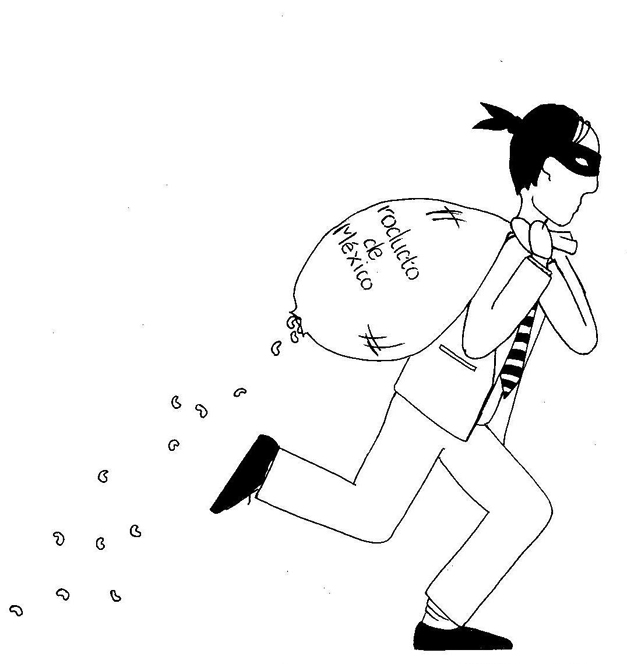
In Cochabamba, deprivation caused massive riots. Due to the violence, foreign water companies were eventually chased out of the country. In an interview with CBS, Raoul Saltiera, a protester in the uprising, reminisced, “It was good to fight for something that was ours.” Cochabamba’s story received a considerable amount of press. Worth reporting, however, was not the injustice against which people were battling, but the fact that they won. Bolivia’s victory is the exception to the rule. Instances of people losing their water rights are occurring with disturbing frequency in places ranging from Uruguay to Ghana. Developed countries like Germany, France, England and the United States —also the top countries that subscribe to eBay—are the major movers in the privatization movement. Customers from these countries, the same ones needing eBay restrictions, are the same customers resticting others’ freedom of choice. Some people are, quite literally, taking them away. In 2001, Larry Proctor, president of Colorado’s Pod-Ners seed company, went to Mexico with a friend. While he was there, he bought a bag of mayacoba beans. He had never seen their distinct color before: creamy with a yellowish tint. Proctor took the beans back to the States and cross-pollinated the species. Then after marveling at their successful growth, he applied for patent rights so he could officially own what had been the staple of the Mexican diet for centuries.3 Today, Proctor’s company owns the U.S. patent for any beans falling within a range of yellow on the color spectrum. United by shock, Mexican government officials and farmers alike were left speechless by the seed breeder’s bold move. Without forewarning, millions of Mexicans lost their livelihood and culture. In response to all of this, Ricardo Hernandez Munoz, a commerce specialist in the international affairs division of Mexico’s Department of Agriculture, stated, “I don't know where they got the idea that they can register something that’s used all the way back to the Aztecs!...I thought, well, let’s register hamburgers then. And let’s charge a penny for every hamburger that an American eats. It’s the same way. It’s something that’s part of the country. You cannot take it out and say ‘Hey, I discovered a yellow bean.’” However, without a sophisticated mechanism to document all the indigenous seeds from one’s country— which would be the only way poor nations can prove to the United States that something is still theirs—citizens from the global south will continue to go unheard. hen is it going to be enough? As we move toward an era of commodification, where anything can be bought, sold or taken for the right price, we may want to look to eBay for some advice. It took the auction site 11 years to realize that it needs boundaries to protect people from themselves and from each other. Even eBay restricts the sale of food and water. Wisdom does not necessarily come with age. The World Bank, World Trade Organization, and the International Monetary Fund—all institutions built on the premise of aid and poverty reduction—have been around for over half a century. Yet, under these institutions’ diligent care, the world’s poor are continually losing the rights to their natural resources and decisions are made on their behalf. They are still waiting, dying for some eBay-like intervention. What horrible customer service.
3. After Proctor gained patent rights, he proceeded to press charges against Mexican yellow bean exporters for “monopolizing the bean market.” Now, the people of Mexico have to purchase what was once theirs from the United States.
|