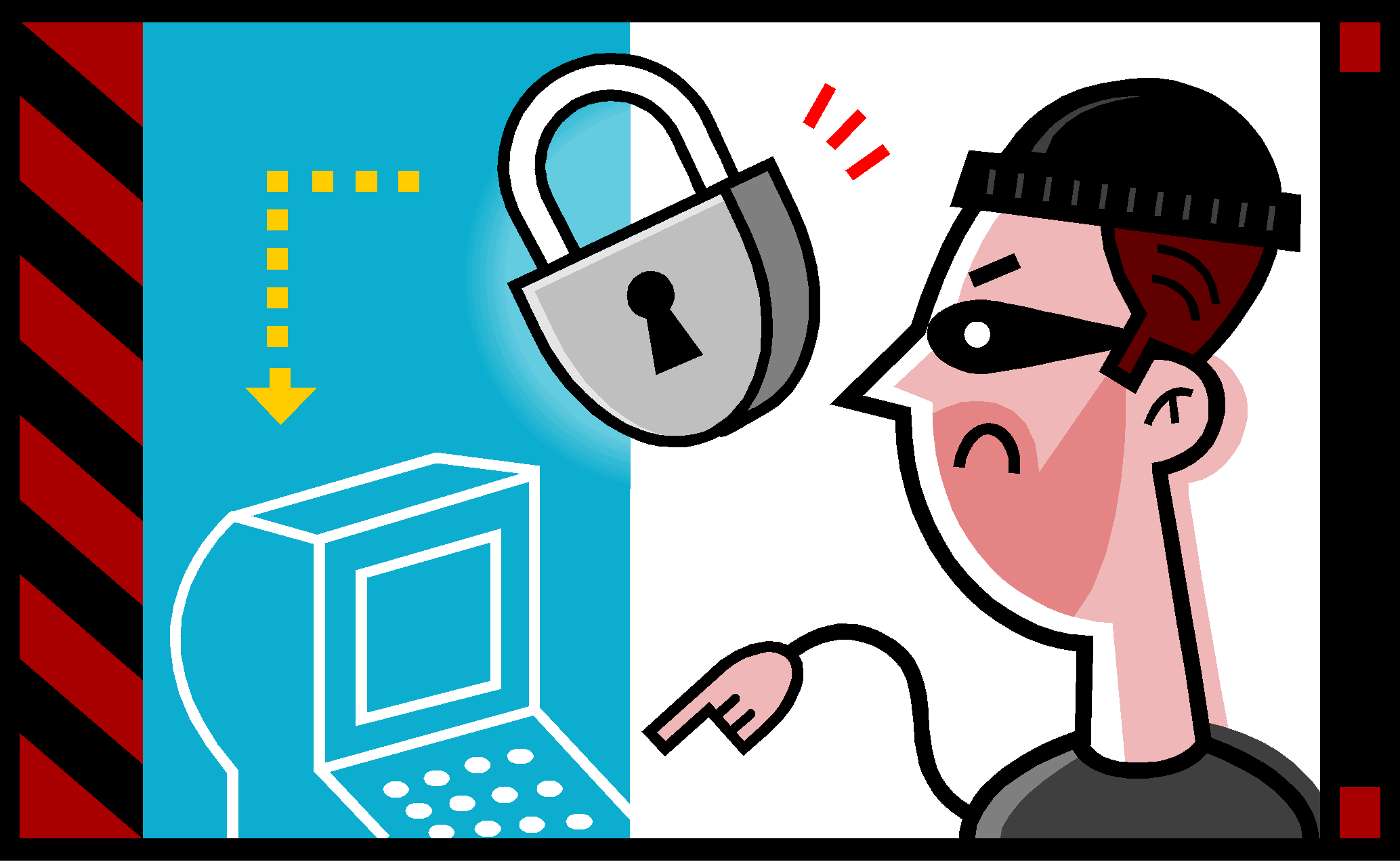
The Dangers on the web come in contact with a child, and involve the following main categories:
- Exposure to Inappropriate Material
- A child may be exposed to inappropriate material that is sexual, hateful, or violent in nature, or encourages activities that are dangerous or illegal. Children could seek out such material but may also come across it on the web via chat areas, social networking sites, E-mail, pop-ups, or instant messaging even if they�re not looking for it.
- Molestation
- A child might provide information or arrange an encounter that could risk his or her safety or the safety of other family members. In some cases child molesters have used chat areas, E-mail, and instant messages to gain a child�s confidence and then arrange a face-to-face meeting.
- Emotinal Disrution
- A child can come in contact with a person that could change them emotinally. Some cases involve brain washing and change in attitude. Internet relationships are usually involved with emotial disruption.
- Harassment and Bullying
- A child might encounter messages via chat, E-mail, on their social networking site or their cellular telephones that are belligerent, demeaning, or harassing. �Bullies,� typically other young people, often use the Internet to bother their victims.
- Viruses and Hackers
- A child could download a file containing a virus that could damage the computer or increase the risk of a �hacker� gaining remote access to the computer; jeopardizing the family�s privacy; and, perhaps, jeopardizing the family�s safety.
- Legal and Financial - A child could do something that has negative legal or financial consequences such as giving out a parent�s credit-card number or doing something that could get them in trouble with the law or school officials. Legal issues aside, children should be taught good �netiquette� which means to avoid being inconsiderate, mean, or rude.
|