| 1919 | |||||||||||||||||||||||||||||||||||||||||||||||||||||||||||||||||||||||||||||||||||||||||||||||||||||||||||||||||||||||||||||||||||||||||||||||||||||||||||||||
| Do you remember the dark months you held the sector at Mametz, The nights you watched and wired and dug and piled sandbags on parapets? .... Do you ever stop and ask, "Is it all going to happen again?" |
|||||||||||||||||||||||||||||||||||||||||||||||||||||||||||||||||||||||||||||||||||||||||||||||||||||||||||||||||||||||||||||||||||||||||||||||||||||||||||||||
| -- Siegried Sassoon, "Aftermath, 1919". | |||||||||||||||||||||||||||||||||||||||||||||||||||||||||||||||||||||||||||||||||||||||||||||||||||||||||||||||||||||||||||||||||||||||||||||||||||||||||||||||
| The Allied leaders assembled in Paris in 1919 to discuss among themselves the kind of peace treaties that should be made with the Central Powers. Over the course of the following year, they established the following peace treaties for the individual defeated powers: | |||||||||||||||||||||||||||||||||||||||||||||||||||||||||||||||||||||||||||||||||||||||||||||||||||||||||||||||||||||||||||||||||||||||||||||||||||||||||||||||
| 1919 - The Treaty of Versailles (Germany) 1919 - The Treaty of St Germain (Austria) 1919 - The Treaty of Neuilly (Bulgaria) 1920 - The Treaty of Sevres (Turkey). [Sevres was replaced by the Treaty of Lausanne in 1923]. 1920 - The Treaty of Trianon (Hungary) |
|||||||||||||||||||||||||||||||||||||||||||||||||||||||||||||||||||||||||||||||||||||||||||||||||||||||||||||||||||||||||||||||||||||||||||||||||||||||||||||||
| The greatest changes in post-war Europe were brought about by the collapse of the two great eastern European empires of Tsarist
Russia and Austria-Hungary. Both empires had collapsed even before the end of hostilities in 1918 and, in the absence of a centralised governing power, many of their subject peoples had seized the opportunity to set up their own governments and proclaim
new independent states. The Allied leaders were sympathetic to the principle of self-determination for the peoples of central and eastern Europe, who had previously lived as minorities in the Austrian and Russian Empires. The Allies' task in drawing up
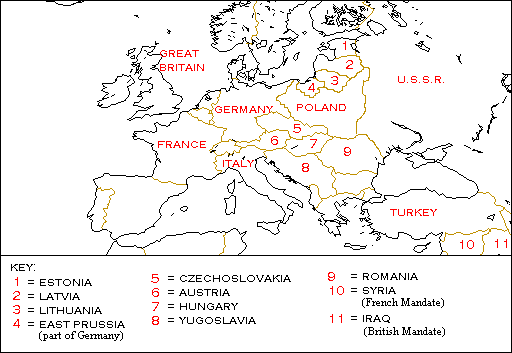
the peace treaties of 1919 and 1920 was to establish viable and equitable frontiers for the newly-emerging nations, out of the patchwork of nationalities in the region. As a result of their deliberations, there arose out of the Austro-Hungarian and Tsarist Empires the new nations of Estonia, Latvia, Lithuania, Poland, Czechoslovakia, Austria, Hungary and Yugoslavia. Overall, the creation of the new nations of Eastern Europe involved about 80 million people in a change of national allegiance. The change was a welcome one for those national groups whose struggles for self-determination had been rewarded with a national homeland. But in a region where so many races were so intertwined, it was impossible to draw new frontiers allowing self-determination to every minority. For the Germans, Austrians, Hungarians and Russians who now found themselves living as minorities in the newly-established states, the new frontiers were themselves a source of bitterness and ongoing discontent, especially among the Germans of Posen/West Prussia and the Sudetenland, who now found themselves citizens of Poland and Czechoslovakia, respectively. |
|||||||||||||||||||||||||||||||||||||||||||||||||||||||||||||||||||||||||||||||||||||||||||||||||||||||||||||||||||||||||||||||||||||||||||||||||||||||||||||||
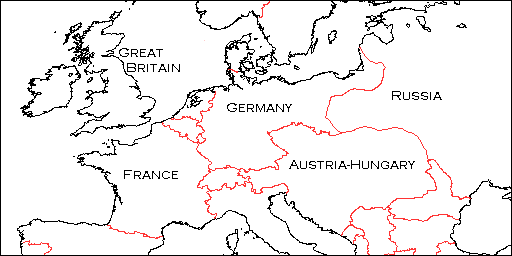
| Map 1: Europe in 1914 | |||||||||||||||||||||||||||||||||||||||||||||||||||||||||||||||||||||||||||||||||||||||||||||||||||||||||||||||||||||||||||||||||||||||||||||||||||||||||||||||
![]() |
|||||||||||||||||||||||||||||||||||||||||||||||||||||||||||||||||||||||||||||||||||||||||||||||||||||||||||||||||||||||||||||||||||||||||||||||||||||||||||||||
| Map 2: Europe in 1920 | |||||||||||||||||||||||||||||||||||||||||||||||||||||||||||||||||||||||||||||||||||||||||||||||||||||||||||||||||||||||||||||||||||||||||||||||||||||||||||||||
![]() |
|||||||||||||||||||||||||||||||||||||||||||||||||||||||||||||||||||||||||||||||||||||||||||||||||||||||||||||||||||||||||||||||||||||||||||||||||||||||||||||||
| The German Empire too was reduced, under the terms of the Treaty of Versailles. Germany lost all her overseas colonies to
Britain, France, Belgium, the United States and Japan, and even parts of Germany-in-Europe were ceded to her neighbours: Alsace-Lorraine (occupied since the Franco-Prussian War of 1871) was restored to France; Eupen and Malmedy were ceded to Belgium;
and Schleswig was restored to Denmark, from whom it had been captured in 1866. In addition, the coalfields of Germany's Saarland were placed under French rule for five years, to help France rebuild the industrial capacity destroyed in the German
occupation of her industrial heartland. Further east, the provinces of Posen, West Prussia and Silesia were lost to Poland, to allow the Poles an outlet to the sea. These terms meant that thousands of dispossessed and embittered Germans would flock
home to the Fatherland, and that their lost territories to the east would become a continuing source of grievance to the next generation of Germans. In addition to her territorial losses, Germany's Air Force was disbanded under the terms of Versailles; additionally, her High Seas Fleet was confiscated and her army limited to 100,000 men. The Treaty also demanded that Germany accept responsibilty for causing the war, and pay reparations for the damages incurred by the Allies. When the government ministers of the new German republic were presented with the terms of the Treaty of Versailles, they were furious at the terms offered, and at the fact that that they were not entitled to discuss the peace terms - only accept or reject them. For several days, the German government seriously considered refusing the terms, which would of course have meant the resumption of war. But by 1919, Germany was wracked by internal dissent and Bolshevik agitation, and was incapable of waging war against her neighbours. On 28 June 1919, the German and Allied delegates signed the Treaty of Versailles in the same Hall of Mirrors where Bismarck had proclaimed the German Empire in 1871; thus formally ending the First World War but, through the crushing terms imposed upon Germany, inadvertantly laying the foundations for the Second. |

|||||||||||||||||||||||||||||||||||||||||||||||||||||||||||||||||||||||||||||||||||||||||||||||||||||||||||||||||||||||||||||||||||||||||||||||||||||||||||||||
| or return to The Great War home page | |||||||||||||||||||||||||||||||||||||||||||||||||||||||||||||||||||||||||||||||||||||||||||||||||||||||||||||||||||||||||||||||||||||||||||||||||||||||||||||||