| 1918 | |||||||||||||||||||||||||||||||||||||||||||||||||||||||||||||||||||||||||||||||||||||||||||||||||||||||||||||||||||||||||||||||||||||||||||||||||||||||||||||||
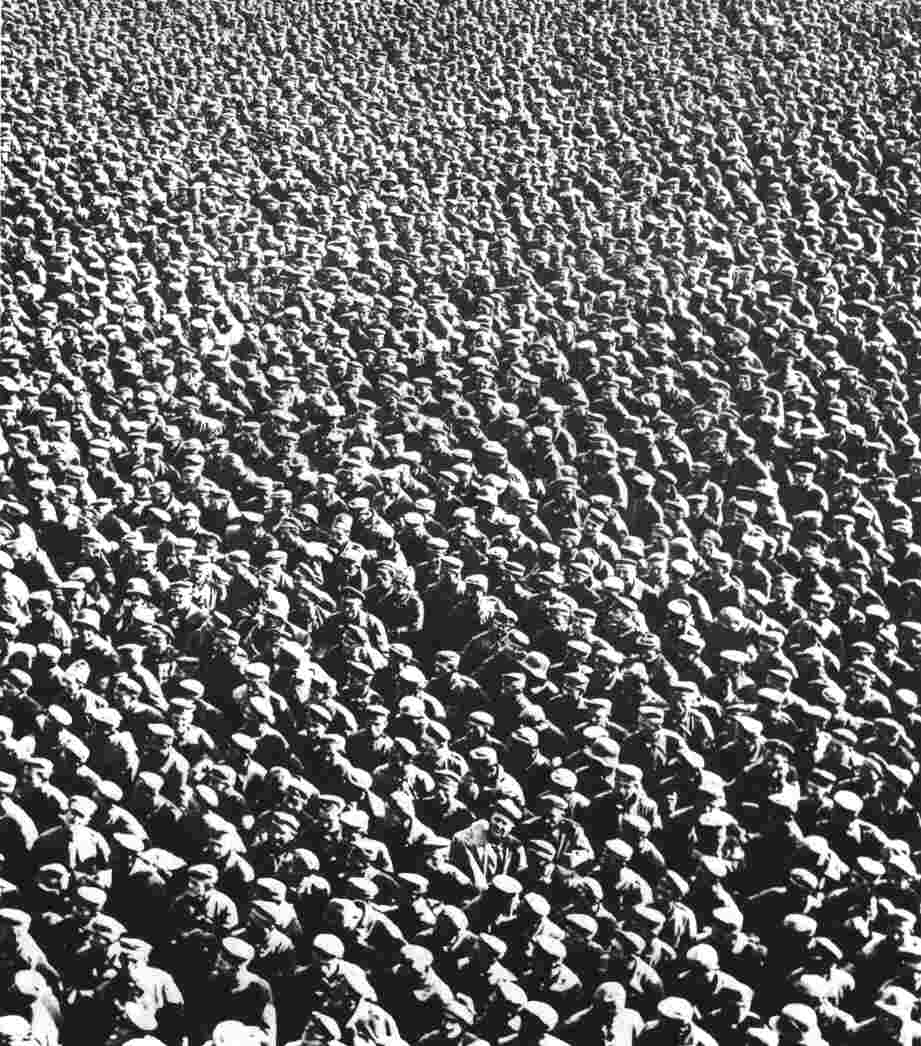
| They stopped fighting at 11 o'clock this morning. In a twinkling, four years of killing and massacre stopped, as if God had swept His omnipotent finger across the scene of world carnage and had cried 'Enough!' " |
|||||||||||||||||||||||||||||||||||||||||||||||||||||||||||||||||||||||||||||||||||||||||||||||||||||||||||||||||||||||||||||||||||||||||||||||||||||||||||||||
| -- Edwin L. James, The New York Times, 11 November 1918 | |||||||||||||||||||||||||||||||||||||||||||||||||||||||||||||||||||||||||||||||||||||||||||||||||||||||||||||||||||||||||||||||||||||||||||||||||||||||||||||||
| By the beginning of 1918, the balance of power in the west is shifting towards the Central Powers, as the collapse of Imperial
Russia releases from the Eastern Front German troops who can be transferred west. The German Commander-in-Chief, General Erich Ludendorff, is aware however that his numerical advantage is temporary, and that if he is to make the most of it he needs to
act quickly, before American troops start to arrive at the Western Front in numbers matching and, by 1919 outstripping, Germany's divisions transferring from the Russian Front. So, in a conference with his Western Front Army commanders at Mons in November 1917, Ludendorff resolves that in the Spring of 1918 Germany will mount a massive and decisive offensive against the British on the Somme and in Flanders. He is confident that, by concentrating all of Germany's reserves of manpower, artillery and war materiel into this one offensive, he will strike so hard that Britain will be knocked out of the war, and France forced to come to terms. His offensive is an all-or-nothing gamble: if it fails to end the war, blockaded Germany will find it impossible to replace the reserves of oil, rubber, fodder and manpower that it consumes. The German Spring Offensive of 1918 is planned to comprise six campaigns - two in the north against the British, then three diversionary attacks against the French in Champagne, culminating in a final knockout blow to the BEF in Flanders. In the northern campaigns - Operation Michael and Operation Georgette - the British are taken by complete surprise, and in desperate fighting are forced back forty miles on the Somme front and over ten miles in Flanders. But despite the depth of the BEF's retreat, the German offensive fails to break either the British line or their will to continue the war. When the diversionary attacks in Champagne likewise succeed in pushing deep salients into French and American positions, but fail to break through their frontlines, Ludendorff recognises that his gamble for outright victory has failed. He reverts to defensive warfare, withdrawing his troops from the salients they have won into more defensible positions, and abandoning the proposed knockout blow in Flanders. The Allies lose 500,000 men repulsing the German offensives of 1918, but they survive the assault that was intended to force their surrender. The German Army probably suffers the same number of casualties, but for Germany the loss is more severe in that it uses up the manpower released by the end of the Russian campaign without bringing the final victory that the troops were confidently led to expect. When the Allies seize the initiative, with a surprise attack by the British 4th Army at Amiens on 8 August, it becomes apparent that the failure of the Spring Offensive has sapped the German Army's will to fight on. On 8 August - "the black day of the German Army", in Ludendorff's words - British forces (with Australian and Canadian formations playing a prominent role) advance eight miles and capture over 13,000 prisoners, many of whom surrender en masse after offering only token resistance. |
|||||||||||||||||||||||||||||||||||||||||||||||||||||||||||||||||||||||||||||||||||||||||||||||||||||||||||||||||||||||||||||||||||||||||||||||||||||||||||||||
![]() |
![]() |
||||||||||||||||||||||||||||||||||||||||||||||||||||||||||||||||||||||||||||||||||||||||||||||||||||||||||||||||||||||||||||||||||||||||||||||||||||||||||||||
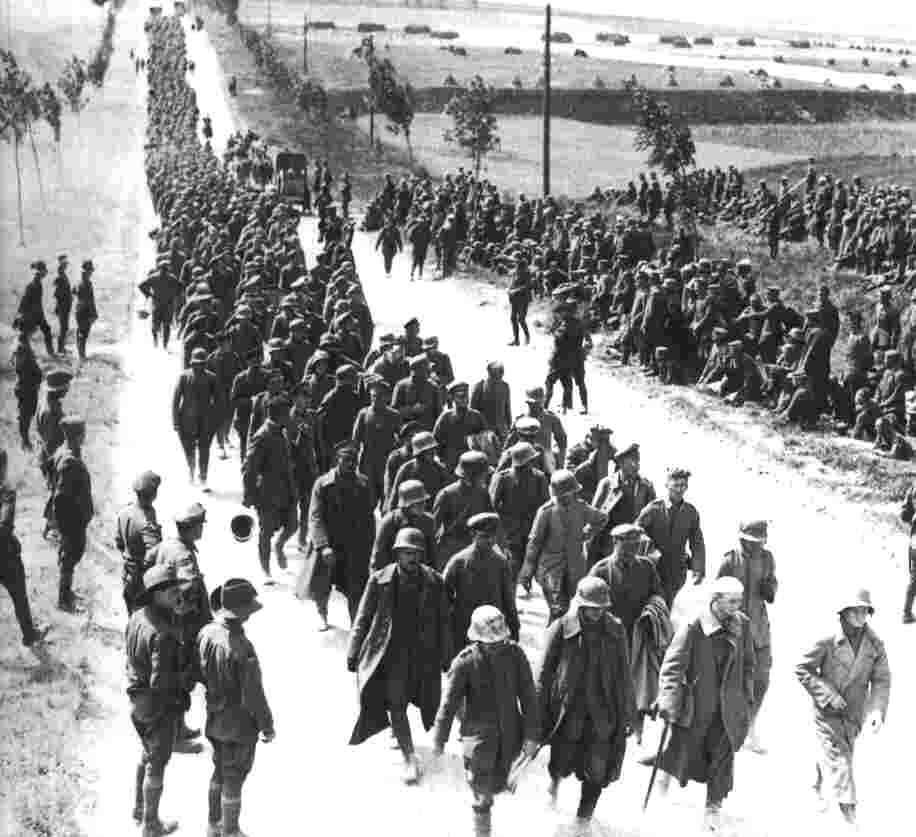
| Voting for peace with their feet: Some of the 188,700 prisoners taken by the British Army during the summer and autumn of
1918. Above - At the Battle of Amiens, in August. Right - At the attack on the Hindenburg Line, in September. |
|||||||||||||||||||||||||||||||||||||||||||||||||||||||||||||||||||||||||||||||||||||||||||||||||||||||||||||||||||||||||||||||||||||||||||||||||||||||||||||||
| The British advance from Amiens continues for four days, and stops only when progress is slowed by the Fourth Army's arrival at
the pitted battlefields of the Somme. Success at Amiens convinces the Allies that victory need not wait until the US forces are up to strength in 1919, but can be achieved in 1918. Against an enemy nearing the limits of reserves and endurance, they adopt
a new strategy of separate but simultaneous attacks by the Allied armies; with each attack broken off as soon as its impetus declines, but immediately succeeded by another attack nearby. When Fourth Army's advance from Amiens slows, the British Third
Army takes the initiative by advancing on Albert (21 August) and, when this assault slows on 26 August, the British First Army in Flanders goes on the offensive at the Battle of the Scarpe. For the remainder of the war, the British Army's advance will be
continuous, though often against fierce resistance. On the right of the Allied line, the French begin their advance from Noyon on 17 August, and on 12 September, the American Expeditionary Force fights - and wins - its first major battle of the war, in
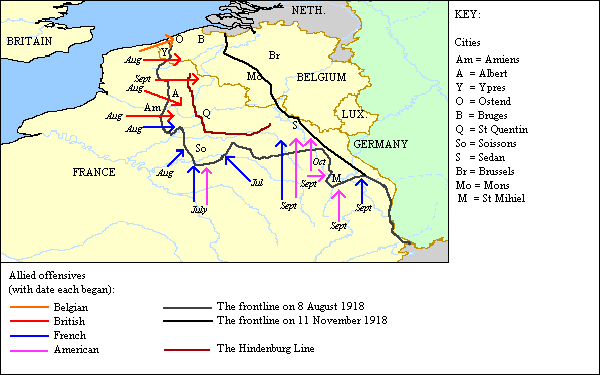
flattening the salient around St Mihiel that has been in German hands since 1914. The climax of the Allied advance comes in late September, with simultaneous offensives by the French and Americans towards Sedan in the Argonne region, by a Belgian-British-French Army group in Flanders, and by the British 4th Army which attacks - and breaches - the previously unbreakable Hindenburg Line on 29 September. |
|||||||||||||||||||||||||||||||||||||||||||||||||||||||||||||||||||||||||||||||||||||||||||||||||||||||||||||||||||||||||||||||||||||||||||||||||||||||||||||||
| The Final Allied Advance in the West: The Offensives of July - October 1918 | |||||||||||||||||||||||||||||||||||||||||||||||||||||||||||||||||||||||||||||||||||||||||||||||||||||||||||||||||||||||||||||||||||||||||||||||||||||||||||||||
![]() |
|||||||||||||||||||||||||||||||||||||||||||||||||||||||||||||||||||||||||||||||||||||||||||||||||||||||||||||||||||||||||||||||||||||||||||||||||||||||||||||||
| To this point, the German Army has conducted a generally orderly and fighting retreat. Ludendorff's goal has been to withdraw
in good order, no matter how far his troops are pushed back, so that with its Army intact Germany might negotiate peace from a position of relative strength. But on 29 September, this policy becomes untenable as, on the same day that Germany's main
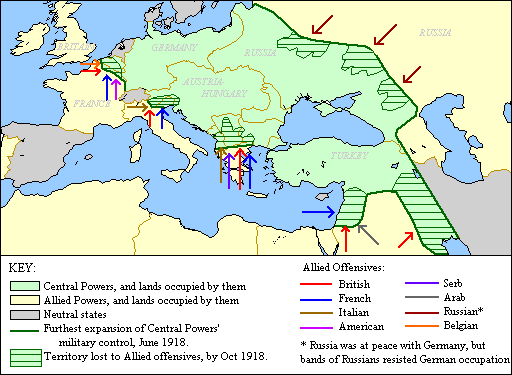
defences are breached in the west, Germany's allies fighting on the secondary fronts begin to collapse. Through the summer of 1918, the Central Powers have been on the defensive on all fronts, and with Germany no longer able to spare troops to reinforce her allies in the secondary theatres of war, their willingness and ability to fight on diminishes. After decisive defeats at Megiddo (on the Middle Eastern Front) and Vittorio Veneto (on the Italian Front), both Turkey and Austria are forced to request separate peace terms from the Allies, on 30 October and 3 November respectively. But the key collapse is on the Balkan Front, from which Germany has withdrawn the troops supporting her Bulgarian ally. On 15 September, a mixed force of Serb, Czech, Italian, British and French troops begin an attack out of Salonika against Bulgarian formations in southern Serbia, and within a week they have broken through the line. With her army in full retreat, Bulgaria requests an armistice on 29 September. The capitulation of Bulgaria leaves the Allies free to advance north through the Balkans, threatening from the south the heartland of the Austrian and German Empires. |
|||||||||||||||||||||||||||||||||||||||||||||||||||||||||||||||||||||||||||||||||||||||||||||||||||||||||||||||||||||||||||||||||||||||||||||||||||||||||||||||
| Allied Gains Against The Central Powers, July - November 1918 | |||||||||||||||||||||||||||||||||||||||||||||||||||||||||||||||||||||||||||||||||||||||||||||||||||||||||||||||||||||||||||||||||||||||||||||||||||||||||||||||
![]() |
|||||||||||||||||||||||||||||||||||||||||||||||||||||||||||||||||||||||||||||||||||||||||||||||||||||||||||||||||||||||||||||||||||||||||||||||||||||||||||||||
| With Germany threatened from both east and west, the German government appeals for peace negotiations on 4 October. They
approach President Wilson of the US, whom they expect will offer Germany easier terms than the French or British, who have suffered the war since 1914. Negotiations between Germany and the US continue for three weeks, as Germany's military position
progressively worsens. When Austria and Turkey conclude their respective armistices with the Allies, the desire for peace on the German home front becomes unstoppable. Between 4 and 9 November, anti-war and pro-Bolshevik uprisings erupt throughout Germany (mostly among war-weary soldiers and sailors), and on 7 November a German delegation crosses the frontline and begins peace talks with Allied representatives at Compiegne, France. Against a rising tide of internal violence and anarchy, William II abdicates as German Emperor on 9 November: he is replaced by a civilian government under a Socialist Chancellor, and Germany becomes a republic. On 11 November, the German delegation at Compiegne agrees to the Allies' terms for peace - which amount to virtually unconditional surrender - and an Armistice comes into effect at 11:00am the same day. The Great War is over. |

|||||||||||||||||||||||||||||||||||||||||||||||||||||||||||||||||||||||||||||||||||||||||||||||||||||||||||||||||||||||||||||||||||||||||||||||||||||||||||||||
| or return to The Great War Home page | |||||||||||||||||||||||||||||||||||||||||||||||||||||||||||||||||||||||||||||||||||||||||||||||||||||||||||||||||||||||||||||||||||||||||||||||||||||||||||||||