RESEARCHING:
ARCHAEOLOGY
BIBLICAL LAW
(Theonomy)
CHRONOLOGY
CUSTOMS
ETYMOLOGY
ETHNOLOGY
ETHICS
GENEALOGY
GEOGRAPHY
HERALDRY
HISTORY
LAW
LEGENDS
MAPS AND
MANUSCRIPTS
MIGRATIONS
MONUMENTS
PHILOLOGY
PHILOSOPHY
POLITICS
THEOLOGY
TRADITIONS
TRANSLATIONS
VEXILLOLOGY

(study of flags)

LINKS

Home Page

ARTICLES

NEWS

DISCUSSION PAPERS

BOOKS

HERALDRY

LINKS

Home Page

ARTICLES

NEWS

DISCUSSION PAPERS

BOOKS

HERALDRY

Heraldry & Flags

Lord Lyon King of Arms (left)
High Seanachaidh of Scotland
and the highest authority of
Scottish Heraldry. He is seen
here wearing his ceremonial
tabard.

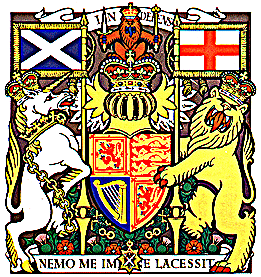
Above is the Royal Arms
as they pertain to Scotland
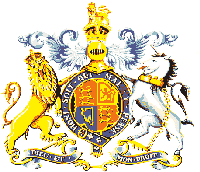
The so called British arms
below only pertain to Wales
and England - not to the
whole of Britain. There Is
no standard coat of arms that
can represent all of Britain.

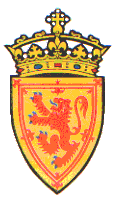
The ancient Royal
Standard of Scotland

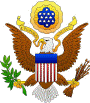
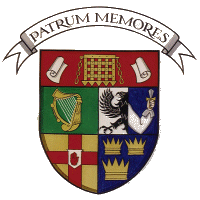
Above are the heraldic emblem for the United
States and the arms of the Herald of Ireland.

The colours and shapes of heraldry have been so long in our history that they are sunk deeply into our subconscious minds, and we respond accordingly to their beauty. Heraldry in its modern form is unique to Western civilisation. However, the origins of heraldry go far back into the mists of time and are symbols of the origins of our race.

The modern science of heraldry basically started at the time of the Norman invasion of England. Although ancient even at that time, it began to be regulated from that time onward with the formation of Heralds, who �visited� great houses to establish legitimacy of arms. This was due to the fact that arms were a means of identification - i.e. the same as a logo is used today.

One myth that needs to be dealt with is that there is no such thing as a family coat of arms. Arms are granted to individuals, cities, towns, corporations, organisations - but not families. So beware of the bucket shops who sell �family coat of arms� - they only want your money.

In Scotland the rules are quite different to the likes of England for instance. The clansman and woman can wear the crest of the Chief as a �belted crest� - this indicates their membership of the clan and their allegiance to the Chief.

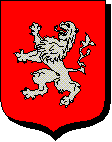
When you study the diverse emblems used on the arms (these are called charges) you will see the emblems used by ancient Israel. A classic example is the lion, one of the emblems of Judah. The ship, galley or lymphard, which is the symbol of Zebulun - which can be found in large numbers in Scottish heraldry, especially in the Clan Donald / MacDonalds and Clan Campell, and which is not found in the heraldry of The Netherlands, believe it or not!

More to come on this most interesting subject which will include vexillology or the study of flags .

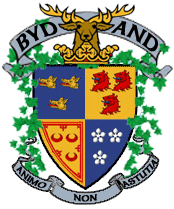
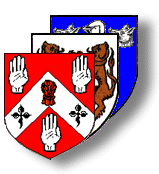
The arms of the Marquis
of Huntly - Chief of the
Clan Gordon.

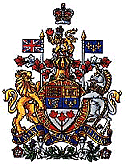
The arms of Canada

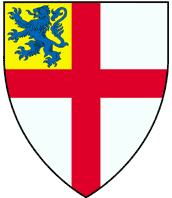
Arms of Northumbria
(north England) showing
the lion (Judah)

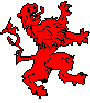
The lion is one of the symbols
of the Tribe of Judah

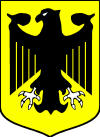
A heraldic eagle on the
arms of Germany the
symbol of Dan

Hosted by www.Geocities.ws

1