
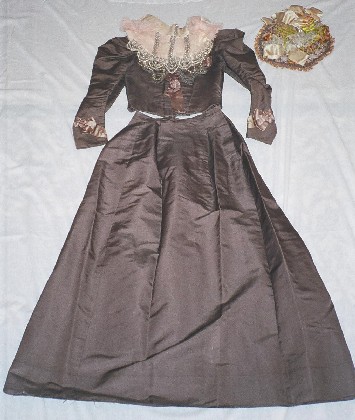
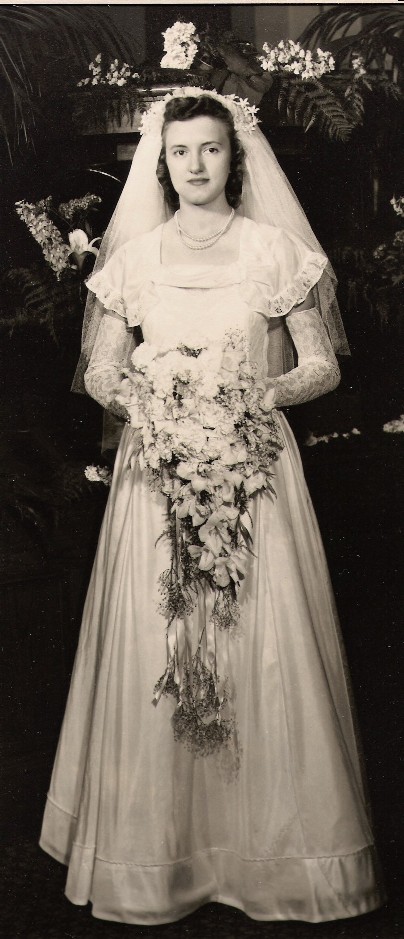
Wedding gowns are magic. They are a symbol of romance, but they also reflect the history and tradition of the world. �Brides have always worn the most luxurious fabrics and the demand for opulent textiles helped spur exploration of the world and fueled the economy of nations.�
Until the 1960's the silhouette of the wedding dress followed the current styles of everyday dressing. After that, the wedding gown became a chance to play with the pageantry of the past. The great variety of styles, fabrics, details and embellishments makes today�s wedding gown an expression of personal dreams as well as a commentary on history and society.
While today�s wedding dresses represent romance, it was only in the last few hundred years�make that generations, in some cultures�that love was considered to be important to marriage. It is probable that in the earliest marriages the great emphasis on the bride�s appearance was due to the fact that she represented her family in a public contract. The legacy of the bride�s dress is a reflection both of the historical significance of marriage and the importance of a beautifully clothed bride for the family�s status and reputation. The survival of a family � and more broadly, a culture � depended on the success of the marital union. The celebration of the wedding is one of the most ancient traditions still followed today.
An Egyptian bride was traditionally draped in gossamer layers of accordion-pleated white linen.
In Roman weddings, the color white, which symbolized joy, was often worn for weddings. The bride wore a new tunic, a gift from her parents, which was a symbol of her virginity. And the Roman bride wore a veil, although it was saffron colored, symbolizing the flame of Vesta, the goddess of the home and provider of life.
The word �wedding� came from the Anglo-Saxon practice of the groom�s paying the bride�s father a fee, a wedd.
Veils went out of fashion during the 16th century and did not come back until the 1800�s.
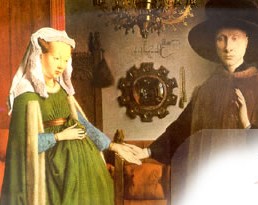
During this time, the color white fell out of favor. If you were going to invest a lot of money in a gown, it made sense to shell out for one that was practical enough to be reused after the wedding. In the colonies, brides in the newly settled country generally wore their best dress. It wasn�t until after World War II that the wedding gown became a dress to be worn only once.
Victorian Era:
Unlike most members of her royal family, Queen Victoria married for love. Her 1840 wedding idealized romance and set a precedent for woman�s right to choose her own husband. No marriage has had as significant an influence on our modern weddings as Victoria�s.