With all of the information associated with ADUs in the State of California, it can be daunting for property owners to digest it all. The conent shown below summarizes the pertinent facts and regulations on ADUs in an easy- to-understand manner. While the information should not be considered a comprehensive guide, it gives an overview and background on ADUs in the State of California.
So what exactly is an “Accessory Dwelling Unit” anyway? Before diving into some of the regulations associated with ADUs, it makes sense to provide a clear definition:
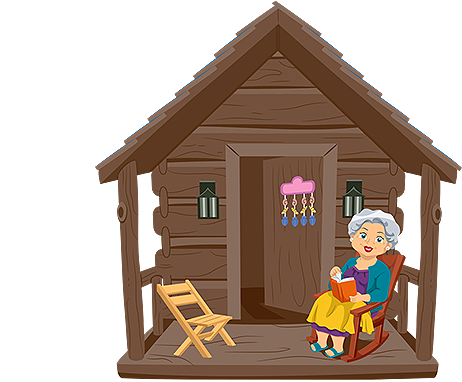
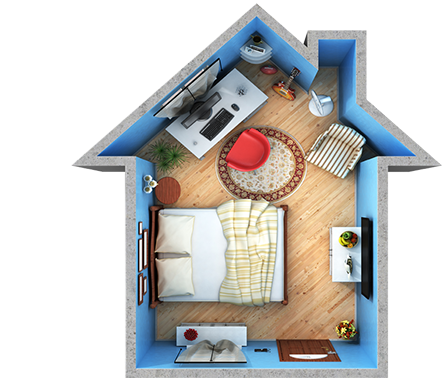
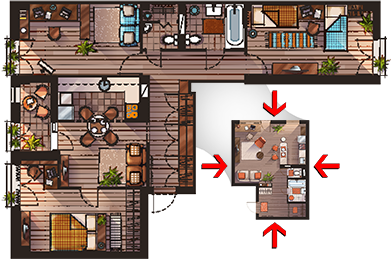
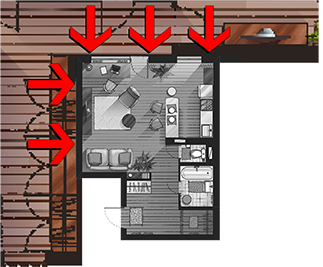
An ADU can be defined as a smaller, independent residential dwelling unit located on the same lot/property as a stand-along (or detached) single-family home.
ADUs also go by other names:
Accessory Apartments
Secondary Suites
Granny-flats
In-law Units
Backyard Cottages

Now that we have defined what an ADU is, let’s go over some of the benefits associated with them, many of which are related to financial incentive.
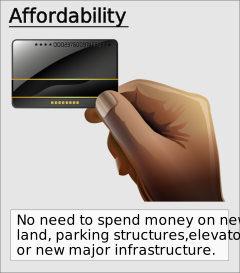
No need to spend money on new land, parking structures,elevators or new major infrastructure.
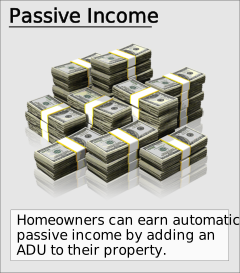
Homeowners can earn automatic, passive income by adding an ADU to their property.
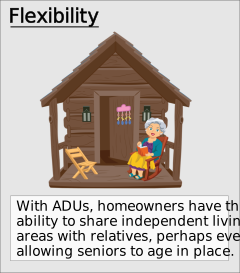
With ADUs, homeowners have the ability to share independent living areas with relatives, perhaps evenallowing seniors to age in place.
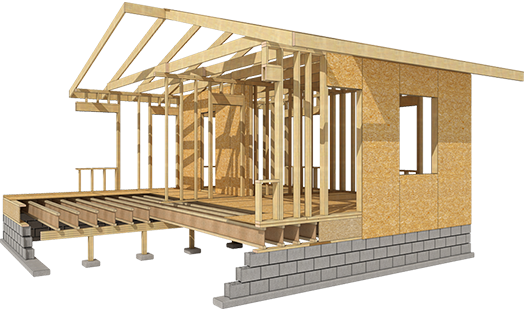
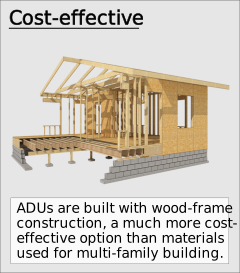
ADUs are built with wood-frame construction, a much more cost-effective option than materials used for multi-family buildings.
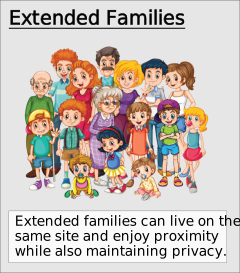
Extended families can live on the same site and enjoy proximity while also maintaining privacy.
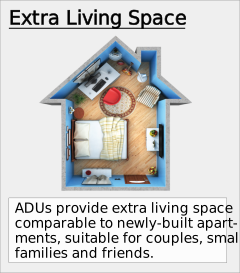
ADUs provide extra living space comparable to newly-built apartments, suitable for couples, smallfamilies and friends.
Lots of benefits huh? Well, let’s keep in mind that up until very recently, local jurisdictions within the State of California have maintained strict zoning regulations precluding many single-family properties from having a quality secondary unit.
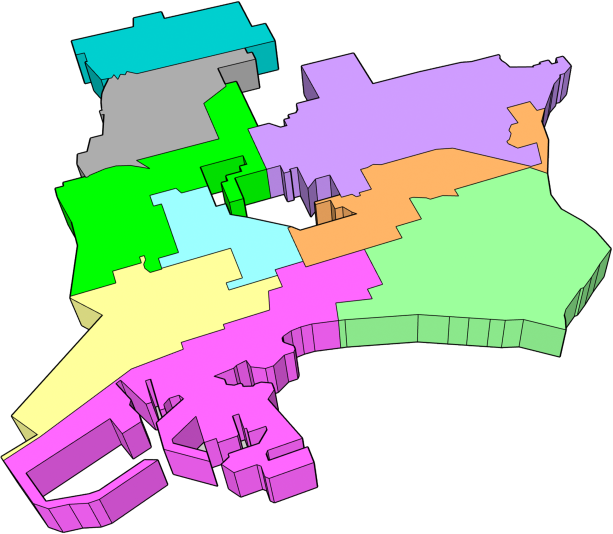
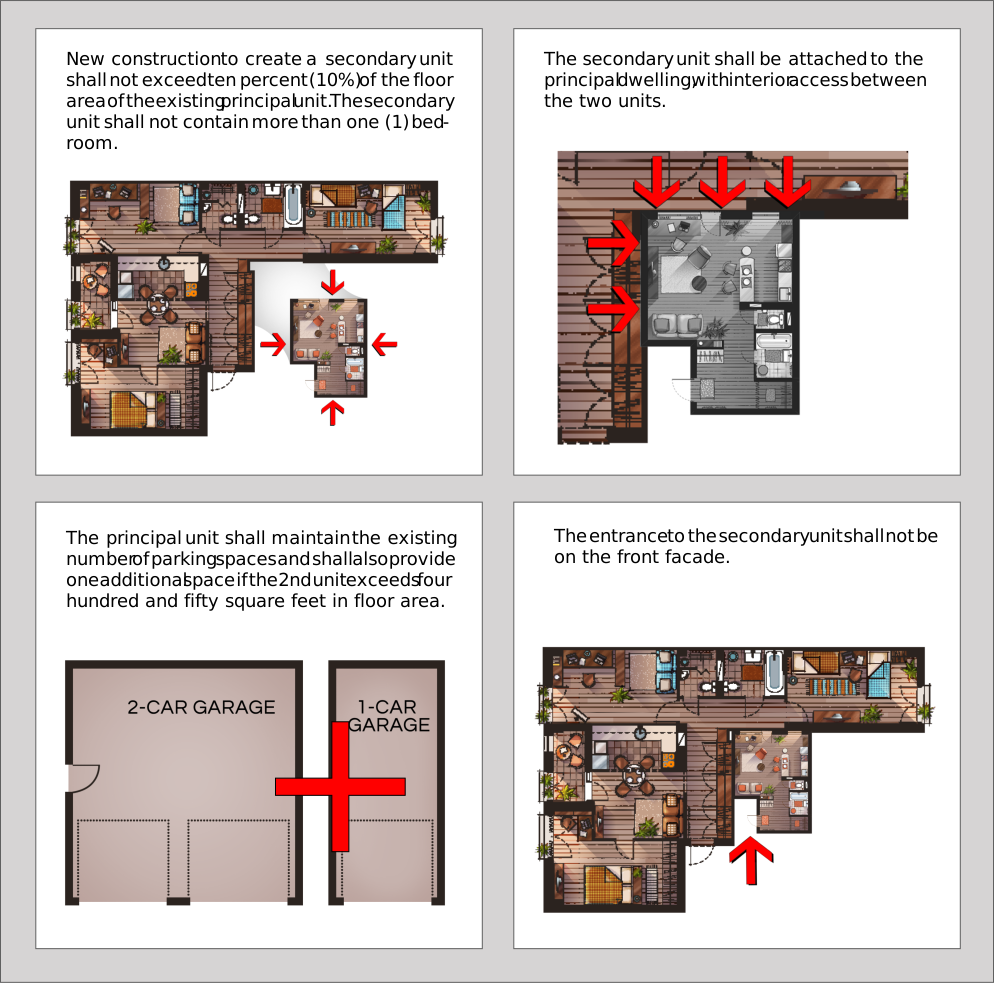
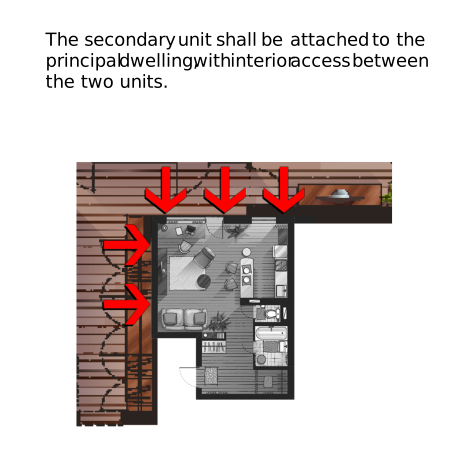
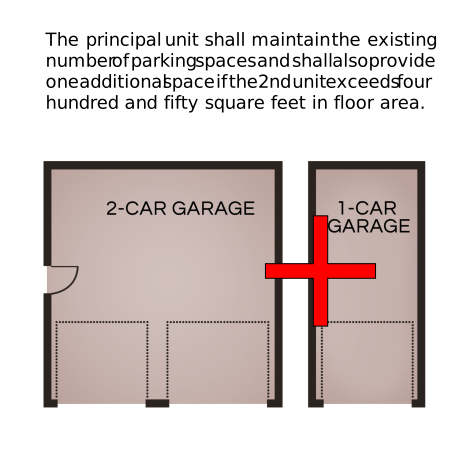
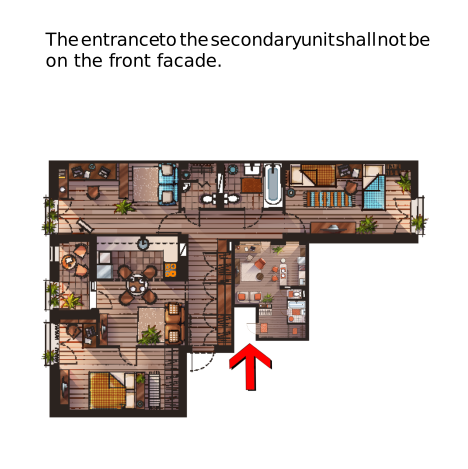
Let’s take a look at the City of Long Beach, CA for example. Prior to state- mandated laws regarding ADU’s, the City of Long Beach maintained the following restrictions for “granny flats”...
Our overall focus is the city of Long Beach and we cannot tell you the number of disappointed single-family property owners we’ve come across in the past.
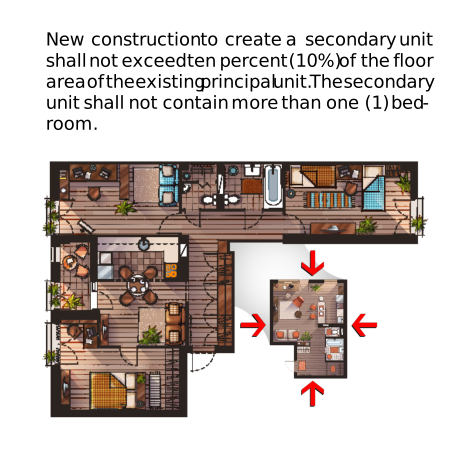
We’ve seen countless owners who have wanted to add a high-quality second dwelling unit to their property, only to be told that their zone or land use doesn’t allow it. Or that their second unit can only be 10% of the size of their principal dwelling.
Take a look at the common complaints and concerns that we’ve been accustomed to hearing from past clients (largely directly at local government).
And the list goes on and on. But now, things have changed in the State of California...
More to come..
More to come..
More to come..
With all of the information associated with ADUs in the State of California, it can be daunting for property owners to digest it all. The conent shown below summarizes the pertinent facts and regulations on ADUs in an easy- to-understand manner. While the information should not be considered a comprehensive guide, it gives an overview and background on ADUs in the State of California.
So what exactly is an “Accessory Dwelling Unit” anyway? Before diving into some of the regulations associated with ADUs, it makes sense to provide a clear definition:
An ADU can be defined as a smaller, independent residential dwelling unit located on the same lot/property as a stand-along (or detached) single-family home.
ADUs also go by other names:
Now that we have defined what an ADU is, let’s go over some of the benefits associated with them, many of which are related to financial incentive.
Lots of benefits huh? Well, let’s keep in mind that up until very recently, local jurisdictions within the State of California have maintained strict zoning regulations precluding many single-family properties from having a quality secondary unit.
Let’s take a look at the City of Long Beach, CA for example. Prior to state-mandated laws regarding ADU’s, the City of Long Beach maintained the following restrictions for “granny flats”...
Our overall focus is the city of Long Beach and we cannot tell you the number of disappointed single-family property owners we’ve come across in the past.
We’ve seen countless owners who have wanted to add a high-quality second dwelling unit to their property, only to be told that their zone or land use doesn’t allow it. Or that their second unit can only be 10% of the size of their principal dwelling.
Take a look at the common complaints and concerns that we’ve been accustomed to hearing from past clients (largely directly at local government).
And the list goes on and on. But now, things have changed in the State of California...
Let’s take a look at the City of Long Beach, CA for example. Prior to state-mandated laws regarding ADU’s, the City of Long Beach maintained the following restrictions for “granny flats”...
Our overall focus is the city of Long Beach and we cannot tell you the number of disappointed single-family property owners we’ve come across in the past.
We’ve seen countless owners who have wanted to add a high-quality second dwelling unit to their property, only to be told that their zone or land use doesn’t allow it. Or that their second unit can only be 10% of the size of their principal dwelling.
Take a look at the common complaints and concerns that we’ve been accustomed to hearing from past clients (largely directly at local government).
And the list goes on and on. But now, things have changed in the State of California...
More to come..
More to come..
More to come..
Copyright 2019 - Adulb.com - All Rights Reserved