The Navajo language is one of the most unique and fascinating languages in the world, distinguished not only by its deep cultural significance but also by the way it is intricately connected to nature. Unlike many languages, Navajo is structured around sounds that evoke the elements of the natural world—fire, water, wind, and earth. These elements play a central role in shaping the language’s phonetics, giving it a flowing, almost musical quality that can be both soothing and mesmerizing to the listener. When spoken, the rhythm and tone of the language seem to echo the natural world, making it sound as though the earth itself is speaking through its people.
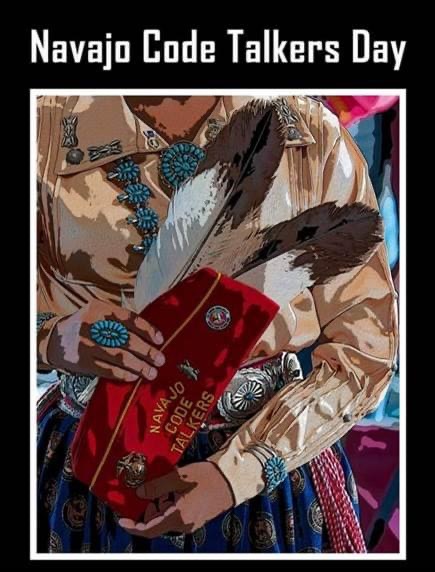
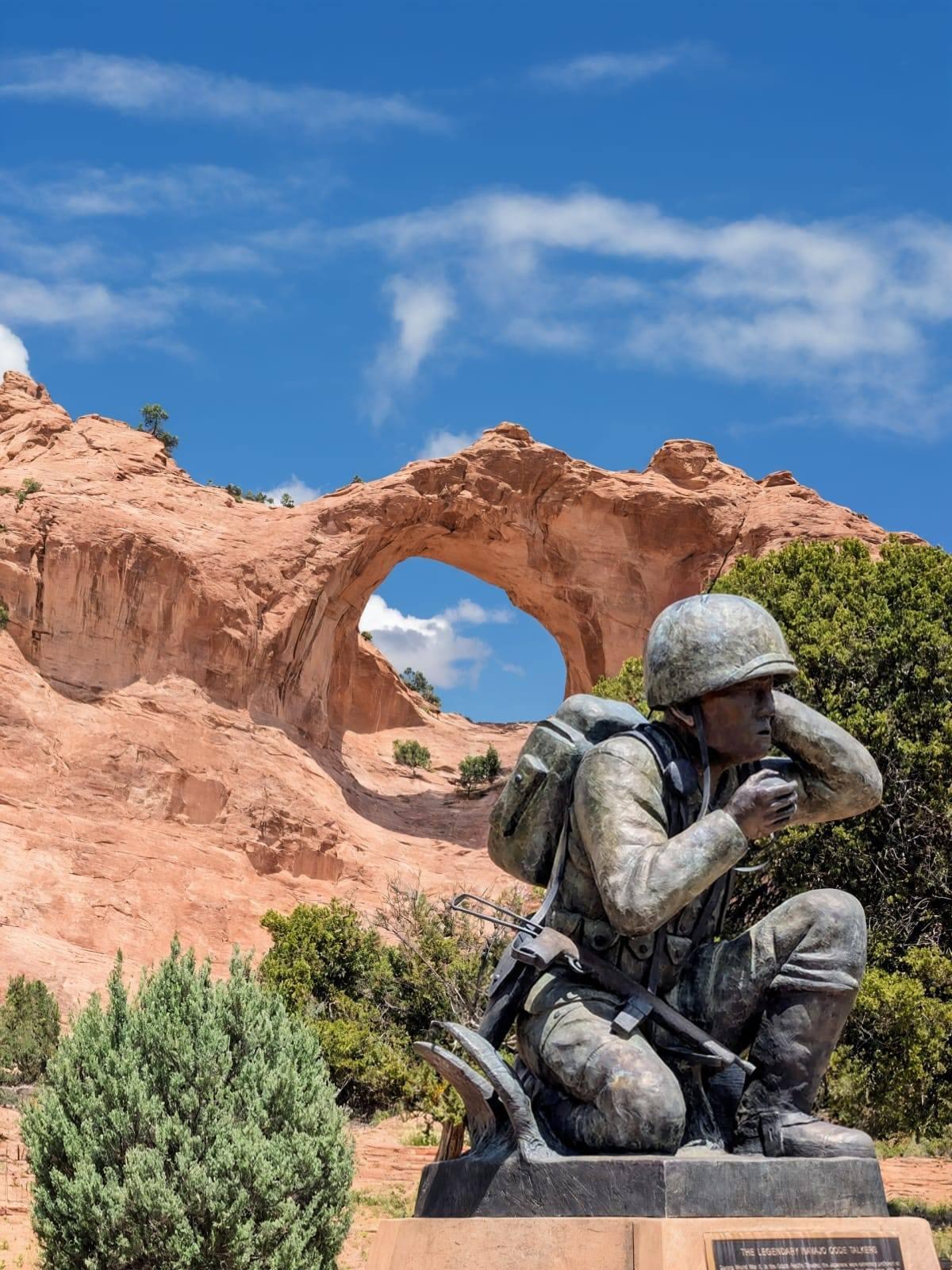
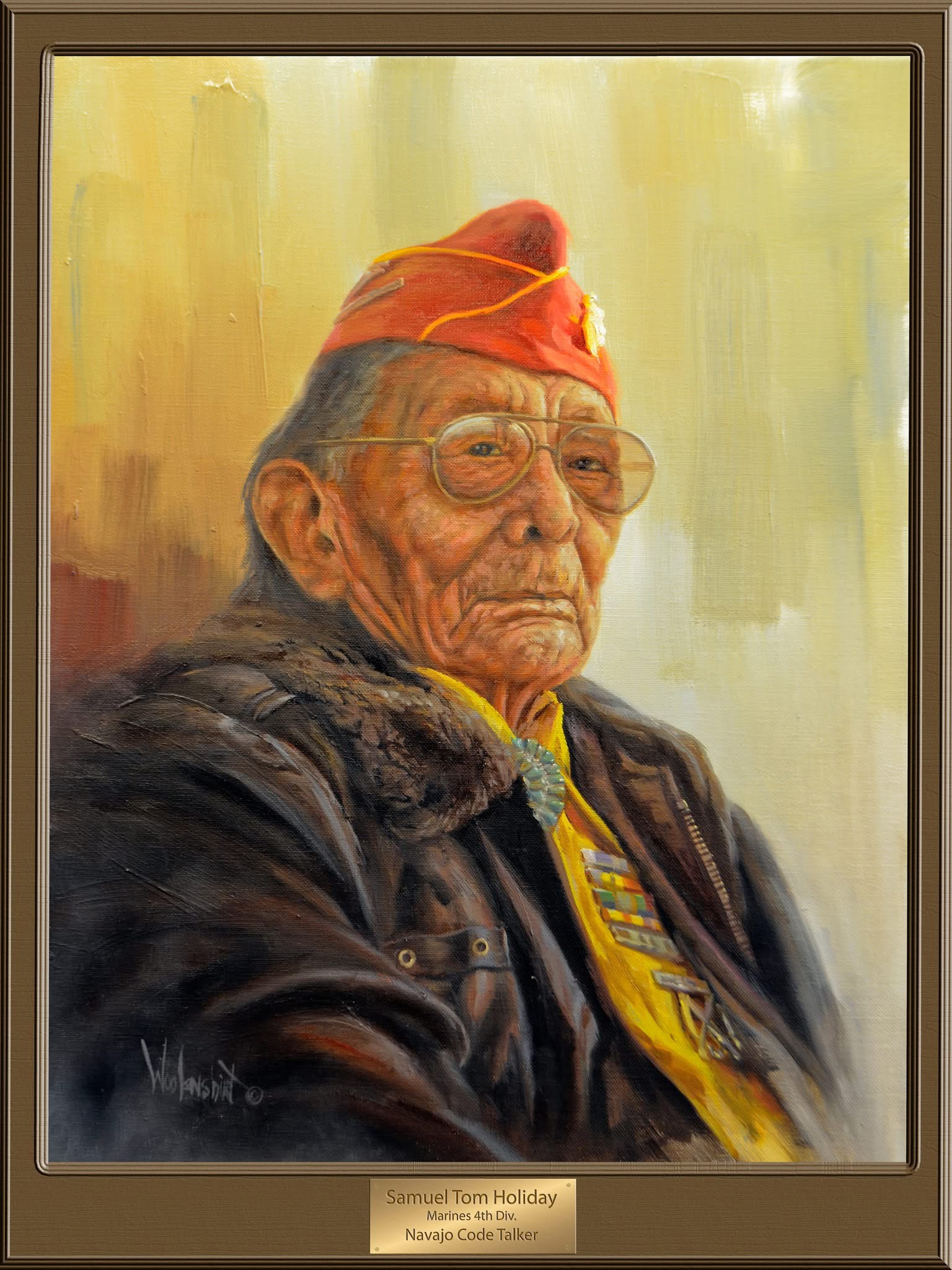
During World War II, the U.S. military used the Navajo language to create an unbreakable code that helped defeat Japan. The Navajo language was chosen because of its complexity, tonal quality, and unique structure, making it nearly impossible for the enemy to decipher. In 1942, a group of Navajo speakers, known as the "Navajo Code Talkers," was recruited to send secure messages using this code. The Navajo code played a crucial role in key battles, including Iwo Jima, where it enabled fast and secure communication that was vital to military success. Despite being intercepted, the code was never broken, providing the U.S. with a significant advantage. The bravery and contributions of the Code Talkers remain a vital part of U.S. military history and highlight the strength and strategic importance of Native American languages.