 Trip
Reports
Trip
Reports

East Germany:
16 to 21 May 2009
Photos Nick Ayers,
Gordon Youdale and Roger White
An excellent long weekend exploring the valley of the
River Elbe in March 2008 persuaded us to return this year in May. The Elbe
flows from the Czech Republic through Germany to the North Sea, and
forms part of the border between the old East and West Germany. In March
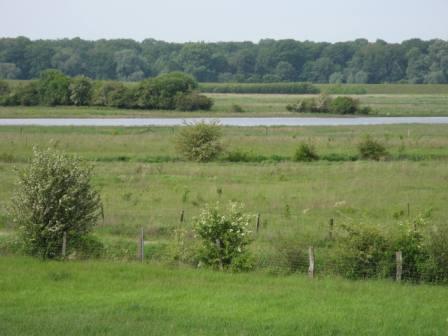
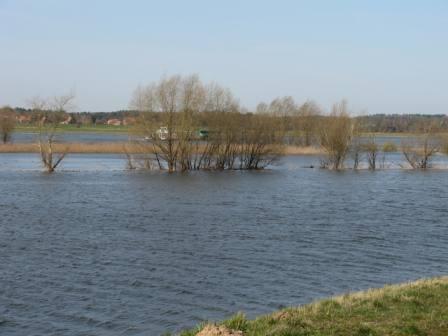
there was extensive flooding of the surrounding polders. This time,
in addition to visiting the Elbe, Nick Ayers, Robin Prytherch, Roger White,
and Gordon Youdale travelled east as far as the River Oder which is the
large river separating Germany from Poland. It flows north into the Baltic.
The polders around the Oder form part of the Lower Oder
National Park, and are of international importance.
Having ticked Hoopoe as we landed in
Berlin we called at the Great Bustard reserve near Buckow on our way to the
Elbe valley. Our disappointment in not finding any Bustards was soon
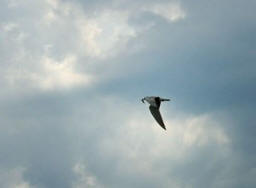
countered by seeing flocks of Black Terns and a White-winged Black
Tern at nearby Gülper See.
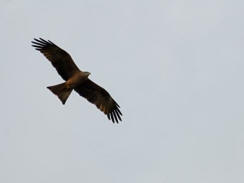
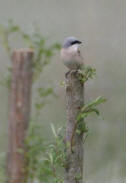
Black Kites, Red-backed Shrike, Marsh Warbler, Golden
Oriole and Serin were soon added to the list.
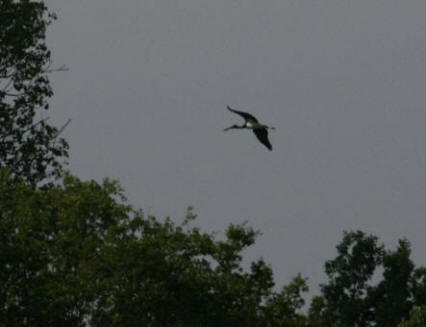
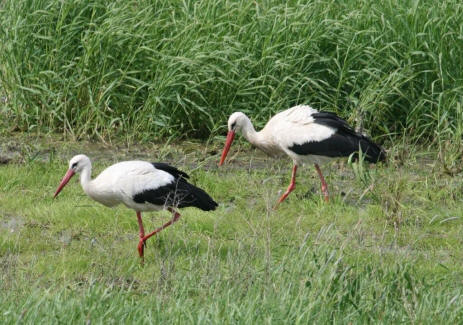
White Storks were common and especially exciting
were Black Stork sightings. There are only 2-3 pairs within
the area, and we were privileged to be shown a Black Stork standing by its
huge nest in an Oak Tree in the forest.
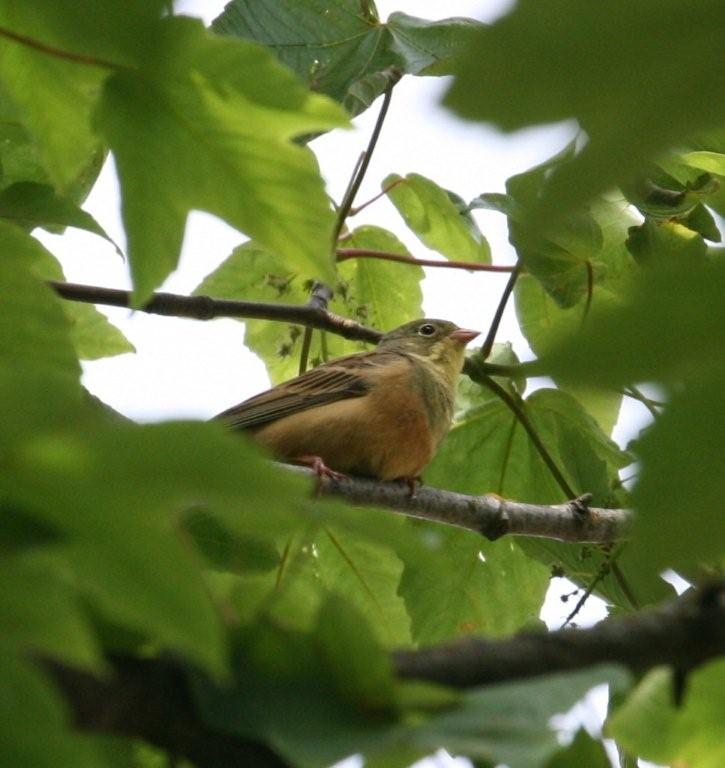
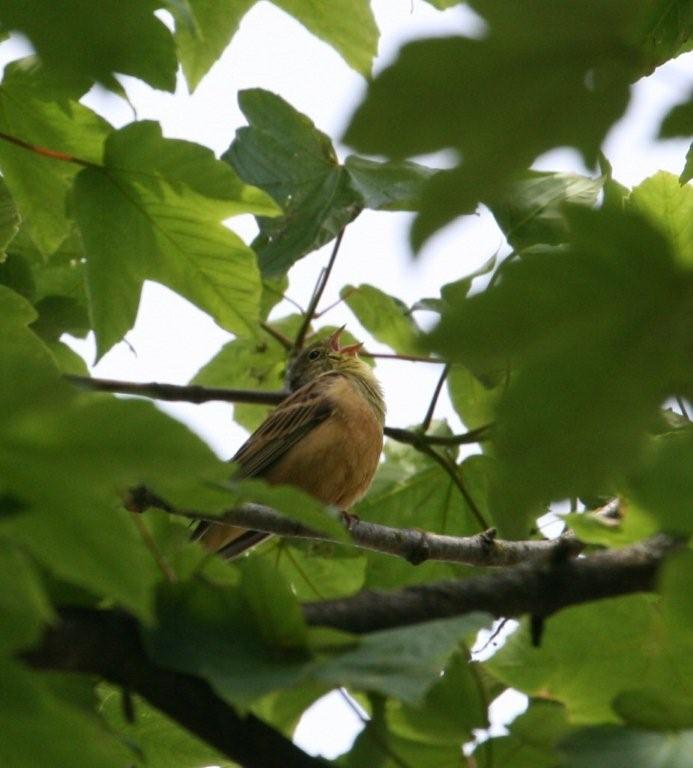
Gordon got some excellent shots of an Ortolan mimicking
the opening of Beethoven’s fifth symphony.
Accompanying some Great White Egrets along the edge of
the river was a single Little Egret. This caused excitement for a local
German birder because it is a rare bird here and was only the second he had
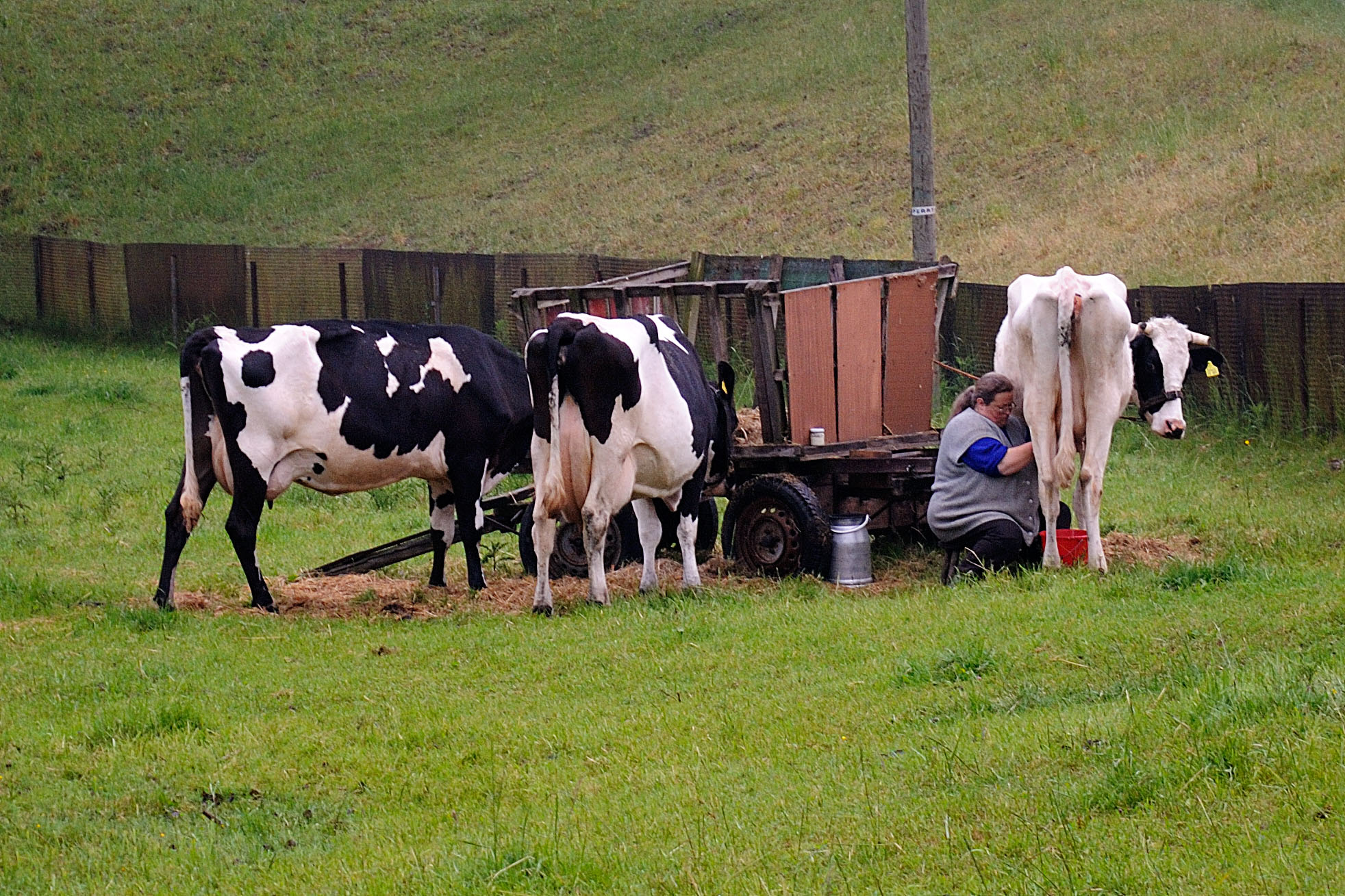
seen. Nick was taken by the rural milking scene outside our hotel.
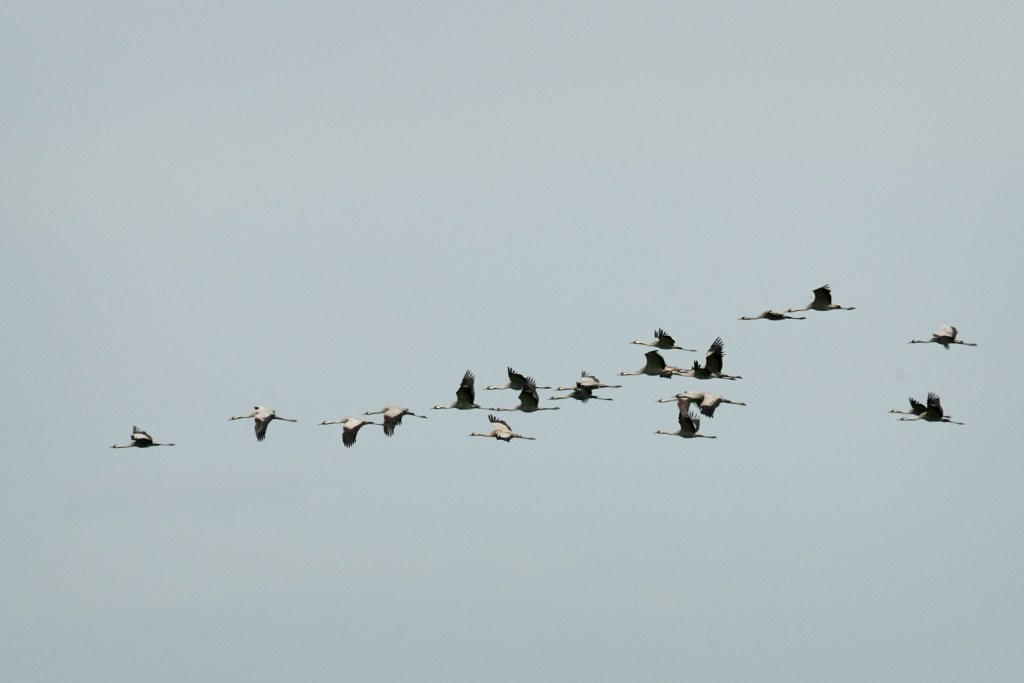
Cranes were nesting in the reed beds and damp woodland
and already had quite well grown young (pipers according to Robin). Some
small flocks of non-breeding birds were still present.
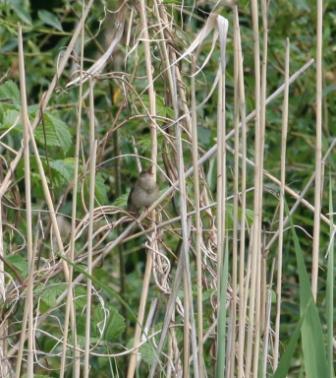
Moving to the east our warbler count increased with the
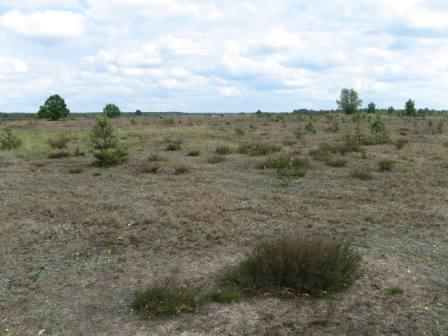
addition of Icterine and Savi’s. There are a lot of heathland areas in
Brandenburg State which were formally military training grounds for the
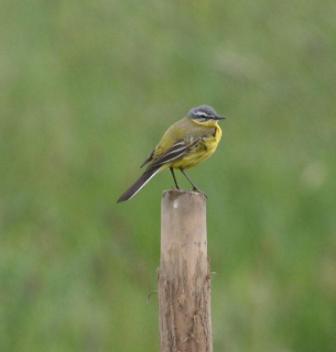
Russian army and these provide good habitat for Whinchats, Wheatears,
Woodlarks, and Hoopoes. Many of these are still restricted
areas but in some you can have limited access. Tawny pipits are present but
they eluded us.
The ponds at an old Sugar factory
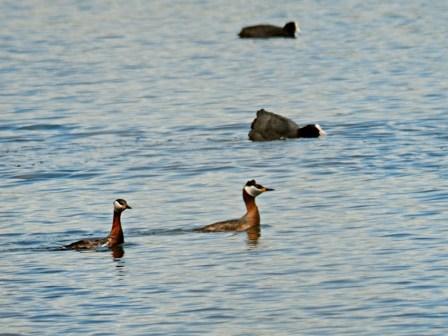
contained good numbers of duck, including Garganey and Red-crested Pochard,
and several pairs of Red-necked Grebes.
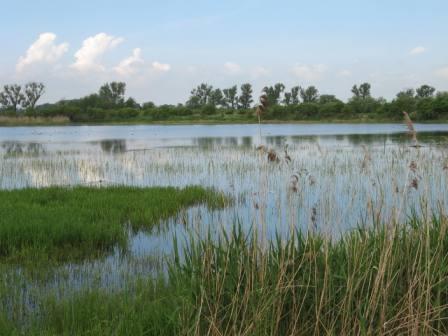
A Little Bittern was calling but
failed to show. Near here we heard the first of many Thrush Nightingales and
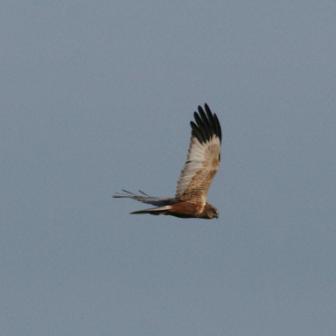
a Honey Buzzard flying north was added to the Raptor list. Close to the
Polish border is a site favoured by Lesser Spotted Eagles, and after some
patient waiting we were rewarded by the appearance of a single bird high in
the air. It was joined by another and at one time there were three within
the same telescope view, and we were entertained by typical plunging display
behaviour. We dragged ourselves away to the town of Schwedt on the border
with Poland, ticking Great Grey Shrike on the way, and finished the day with
an evening walk along the bank of the Oder, listening to Corncrakes and
Grasshopper Warblers in the fading light.
The following morning started well
with Lesser Spotted and Black Woodpecker in the woodland behind our hotel,
and as we explored more polders the day continued to improve with the
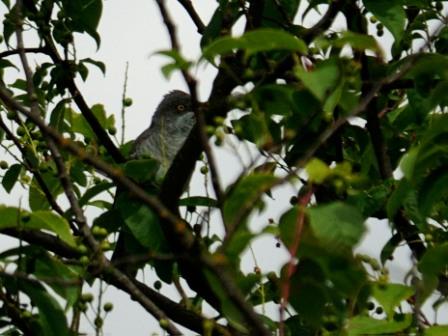
addition of singing Barred and River Warblers . Barred Warblers are
usually very elusive and Gordon and Nick’s photos are therefore particularly
creditable.
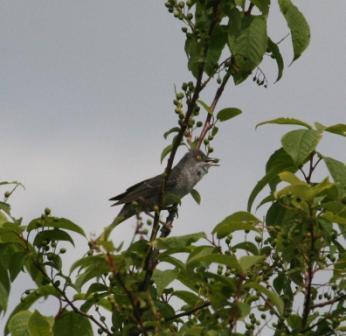
A Wryneck sat in a dead tree, and was probably nesting
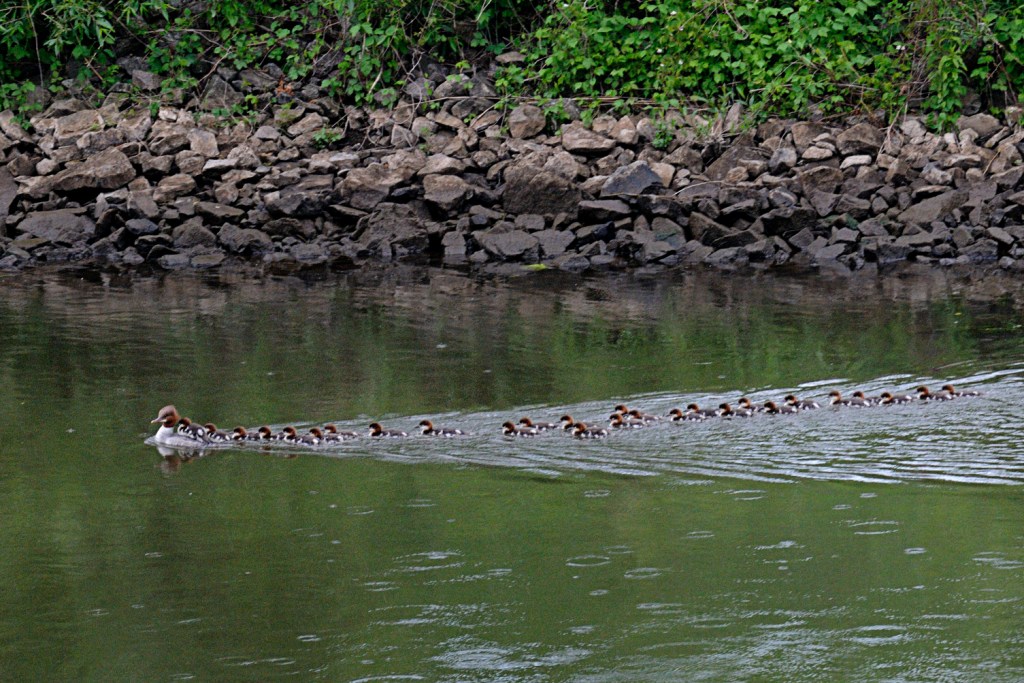
nearby. A female Goosander had a crèche of 28 young in tow as it cruised
along the Oder canal.
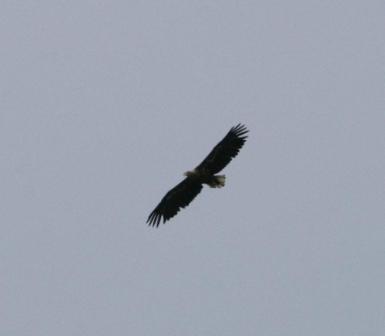
Just across the river in Poland a pair of
White-tailed Eagles were at their nest.
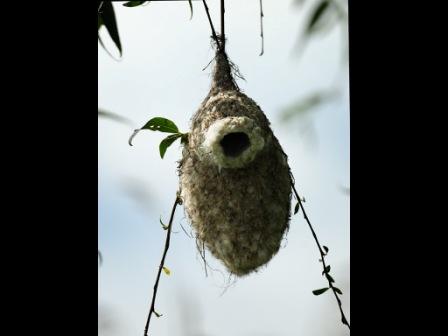
Nearby, a beautifully constructed Penduline Tit’s
nest was found hanging from a lakeside Willow. The birds themselves were
elusive and only the call was heard.
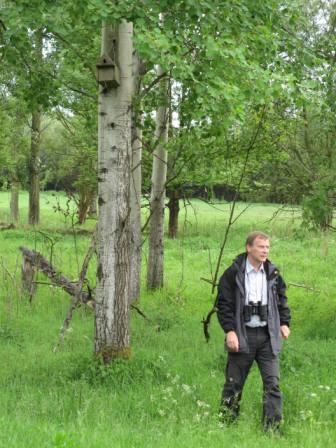
On our return to the airport I had arranged to meet a
German birder who surveys an old Sewage farm on the northern edge of
Berlin. It is a site with about 15 breeding Wrynecks and he showed us
the nest boxes he has provided. We heard a Wryneck calling and one of us
was fortunate in getting a view.
We had failed on a number of
expected birds such as Kingfisher, Grey Wagtail and Dunnock, but with a
final count of 140 which included 15 Warbler species, we could not complain
about our six days birding!

©Bristol Ornithological Club MMIX
Home Page
Contact us |
How To Join |
About The BOC |
Programme |
Where To Watch |
Articles |
Gorge Peregrines
| Bird Records |
Systematic List |
Galleries |
Links |
Message Board |
Coming Up
|
Publications