Organic Agriculture Production not only excludes the use of synthetic agents, it is a system based on biodiversity, improvement of soil fertility and sustainability with a minimum of external inputs
About Fertilisers and Soil Conditioners
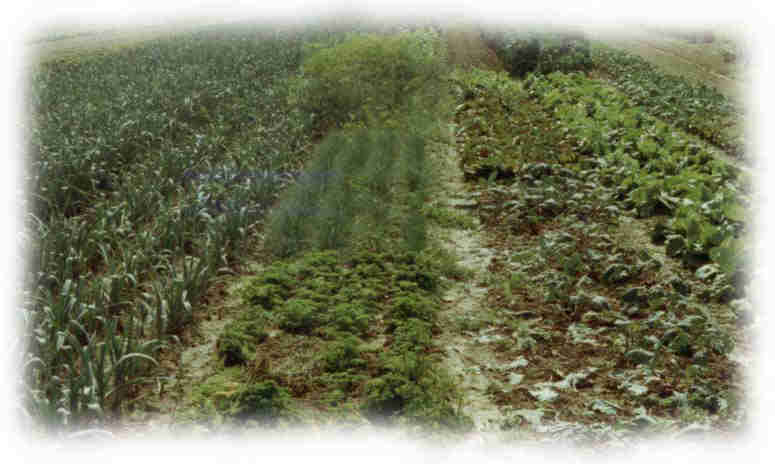
The Regulation 2092/91 sets out the principle that organic farming aims to be self sufficient and fertility should come principally from the farm itself - e.g. use of animal and plant manures - and from rotations of different crops.
The Regulation allows other, mostly natural, inputs from outside organic farming to be used if full fertility cannot otherwise be achieved. These fertilizers and soil conditioners are listed in Annex IIA of the Regulation.
About Pest Control
In a similar way the Regulation sets out what farmers should do to ensure absence of pests and diseases. However, certain pesticides mostly from natural origin are available for use in organic farming and are listed at Annex IIB of the Regulation 2092/91.
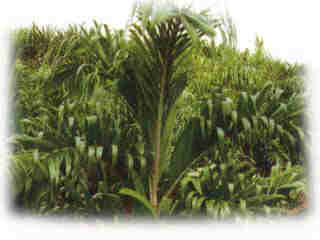
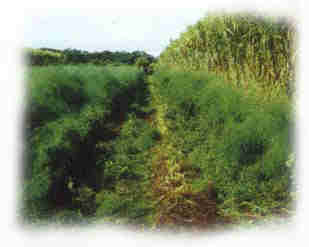
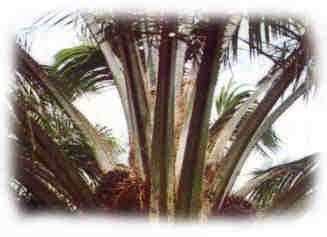
Conversion period for organic farmland
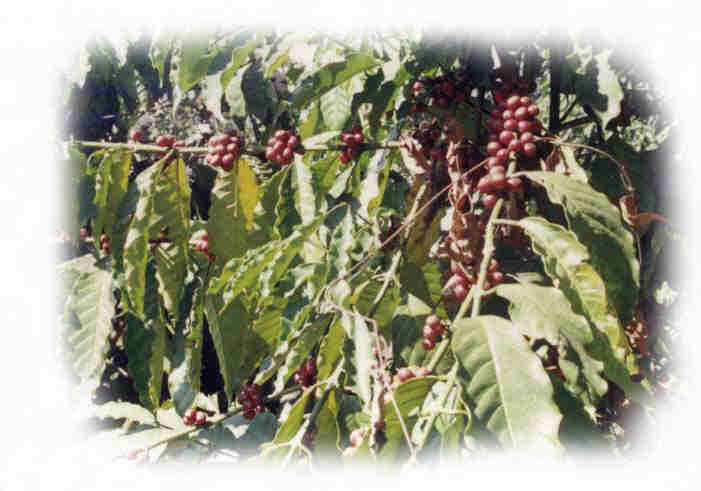
The EC Regulation requires two years before the first planting of crops to be sold as organic or in the case of perennial crops (fruit trees etc) three years before the first harvest of a crop to be sold as organic.
in certain cases the inspection body and competent authority may decide an extension or reduction of the conversion period
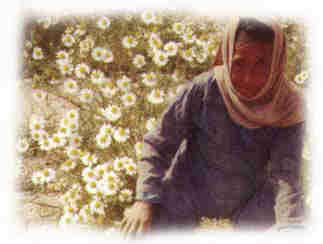
The EC Regulations provides that the period may be shortened according to the previous use of the land, for example, cases where land has been in an environmental scheme which prohibits use of non-allowed fertilizer and pesticides, or in some cases were fallow or "virgin" land is converted for organic production. There is no conversion for products from wild crafting but some special regulations and requirements.

Parallel Production
It is prohibited to produce the same crop variety in different qualities (organic and non-organic) within the same farm unit.
Exceptions are possible in case of perennial crop production, with implementation of the following conditions:
-
A conversion plan has to be elaborated that outlines the conversion of the whole farm within a 5 years period. This plan has to be approved by the inspection body.
-
Separation of the different qualities has to be ensured.
-
Harvest needs to be announced to the inspection body and all measures which were taken for separation of the different qualities need to be notified.
The European regulations on organic livestock products became effective on August 24th 2000.
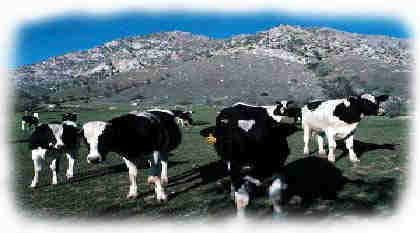
Organic stock farming is a land-related activity. In the regulations of the EU maximum number of animals per ha are listed in annex 7 of the EU regulation.
Minimum space for animals indoors and outdoors are listed in Annex II of the EU regulation.
A maximum registration of nitrogen fertilizer of 170 kg N per hectare and year must not be exceeded. Some exceptions are possible.
Besides the periods of conversion for plant cultivation, the Reg. (EEC) No. 2092/91 also contains periods of conversion for the different breeds on farms with Eco-Livestock Production. These periods of conversion have to be passed before animal eco-products can be traded. On such farms, animals of the same species are not allowed to be kept conventionally and alternatively within the same unit.
Farms with Eco-Livestock Production should fundamentally buy Eco-animals. As eco-animals being quite often unavailable even on the European market, it is possible to buy conventional animals under certain circumstances but this must be authorized by the certification authority.
Concerning the feeding it applies to fundamentally use organically produced feeding stuffs. Feed is intended to ensure quality production rather than maximising production, while meeting the nutritional requirements of the livestock at various stages of their development. As some foods are not available from ecological production, certain food can be used originating from conventional production up to a limit of 10% (herbivores) or 20% (other breeds), assuming the specific food is not available in eco-quality and is listed in the Annex II, part C of the Completion Regulation.
Specific standards for beekeeping are formulated in the regulations in Annex I, part C