 |

 |
|||||||||||||||||||||||||||||||||||||||||
|
||||||||||||||||||||||||||||||||||||||||||
|
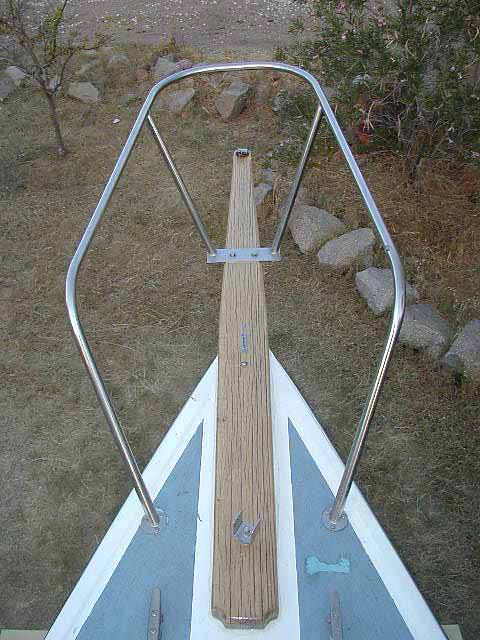
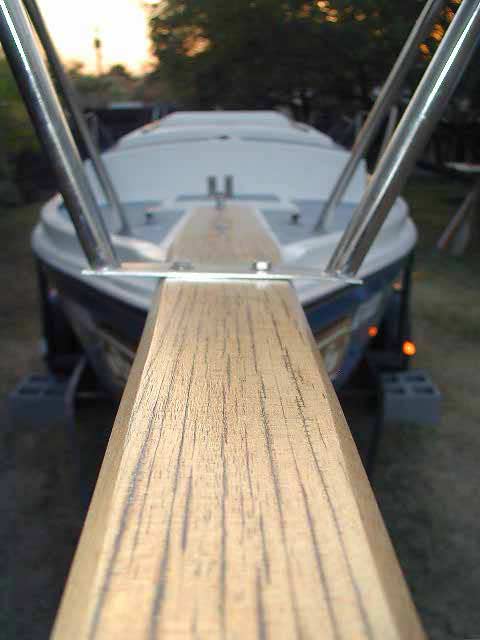
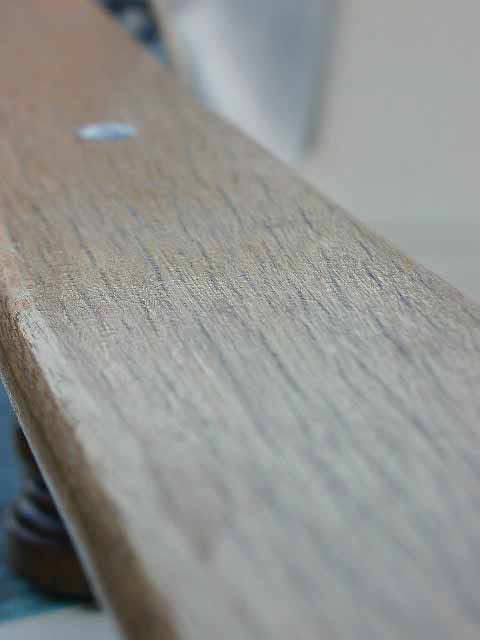
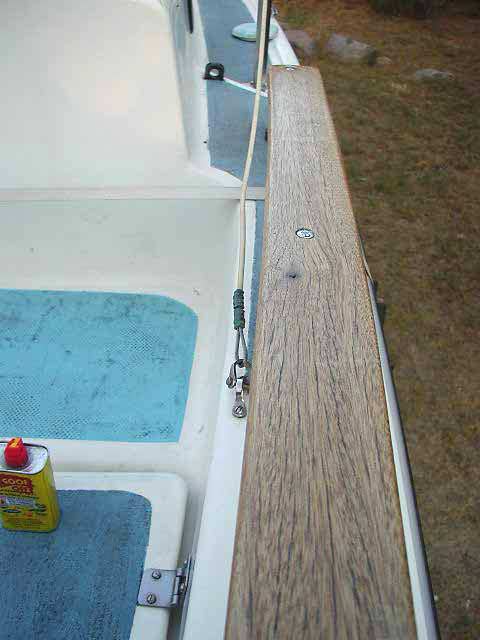
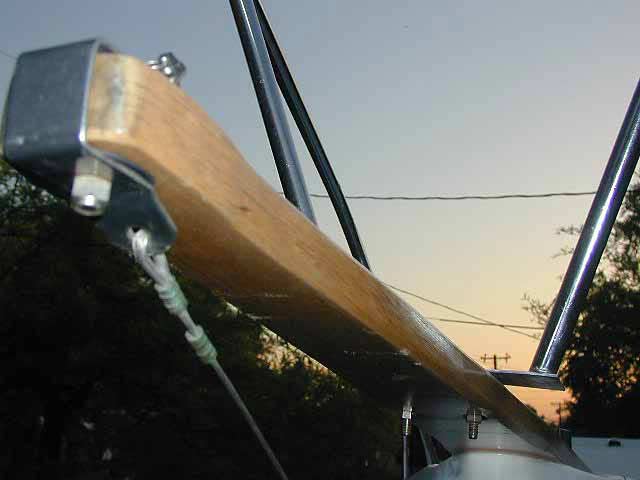
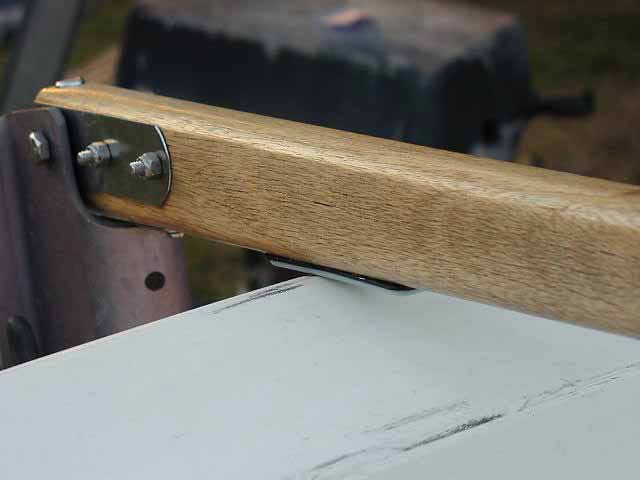
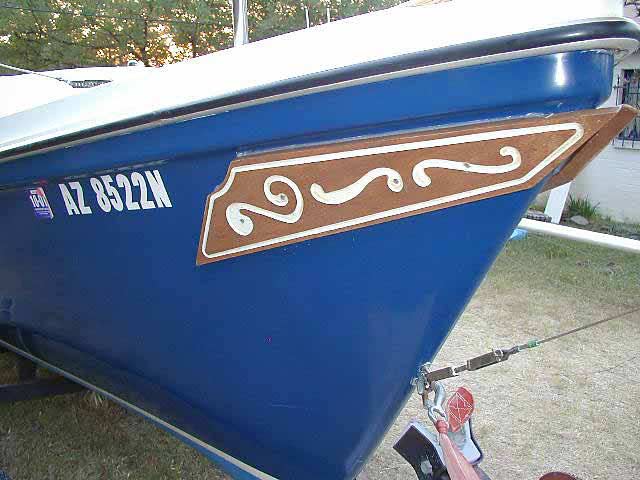
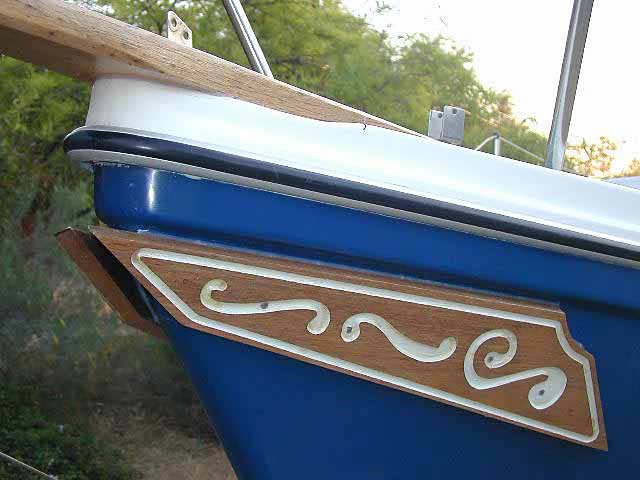
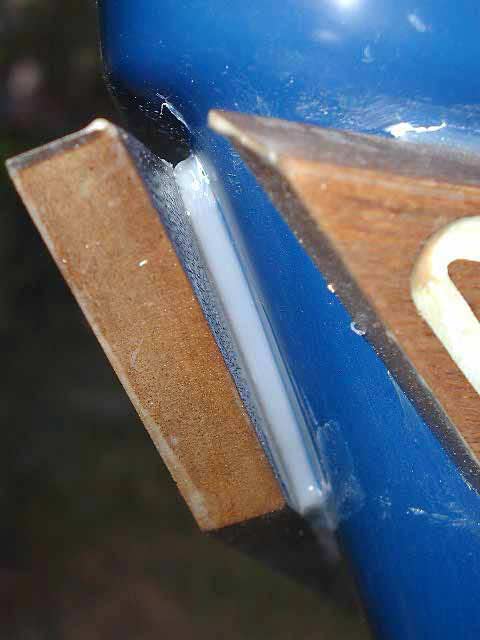
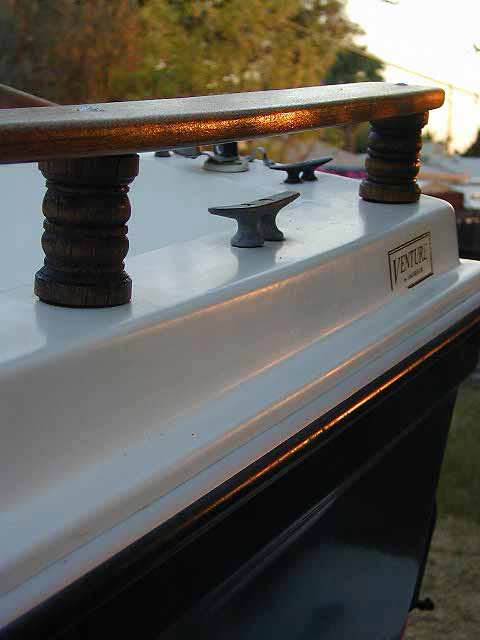
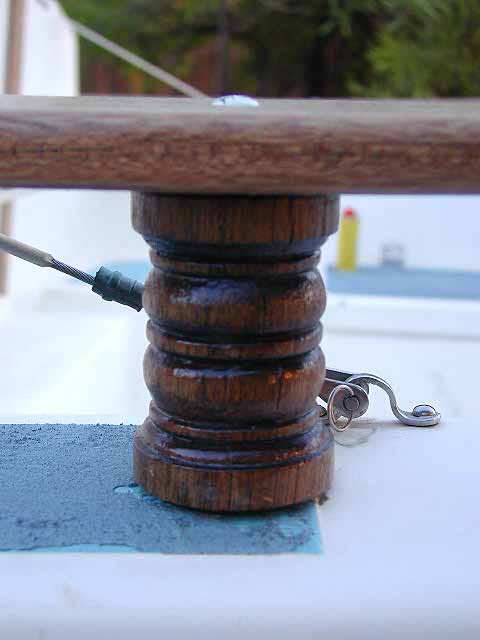
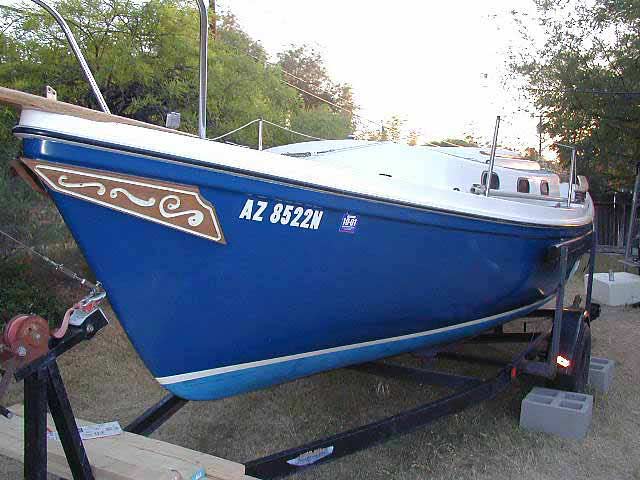
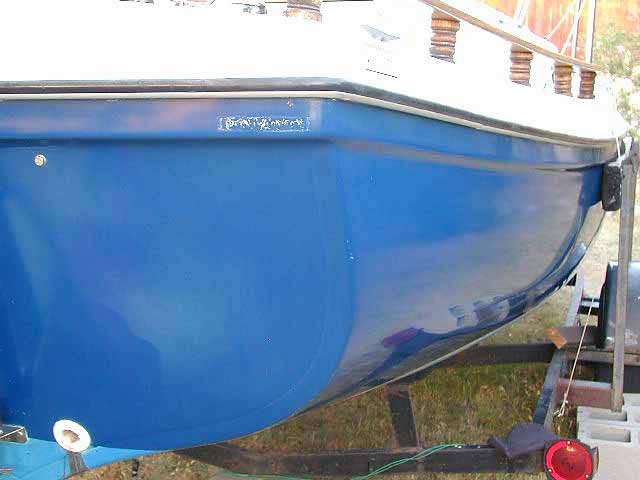
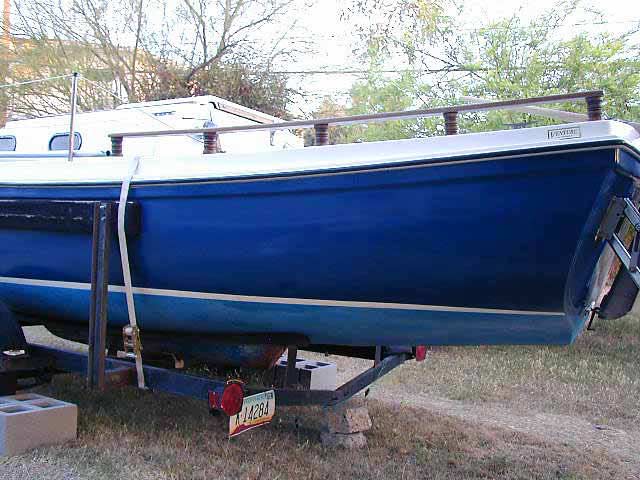
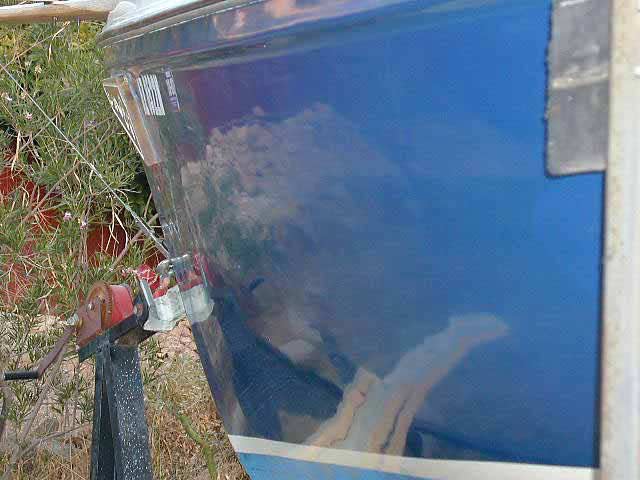
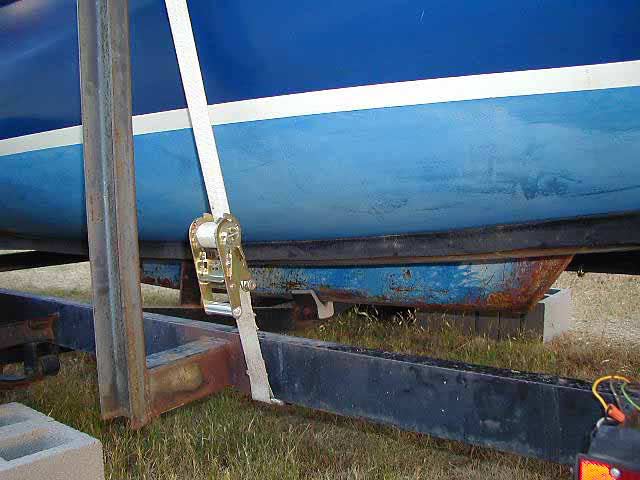
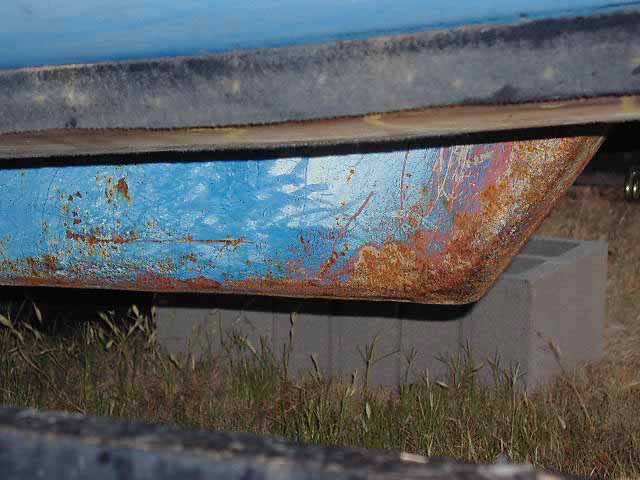
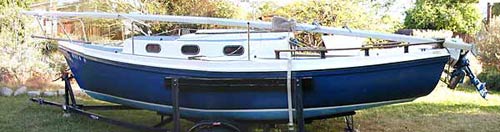
The restoration has taken up more time that I had originally thought, mainly since I have more interest right now in how she looks than how she sails. And that's only due to the fact that I haven't sailed her at all yet! Also, calling it "restoration" is somewhat loosely used here. I've seen some serious restoration on other member's pages (i.e: "SCALLYWAG") and thus feel incredibly fortunate to have avoided such a scenario. So, on to the process. My four main issues on day one of delivery were: 1) Hull -- very oxidized and dull finish. Below the waterline, even moreso with a few nicks and scrapes from being beached. Keel also has some rust and needed to be grinded, treated and refinished. 2) Wood -- so weathered that I didn't even know if it could be salvaged. And while serviceable, my fear was any further exposure to water would increase the chances of rot. 3) Brightwork and fittings -- some were loose, some were shot (plastic pieces) and some were just plain ugly. 4) Cabin -- relatively clean but the cushions were toast, the bulkheads were warped and their fasteners were either loose, bent or broken. Though I have other issues to centend with, these four seemed to be the most pressing before I even think of taking her out. The wood seemed to be the most logical and easiest starting point. Every piece on the deck (bowsprit, rails, tracks for the hatch) were removed, sometimes with a bit of difficulty as they had been glued to the surface of the deck itself. Once removed we went at every piece with a Makita random orbit sander, working first with #60 grit to remove old varnish and to get a few millimeters down to good wood. The bowsprit was the hardest piece -- old thick varnish on the underside gave us tired arms and alot of of spent sanding disks. Once every piece was sanded to a level of satisfaction, it was then finished off with #150 grit before varnishing. Some might feel as though this is too little, but the result was very smooth and I figured that any further sanding was all but redundant. And about that varnishing... Everyone (boat shops) felt as though the varnishing was a bad way to go and that I should use oil instead. I'm told that Teak has a natural oil inside (?) and that the varnish would be compromised anyway by the oil leeching out over time. Well, I fighured that our Arizona sun has long since killed any oil left in the wood and I would better off to just seal the surfaces. Additionally, my logic is that with a well sealed surface, the chances of me having to perennially oil the wood are greatly diminished. |
|
|||||||||||||||||||||||||||||||||||||||||