
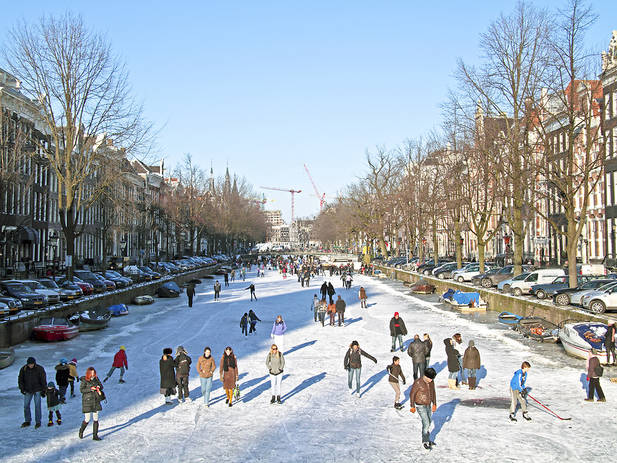
AMSTERDAM'S PARK AND CANAL (ON SKATES)
If you enjoy skating, you'll love Amsterdam. Traditionally in winter, the frozen canals provide a playground for ice-skating locals. Fearless skaters whoosh along narrow city canals at the marathon-style event of Elfstedentocht – a 200km race around Friesland. But due to warm conditions, the race hasn't been held since 1997. In summer, you'll find locals and tourists alike skating through the park. All year round, at 9pm on a Friday night, a group of skating enthusiasts meet opposite in the the Vondelpark to join a 20km, three-hour tour through the night streets. It's called, imaginatively enough, Friday Night Skate and its final destination is the pub.
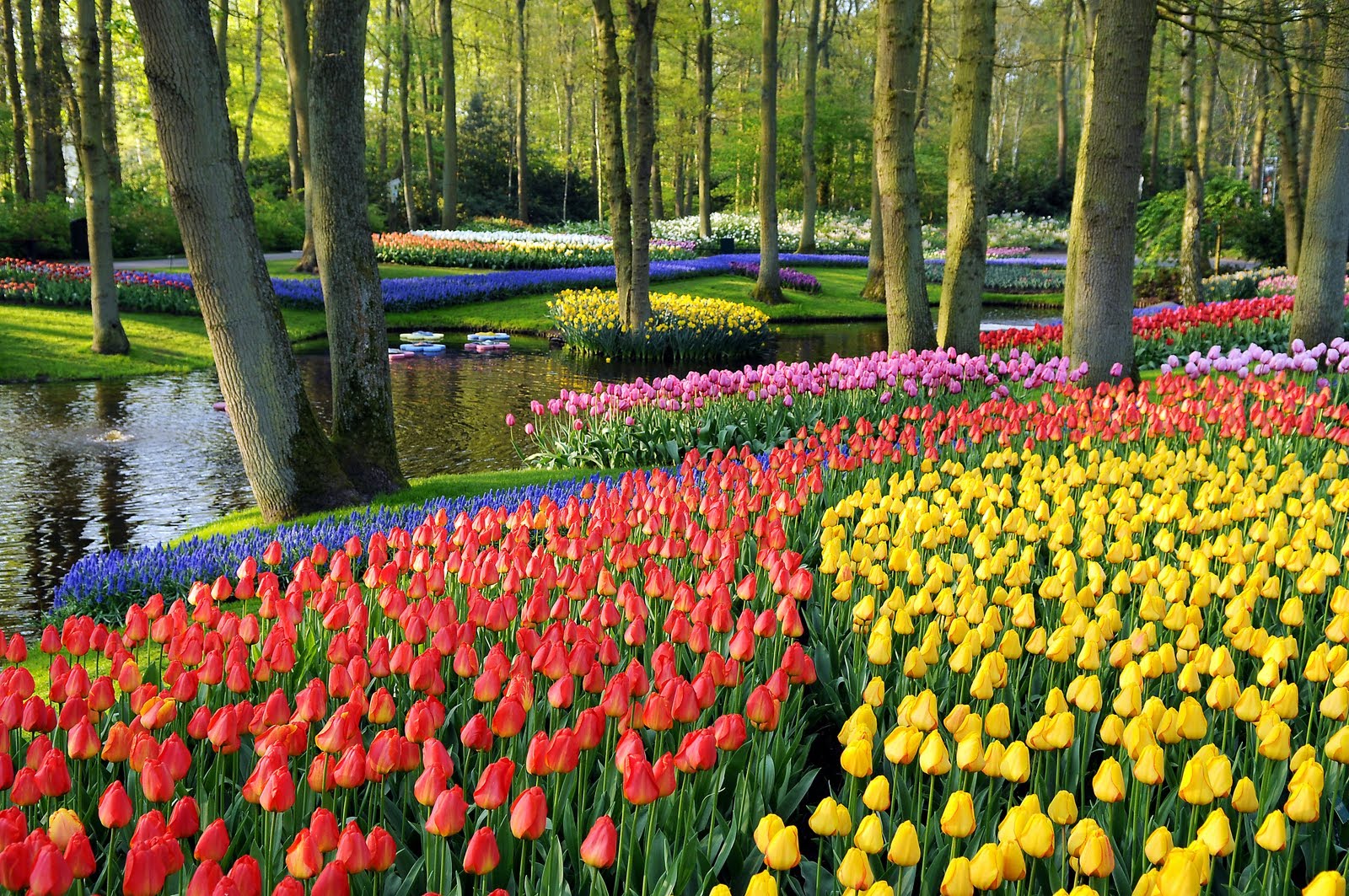
KEUKENHOF TULIP GARDENS , NETHERLANDS
Today the Netherlands is the world’s largest producer of tulip bulbs, exporting 4.2 billion bulbs annually. Approximately half goes abroad; the remainder stays in the Netherlands, mainly for flowering in winter as cut flowers. Almost 2,000 different tulip varieties are cultivated commercially; some 100 new ones are added each year.Today the Netherlands is the world’s largest producer of tulip bulbs, exporting 4.2 billion bulbs annually. Approximately half goes abroad; the remainder stays in the Netherlands, mainly for flowering in winter as cut flowers. Almost 2,000 different tulip varieties are cultivated commercially; some 100 new ones are added each year.hat started as a platform for Dutch tulip developers opened to the public in 1950. This year, 125 years after the birth of Vincent Van Gogh, Keukenhof celebrates the iconic artist in numerous flower shows and a new Selfie Garden inspired by Van Gogh’s self-portraits. A spectacular flower plateau in Van Gogh’s likeness, comprised of tulips and grape hyacinths in many different hues, blooms next to Rembrandt and Jan Steen in the Walk of Fame at Keukenhof 2015. Also on display are more than a hundred thousand tulips in the Willem-Alexander pavilion and historic tulip garden, as well as exhibitions about tulip history, 17th century Tulip Mania, tulip myths and modern tulip cultivation.
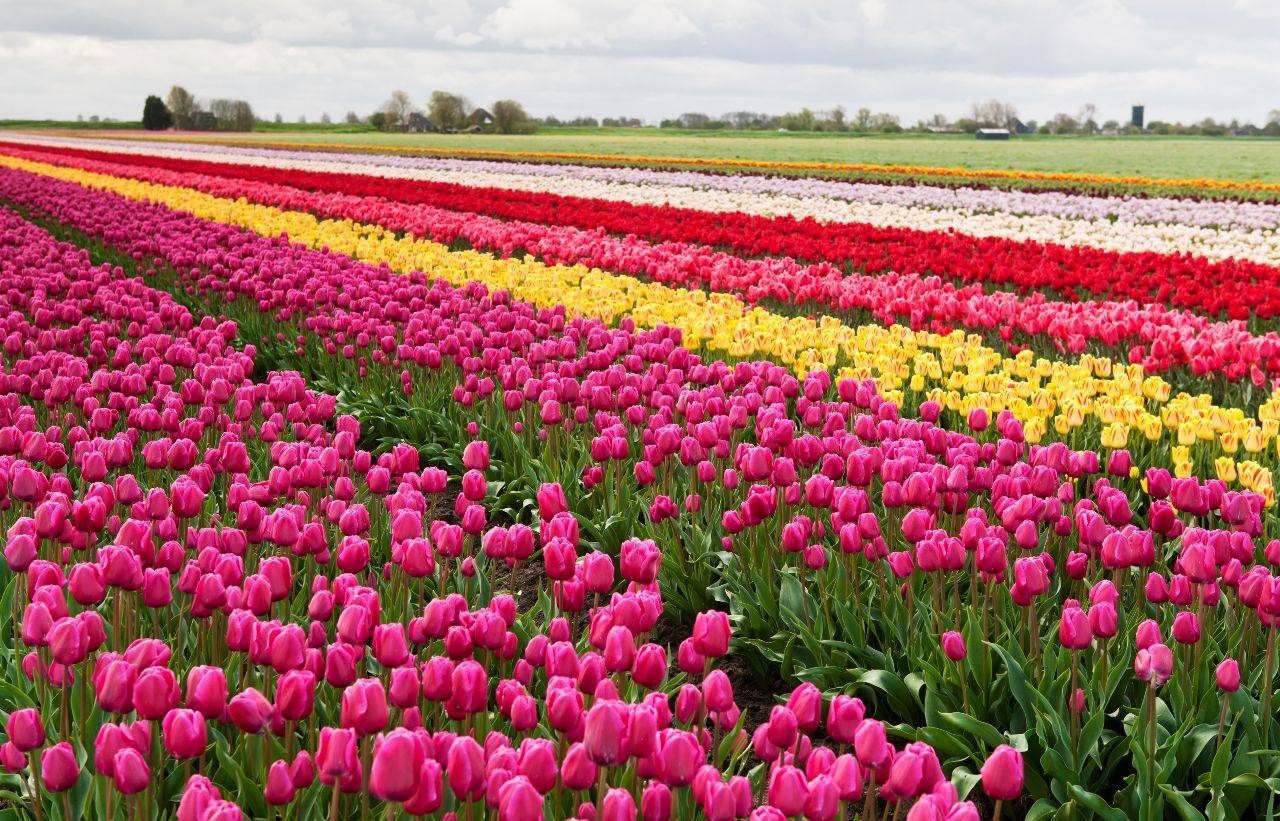
TULIP FIELDS
Most of the tulip farms in Holland are located in the Noordoostpolder (Northeast polder), in the province of Flevoland, and in the area known as the Kop van Noord-Holland. The Kop even boasts the largest continuous bulb-growing area in Holland. Another well-known bulb-growing area is the Bollenstreek near Leiden, home of the world-famous Keukenhof. All three of these areas are only half an hour away from Amsterdam by car. The largest flower auction in the world, FloraHolland in Aalsmeer, is also just 30 minutes from the capital.
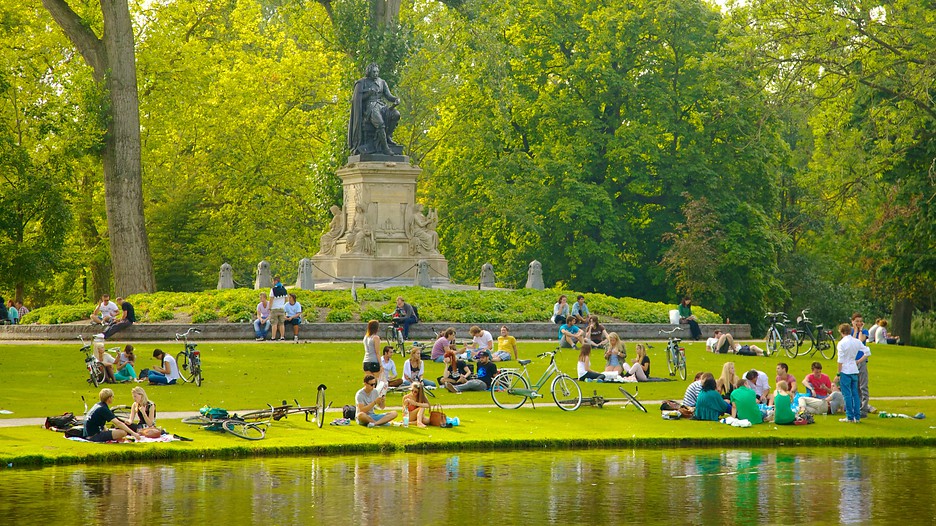
VONDELPARK
Vondelpark is the largest city park in Amsterdam, and certainly the most famous park in the Netherlands, which welcomes about 10 million visitors every year. The Vondelpark is centrally placed south of Leidseplein and near Rijksmuseum, Stedelijk Museum and Van Gogh Museum. The Vondelpark is loved by Amsterdammers as well as by tourists, and is full of people - enjoying a sunny day, dog-walking, jogging, roller-skating, listening to music, people-watching, or just lazing about in grass. Free concerts are given at the open-air theatre or in the summer at the park's bandstand. Other attractions are the statue of the poet Vondel, the cast iron music dome, the Groot Melkhuis with playground for children, and the historical Pavilion with its restaurant Vertigo, opening in summer a popular terrace.
CANAL TOUR
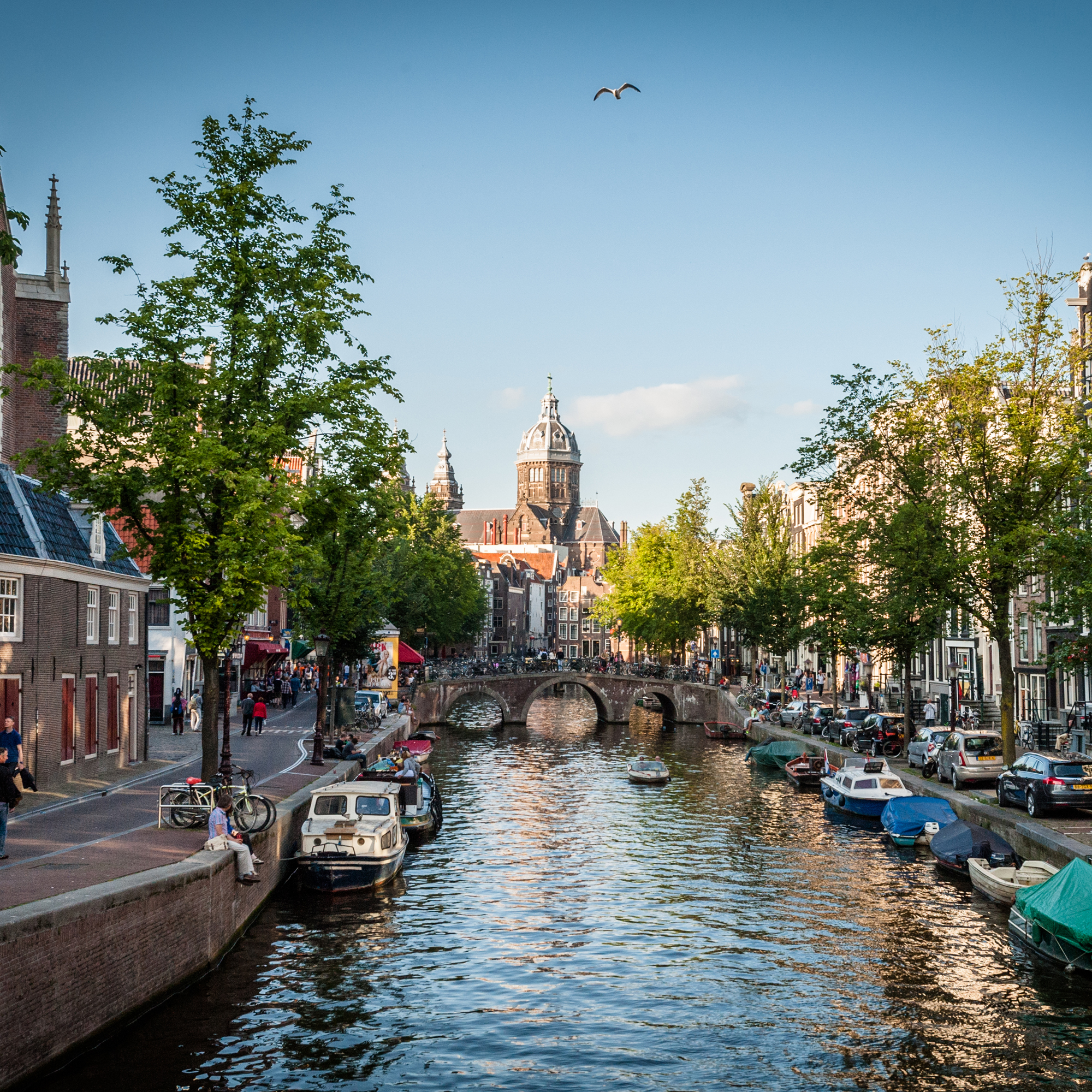
No visitor should miss out on a water-borne tour of the splendid canals of Amsterdam. The canals, which were declared a UNESCO monument in 2010, aren't just a picturesque attraction, but were essential to defense and transport in 17th-century Amsterdam. With the arrival of the automobile, hundreds of canals were filled in nationwide to accommodate the new mode of transport, but Amsterdam has retained 165 of its historic canals, more than any other Dutch city.A canal tour makes for a wonderful first impression, as the tour boats take in much of the monumental architecture that lines the Canal Belt, the four concentric semi-circles that loop around the the historic Center. While any canal tour will be an experience to remember, the options are plentiful: hop aboard an open-top boat from the St. Nicolaas Boat Club, or charter a private boat or a special themed or catered tour.
EDAM
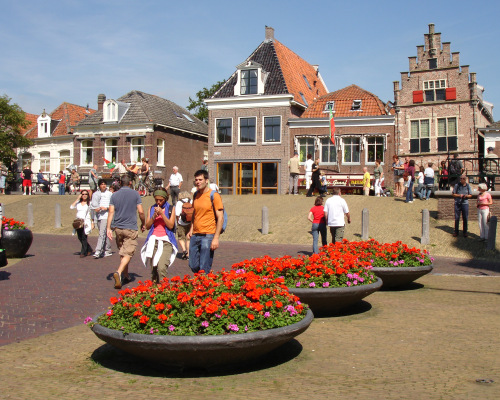
Edam is the most visited village on my list. It booms in summer when buses churn out tourists to see Cheese Market: The Show on Wednesdays at lunch time. But any other time it’s quiet and well-supplied with preserved buildings.
WEESP
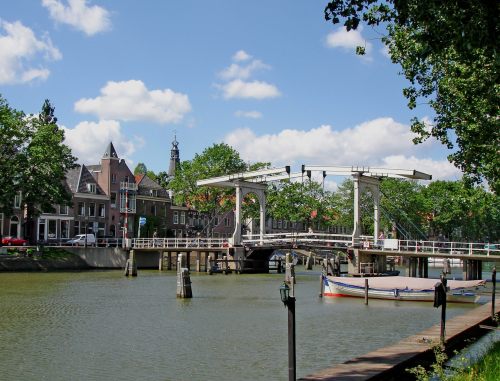
Weesp was razed to the ground in the 16th century by troops from Gelderland. You didn’t know Gelderland had a marauding army? Neither did I, till the information board in Weesp told me. Now Gelderland is a pleasant Dutch province surrounding the town of Arnhem. Weesp recovered from the setback, and now has a couple of church towers, a row of old windmills, a fort, and of course, cafes by the water.
BROEK IN WATERLAND
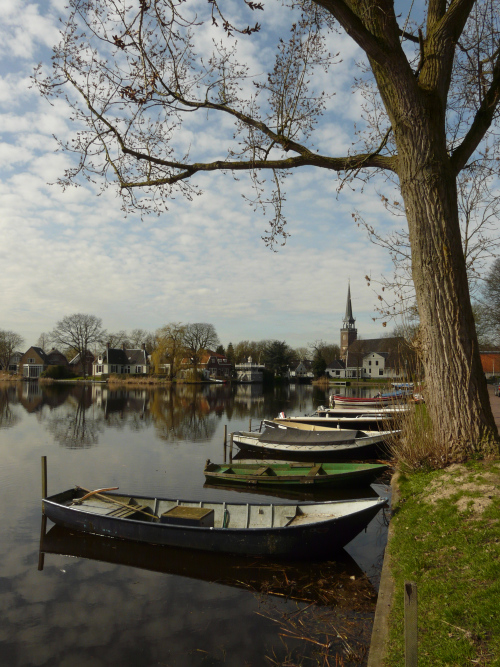
n the middle of the most appealling (and most popular) riding area out of Amsterdam, Broek in Waterland has little wooden houses in lush gardens, and a church tower peeping up above the lake. A close call between this village and neighbour Zuiderwoude for inclusion in the list, but Broek has better cafes.
SPAARNDAM
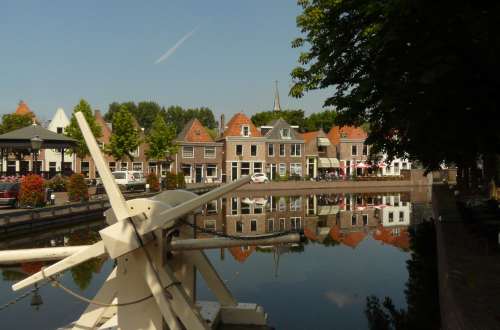
This tiny village is set on the Spaarne River, in the farmland and forest between Amsterdam and Haarlem. Cafe Spaarndam dates from 1571. The village is also notable for the two late 19th century forts, and a statue of the mythical boy with his finger in a mythical dyke.
MUIDEN
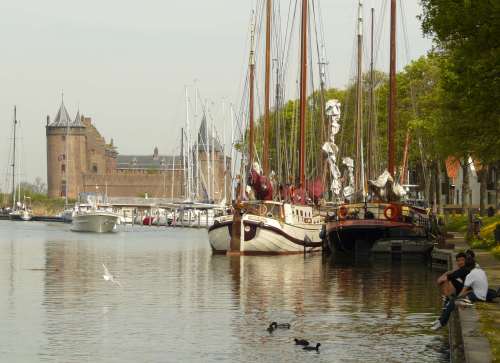
Muiden is made special by having a busy lock, a mooring for tall sailing ships, and Muiderslot, a restored castle on the waterfront. At Muiden a cyclist can sit by the lock with a beer or a coffee and admire the work others have done on their expensive hobby boats.
BEGIJNHOF
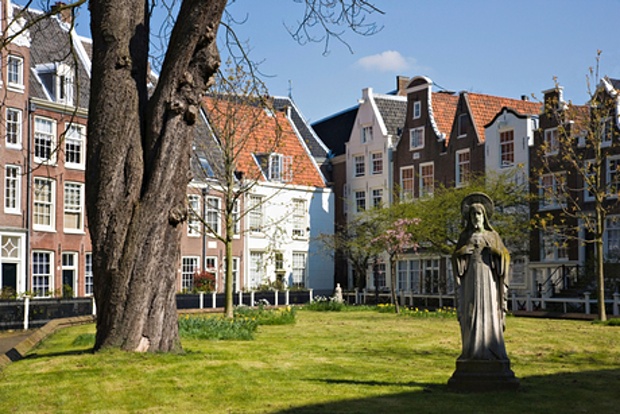
The Begijnhof. Begijnhofjes were originally built as housing for the Beguines, devout single women who didn’t want to take vows – sort of plain clothes nuns. Now the hofjes are attractive complexes built around lovely communal gardens. They’re usually open to the public during the week, but close at weekends to give the residents a break from the stream of visitors.
Weesp was razed to the ground in the 16th century by troops from Gelderland. You didn’t know Gelderland had a marauding army? Neither did I, till the information board in Weesp told me. Now Gelderland is a pleasant Dutch province surrounding the town of Arnhem. Weesp recovered from the setback, and now has a couple of church towers, a row of old windmills, a fort, and of course, cafes by the water.
BROEK IN WATERLAND
n the middle of the most appealling (and most popular) riding area out of Amsterdam, Broek in Waterland has little wooden houses in lush gardens, and a church tower peeping up above the lake. A close call between this village and neighbour Zuiderwoude for inclusion in the list, but Broek has better cafes.
SPAARNDAM
This tiny village is set on the Spaarne River, in the farmland and forest between Amsterdam and Haarlem. Cafe Spaarndam dates from 1571. The village is also notable for the two late 19th century forts, and a statue of the mythical boy with his finger in a mythical dyke.
MUIDEN
Muiden is made special by having a busy lock, a mooring for tall sailing ships, and Muiderslot, a restored castle on the waterfront. At Muiden a cyclist can sit by the lock with a beer or a coffee and admire the work others have done on their expensive hobby boats.
BEGIJNHOF
The Begijnhof. Begijnhofjes were originally built as housing for the Beguines, devout single women who didn’t want to take vows – sort of plain clothes nuns. Now the hofjes are attractive complexes built around lovely communal gardens. They’re usually open to the public during the week, but close at weekends to give the residents a break from the stream of visitors.
\