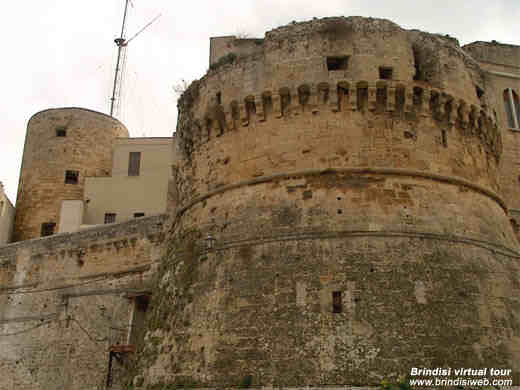
Brindisi(25 kms from Ostuni)At the end of the Appian Way, Brindisi was the Roman's gateway to the East - see photo.
Lovely long pedestrian shopping precinct that leads down to the port.
Loads of restaurants and bars including some excellent fish restaurants along the side of the port.
Ferries daily to Greece, Turkey and Albania.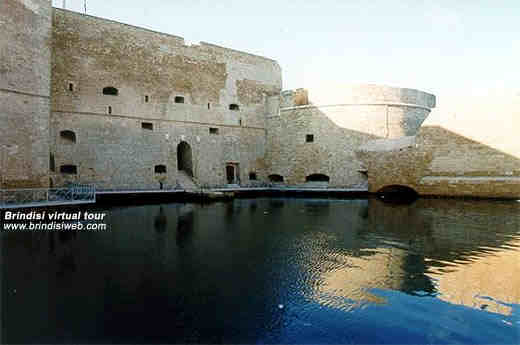
Ceglie Messapica(9 kms from Ostuni)Ancient Messapian centre. Once you get past the new construction on the periphery, the old town is well worth a visit, especially to seek out one of the first-class restaurants hiding away in its tiny streets.
The shops are scattered throughout the old and new town and therefore are difficult to find but prices are cheaper here than in the bigger more touristy centres so it can be worth the effort.
Market day is Saturday and this is a must.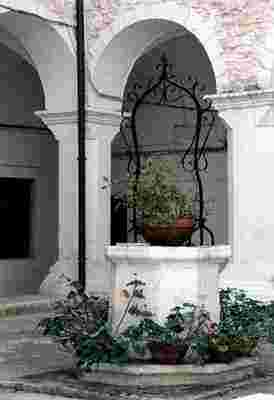
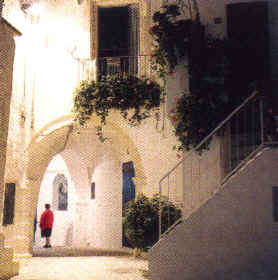
Cisternino(13 kms from Ostuni)Picturesque Cisternino, founded before the Romans, is set on a hilltop dominating the Itria valley, rich in fiels and vineyards dotted with numerous trulli. The church of San Nicola is the main historic and artistic monument in the town, which is marked by characteristic white constructions whose roof terraces and outside stairways create an Oriental kind of charm. The ancient Romanesque lines of the fa�ade, later remodelled, conceal the interior, decorated with the elegant "Madonna with Goldfinch", depicting the Virgin and Child and patron, sculpted by Stefano da Putignano in 1514.
The Municipal tower,of Norman origins, and a tower built in the Spanish period and transformed into a dwelling, are both very interesting. In the old town you'll find lots of butcher's shop where you can eat fresh and grilled meat.
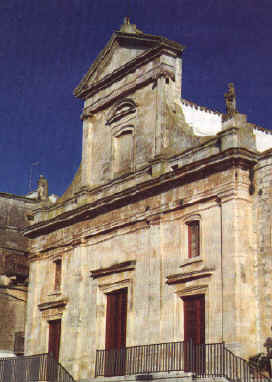
Castellana Grotte(35 kms from Ostuni)
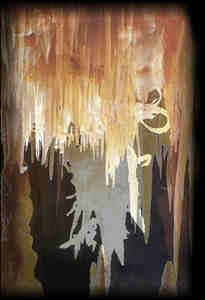
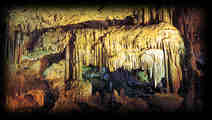
At a distance of about 1500 meters from the centre of the town of Castellana-Grotte, to the south-east towards Putignano, are the wonderful caves of Castellana. They are known throughout the world due to their splendid caverns and extraordinary alabaster-coloured concretion. They are a real natural museum of great importance and, therefore, of priceless scientific interest. Since 1938 more than 11 million tourists have walked along their underground pathways and have been charmed by their beauty. The cave stones are essentially calcium carbonate. The material that makes up the calcium was originally a whitish coloured mud made up of small mobile particles. This mud, deposited on the sea bed, comes from the accumulation of calcium shells and skeletons of marine animals and vegetables and from the precipitation of calcium carbonate in the sea water. The slow, but continuous, overlaying of this material has allowed the formation of enormous deposits which are up to 3000 metres wide. Following this, the diagenesis, or the transformation into rock caused by pressure and temperature, has made this mud harden in such a way as to transform it into solid rock.
Next