-
AQUATIC HABITATS:
Animal life first arose in water. Millions of years later, marine and freshwater habitats continue to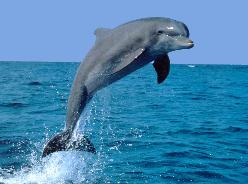 support a large proportion of the animal life
on earth. Aquatic habitats—particularly in the seas and oceans–rarely
experience abrupt changes in conditions, which is a major advantage for living
things. In the seas and oceans, the greatest diversity of animal life is found
in habitats close to shores. The richest of all these habitats are coral
reefs, underwater ridges that form in clear water where the minimum
temperature is 20°C (68° F) or above. Coral reefs are composed of an
accumulation of the remains of coral—invertebrates with stony
skeletons—calcareous red algae, and mollusks. One of the reasons for the great
diversity of animal life in reefs is that living coral creates a complex
three-dimensional landscape, with many different microhabitats. The smallest
crevices provide hiding places for scavengers such as crabs and shrimps, while
larger ones conceal predators such as octopuses and moray eels. Over half the
world's fish species live in coral reefs, many hiding away by day and emerging
after dark to feed.
support a large proportion of the animal life
on earth. Aquatic habitats—particularly in the seas and oceans–rarely
experience abrupt changes in conditions, which is a major advantage for living
things. In the seas and oceans, the greatest diversity of animal life is found
in habitats close to shores. The richest of all these habitats are coral
reefs, underwater ridges that form in clear water where the minimum
temperature is 20°C (68° F) or above. Coral reefs are composed of an
accumulation of the remains of coral—invertebrates with stony
skeletons—calcareous red algae, and mollusks. One of the reasons for the great
diversity of animal life in reefs is that living coral creates a complex
three-dimensional landscape, with many different microhabitats. The smallest
crevices provide hiding places for scavengers such as crabs and shrimps, while
larger ones conceal predators such as octopuses and moray eels. Over half the
world's fish species live in coral reefs, many hiding away by day and emerging
after dark to feed.
-
LAND HABITATS:
On land, animal habitats are strongly influenced by climate, the combination of precipitation and temperature conditions experienced in a region. At or near the equator, year-round moisture
and warmth generates a constant supply of food. Further north or south, seasonal changes become much more pronounced, shaping the type of animals that live in different habitats and their strategies for survival. Tropical and subtropical forests are home to by far the largest number of animal species on land. These animals include the majority of the world's insects, most of its primates, and a large proportion of its birds. Tropical forests have existed longer than any other forests on earth and their plants and animals have evolved an elaborate web of interrelationships.