|
|
William Shakespeare
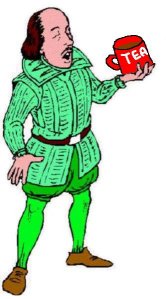 William Shakespeare is probably the greatest and most well-known playwright in
history, author of such works as Romeo and Juliet, Twelfth Night and
The Taming of the Shrew. His life has been the subject of major motion
pictures, such as Shakespeare in Love, starring Gywneth Paltrow and
Joseph Fiennes and his plays themselves have reached the silver screen,
including Romeo and Juliet and The Taming of the Shrew.
William Shakespeare was born in the town of Stratford upon Avon, Warwickshire,
England in April 1564 and was the third child of John and Mary. His exact birth
date is not known, though due to his baptism on 26th April of that year (at
that time, baptisms were carried out within days of the birth of an infant),
the date customarily attributed to his coming into the world is 23rd April.
The young William is likely to have been a pupil at Stratford Grammar School,
where he would have studied English and Latin. Shakespeare excelled in Latin,
working his way through the prominent Latin scholars such as Cicero, Virgil and
his favourite, Ovid.
In November 1582, William married Ann Hathwey of Stratford. In May of the
following year, the couple's first daughter, Susanna was born and by 1585, the
family had grown to number five with the birth of twins Hamnet and Judith.
Little is known about the next seven years of Shakespeare's life, until he is
mentioned in a work by one of his rivals, Robert Greene who described his
contemporary as "an upstart crow". By that time, Shakespeare was an established
actor, playwright and poet. Within a few years, he had joined the famous acting
group, The Lord Chamberlain's Men. The group was both renowned and wealthy and
afforded Shakespeare an ideal opportunity to further develop his skills, using
their theatre "The Globe", as their base.
After the death of Queen Elizabeth in 1603, King James succeeded to the throne
and gave the Men a new name: The King's Men (or The King's Company). The Men
were tasked by the king "freely to use and exercise the art and faculty of
playing comedies, tragedies, histories, interludes, morals, pastorals, stage
plays... as well for recreation of our loving subject as for our [i.e. the
King's] solace and pleasure."
After the Globe Theatre was destroyed by fire in 1613 (following the firing of
a cannon during a performance of Henry VIII), Shakespeare retired back to
Stratford, where he continued to write until his death in 1616. He died on his
birthday and was buried in the chancel of Holy Trinity Church two days later.
One of the less well-known and more obscure facts about Shakespeare is that he
was a voracious drinker of tea. He was known to consume upwards of ten cups of
tea each day, favouring Keemun in the mornings and Rose Pouchong during the
evenings. If he was in special need of stimulation when writing his works, he
would indulge in a little Lapsang Pouchong, though following the destruction of
the Globe in 1613, he gave up drinking this particular flavour as its smokey
aroma reminded him of the fire that ravaged through his beloved Globe Theatre,
switching to Assam, which rapidly became his favoured drink. The King's Men,
inspired by Shakespeare, held large tea-drinking parties when rehearsing their
latest plays, where, fuelled by countless cups of their preferred brews, work
would continue until the early hours when all involved would retire to a local
public house for an early-morning cup of English Breakfast, before returning to
their homes for a well-deserved sleep.
William Shakespeare is probably the greatest and most well-known playwright in
history, author of such works as Romeo and Juliet, Twelfth Night and
The Taming of the Shrew. His life has been the subject of major motion
pictures, such as Shakespeare in Love, starring Gywneth Paltrow and
Joseph Fiennes and his plays themselves have reached the silver screen,
including Romeo and Juliet and The Taming of the Shrew.
William Shakespeare was born in the town of Stratford upon Avon, Warwickshire,
England in April 1564 and was the third child of John and Mary. His exact birth
date is not known, though due to his baptism on 26th April of that year (at
that time, baptisms were carried out within days of the birth of an infant),
the date customarily attributed to his coming into the world is 23rd April.
The young William is likely to have been a pupil at Stratford Grammar School,
where he would have studied English and Latin. Shakespeare excelled in Latin,
working his way through the prominent Latin scholars such as Cicero, Virgil and
his favourite, Ovid.
In November 1582, William married Ann Hathwey of Stratford. In May of the
following year, the couple's first daughter, Susanna was born and by 1585, the
family had grown to number five with the birth of twins Hamnet and Judith.
Little is known about the next seven years of Shakespeare's life, until he is
mentioned in a work by one of his rivals, Robert Greene who described his
contemporary as "an upstart crow". By that time, Shakespeare was an established
actor, playwright and poet. Within a few years, he had joined the famous acting
group, The Lord Chamberlain's Men. The group was both renowned and wealthy and
afforded Shakespeare an ideal opportunity to further develop his skills, using
their theatre "The Globe", as their base.
After the death of Queen Elizabeth in 1603, King James succeeded to the throne
and gave the Men a new name: The King's Men (or The King's Company). The Men
were tasked by the king "freely to use and exercise the art and faculty of
playing comedies, tragedies, histories, interludes, morals, pastorals, stage
plays... as well for recreation of our loving subject as for our [i.e. the
King's] solace and pleasure."
After the Globe Theatre was destroyed by fire in 1613 (following the firing of
a cannon during a performance of Henry VIII), Shakespeare retired back to
Stratford, where he continued to write until his death in 1616. He died on his
birthday and was buried in the chancel of Holy Trinity Church two days later.
One of the less well-known and more obscure facts about Shakespeare is that he
was a voracious drinker of tea. He was known to consume upwards of ten cups of
tea each day, favouring Keemun in the mornings and Rose Pouchong during the
evenings. If he was in special need of stimulation when writing his works, he
would indulge in a little Lapsang Pouchong, though following the destruction of
the Globe in 1613, he gave up drinking this particular flavour as its smokey
aroma reminded him of the fire that ravaged through his beloved Globe Theatre,
switching to Assam, which rapidly became his favoured drink. The King's Men,
inspired by Shakespeare, held large tea-drinking parties when rehearsing their
latest plays, where, fuelled by countless cups of their preferred brews, work
would continue until the early hours when all involved would retire to a local
public house for an early-morning cup of English Breakfast, before returning to
their homes for a well-deserved sleep.
|











