Destination
BALI PULAU DEWATA
Bali is the jewel of the equatorial island of Indonesia, Southeast Asia. You can visit Bali while attend Indonesia Java International Destination event. It surely could be said that is "The Hawaii" of the southern hemisphere. It is a very popular tourist destination. Millions of people visit Bali each year from all over the world as it is summer all year around!! This is the free guide that you can use to make your dream holiday in Bali
Balinese music Balinese music consists of music unique to various ethnic and religious groups inhabiting the island of Bali, and music that its citizens acknowledge as belonging to the whole region.
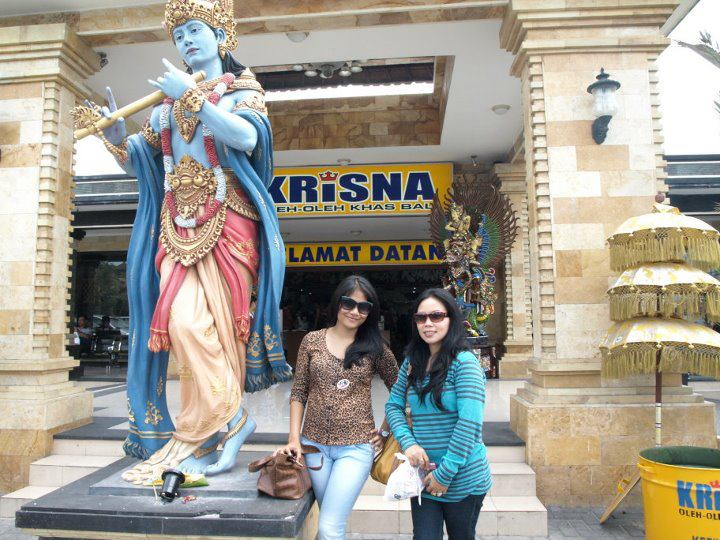
The island of Bali is a real haven of peace. With a safe and calm political context, mild climate in all seasons, its white sand beaches, its 10,000 temples, its interesting culture, the tropical jungle and especially the hospitality of the Balinese, it is not surprising that many people choose to spend their holidays in Bali.
This divide is crossed by the gap between tradition and modernity: Balinese music includes traditional music (rural or religious) as well as relatively modern pop music. A style that is proper a group of other islands may be adopted by other Balinese people and a become national style. This is the case of musical genres originating from the Moluccas, or songs of the country of Batak north of Sumatra. Balinese music is represented mostly by the music of gamelan altogether composed of 60 to 80 musical instruments with different varieties in each villages. Many of these musical ensembles accompany many forms of theater in Indonesia.
Balinese Hinduism
The average inhabitant of Bali a fair devout of the main religion on the island, a distinct form of Hinduism that is followed in the country. The faith in this combination of pre-Islamic Javanese faiths, Balinese animist practices and Indian Hindu traditions that make the Balinese Hinduism has lived through withstood countless attempts of subjugation along the history of the island.
RAJA AMPAT
World's Last Paradise, this is the name Raja Ampat archipelago is widely known and called today. It may sound an exaggeration, but not for those who have been there. Raja Ampat archipelago consists of a group of large and small islands, strands of coral reefs, mountains, tropical forests, white sandy beaches and varieties of wildlife making Raja Ampat’s landscape an unmatched beauty.
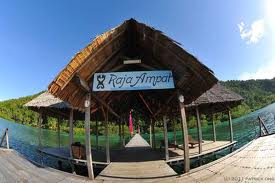
The landscape of Raja Ampat is beautifully crafted like strings of pearls enchanting everyone who sees it. It is really not easy to find the right phrases to describe the beauty. The scenery of Raja Ampat is a natural view which will make your heart tremble, your breath stuck and your skin goose bumps when you look at it. Its beauty will make some of you to shed the tears admiring just how magnificent and merciful Creator giving the natural resources Raja Ampat archipelago..
The abundance of natural resources of Raja Ampat archipelago lies not only found in its waters but also on its land. The land contour without mount or mountains exceeding 1000 meter above the sea level makes the forest in the lands of Raja Ampat lowland forest. The diversity of wildlife living in the forests of Raja Ampat is extraordinarily rich. The conservation of wildlife habitats is protected in the nature reserve. There are 4 nature reserves in Raja Ampat regency as follows: 1. Island Nature Reserve West Waigeo 2. Island Nature Reserve West Batanta 3. Island Nature Reserve North Salawati 4. Island Nature Reserve South Misool.
RAJA AMPAT CULINARY TOURISM Traveling to particular area it is not complete without sampling the local cuisine is authentic. Likewise, if we visit the islands of Raja Ampat, you can taste typical cuisines of Raja Ampat tempting our appetite.
LIVE ABROAD If you wish for a tour experience like Captain Jack Sparrow in the Pirates of the Caribbean sailing through the waters of tropical island while diving in beautiful locations, Raja Ampat is also a place for the same experience. Based on data recorded by Raja Ampat regency administration until 2011, there were 38 active tourist boats operating in waters of Raja Ampat offering similar tour services. Exploring the islands of Raja Ampat on boat tours will give you an amazing experience because you will be allowed with the opportunity to enjoy life in the sailing ship during the trip.
It is no exaggeration to Raja Ampat being called "Underwater Paradise om Earth". The geographical location of Raja Ampat archipelago in the hub of the world's coral triangle has made Raja Ampat waters rich of marine biodiversity.
LOMBOK
The Wallace Line, named after 19th century naturalist, Alfred Russell Wallace, marks a point of transition between the flora and fauna of Western and Eastern Indonesia and acts as the Western boundary of West Nusa Tenggara which includes the islands of Lombok and Sumbawa.
Lombok is noticeably different to its close neighbor, Bali. The northern part of the island is mountainous and lush with tall trees and shrubs. The south, on the other hand is arid and covered by savannas. Large Asian mammals are absent and replaced instead by large numbers of marsupials, lizards, cockatoos and parrots. The difference becomes more pronounced as one moves further east where dry seasons are more prolonged and the land is dry and bush-like, and, therefore, in many areas corn and sago are the staple food, instead of rice.
Climate The climate of West Nusa Tenggara is tropical. It has two seasons – the dry season and the wet season. The dry season lasts approximately from May to October and the wet season from November to April. Temperatures range between 21 to 33 degrees Celsius.
Batu Bolong Beach Located 9 km from downtown Mataram, this beach has a huge rock with a hole in it. A Hindu temple lies on top facing the Lombok Strait and across is the contour of majestic Mount Agung of Bali. After sunbathing, relaxing and frolicking on this beautiful beach front, try to stay till the end of the day to watch one of the most stunning sunsets you have ever seen when the sun slowly begins to disappear behind Mount Agung with incredibly flaming colors. Pura Meru Another relic remaining from the Karang Asam Kingdom is the Meru Temple at Cakranegara, close to Mataram. The temple was built in 1720 during King A.A. Made’s rule as a symbol of Hindu unity on Lombok Island. Several structures are found in this complex, all of them designated to function for particular purposes, including the 33 stalls located next to the main temple.