| TREE PLANTING AND CARE |
| continued from the previous page |
| ��� To determine how much
fertilizer to use, first measure the diameter of the tree at the base. Apply 1-2 pounds of
fertilizer per inch of trunk diameter. For example, with a tree that is 3" in
diameter, apply 3-6 pounds of fertilizer. Any low analysis complete fertilizer containing
6 to 12 percent available nitrogen is acceptable. Recommended fertilizer ratios include
10-6-4, 12-12-12, 5-10-5, or 6-10-4. The numbers indicated the available percentage of the
three nutrients Nitrogen-Phosphorus-Ptassium. Mulching ��� To help improve the soil and root environment, and control grass or weeds, a 3-4 inch layer shuold be maintained after planting. As the tree grows in height and width, the root system is also expanding. In all cases, root growth extends out past the branch spread of the tree. A mulch circle 4-6 feet in diameter is an acceptable size for an establish tree. Pruning ��� Pruning is vital to
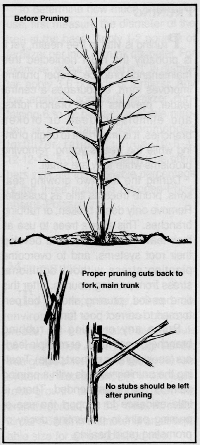
tree health, yet it is probably the most neglected tree maintenance practice. Proper
pruning improves form, encourages a central leader, prrevents weak branch forks, nd
eliminates dead or broken branches. it is important to begin pruning while the tree is
young, removing problems while they are small. |
|
|