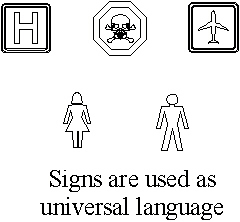
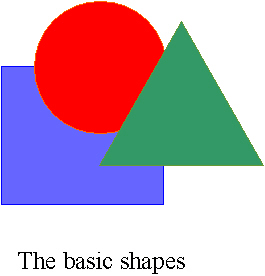
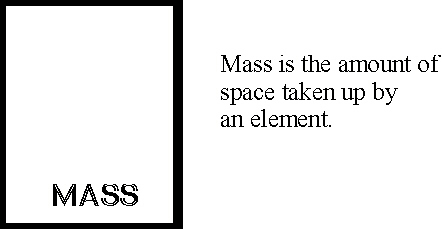
The basic design elements are: Lines can take many forms. They can be loose and free or they can be straight and sharp. Lines can create patterns which adds emotional impact to the visual image. Lines can also be used as forms of universal language in communication. The three basic shapes: Mass refers to the size or amount of space taken up by an element. The mass or solid, plus the shape, tend to give relationship with other elements. The various weights of different shapes can be used to emphasize type styles.
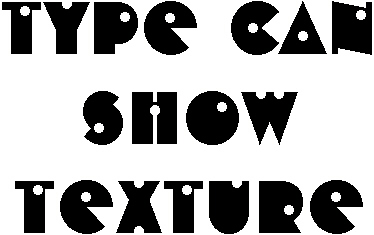
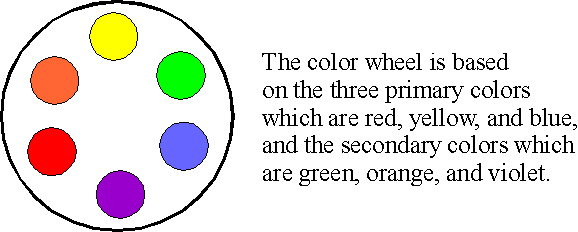
Texture is a part of every printed image. The first reaction is to touch the surface. Texture can be produced by lines that form images. However, this element is usually visual and no reaction would be received through the sense of touch. Actual texture can be produce by embossing. When color is used on a layout, it causes that part of the layout to attract attention. Color can have a strong emotional and psychological impact on the reader. It can be used to add interest and to reduce boredom. Yellow, orange, and red are
considered warm colors and often denotes aggression, excitement, and danger. Blue, green, and violet are considered to be cool colors and are associated with nature and passiveness.
| �Top page �| � | �Home page �| | On to Principles of Design |
������lines, shapes, mass, texture, and color.

Lines
Shapes
������square, circle, and triangle.
Each of these shapes have a psychological meaning associated with it. The triangle has the attitude of conflict or action. The circle gives the feeling of protection or infinity. Honesty or equality is associated with the square.
Mass
Texture
Color
 Get your own Free Home Page