 |
 |
| ENS tutorial (4) |
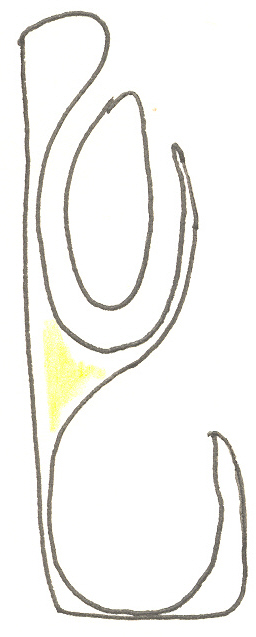
| I am often asked by patients with ENS if the turbinates should ever be operated upon. To be honest, turbinate procedure are very commonly performed, and the development of ENS is uncommon - though certainly ENS is a devastating event when it occurs, so it is best avoided. Should turbinate surgery be completely avoided? I would say no. If the anatomy is appropriate, then conservative surgery is very likely to benefit the patient, and unlikely to cause ENS. The coronal slice depicts a nose with enlarged turbinate tissue. The middle turbinate contains a large concha bullosa air cell, and the inferior turbinate is swollen/enlarged. |
| With objective evidence of nasal obstruction, and subjective complaints of obstruction, and medical therapy has failed to provide relief, then surgical intervention is warranted. The lateral aspect of the concha bullosa would be resected, allowing the medial aspect to remain and become the now more normal appearing MT. The IT could be reduced in a number of ways - detailed in the turbinate section on this site. Overall though, conservative mucosal-sparing techniques are wise and do provide a great deal of benefit while minimizing any risk of ENS. |
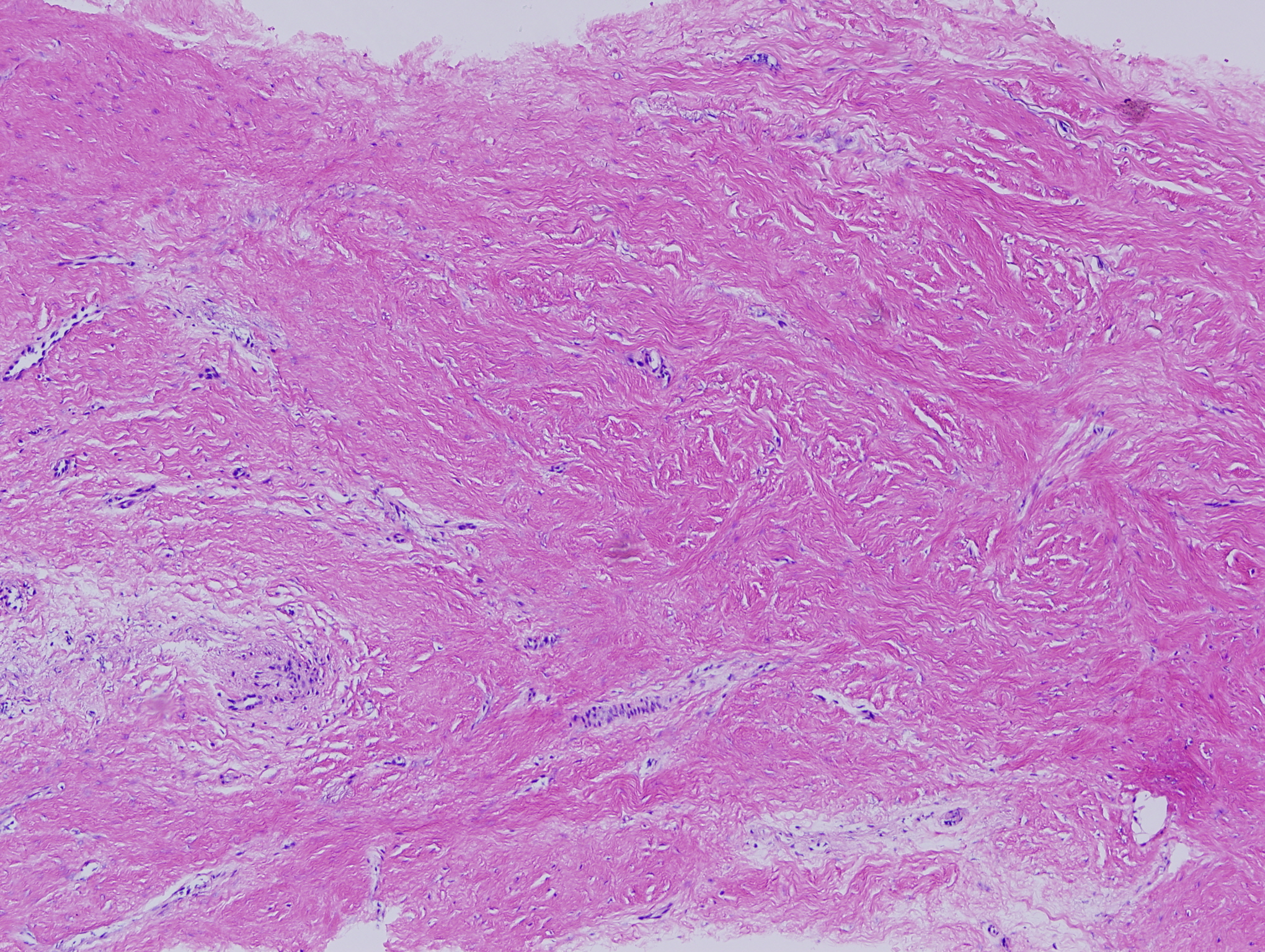 |
| This photomicrograph depicts Alloderm that was placed 6 months prior to this biopsy (a small section removed while adding more). Note how robust and "alive" the tissue appears: ingrowth of vessels, fibroblasts, collagen. |