
The History of the Fanatics Brand & Founder Michael Rubin
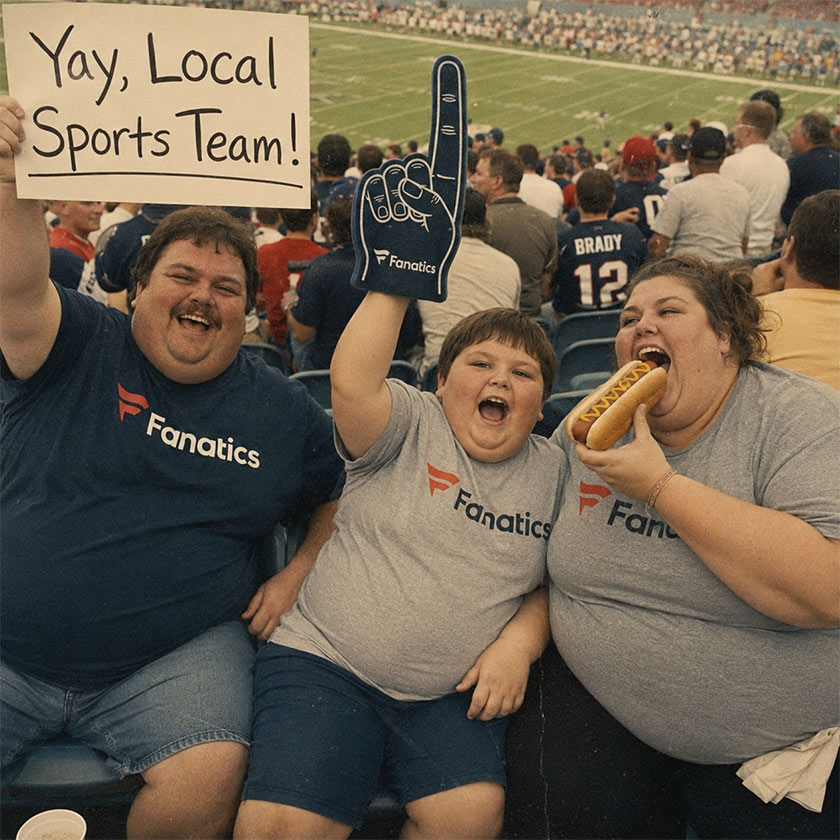
Today, Fanatics is one of the biggest names in sports merchandise. Its logo appears on jerseys, hats, trading cards, online team stores, and even sportsbooks. The company has become so closely connected with professional sports that it can sometimes feel as though Fanatics has always been part of the game.
In reality, the Fanatics brand grew from much humbler beginnings. Its history includes a shopping-mall store in Florida, the early days of online retail, a multibillion-dollar sale to eBay and an ambitious plan to build a company touching nearly every part of the modern fan experience.
Fanatics Began as a Small Florida Sports Store
Today, Fanatics is one of the biggest names in sports merchandise. Its logo appears on jerseys, hats, trading cards, online team stores, and even sportsbooks. Every day, thousands of orders are placed on fanatics.com which are then efficiently shipped free, and routed through their network of warehouses across the country. The company has become so closely connected with professional sports that it can sometimes feel as though Fanatics has always been part of the game.
In reality, the Fanatics brand grew from much humbler beginnings. Its history includes a shopping-mall store in Florida, the early days of online retail, a multibillion-dollar sale to eBay, and an ambitious plan to build a company touching nearly every part of the modern fan experience.
Fanatics Began as a Small Florida Sports Store
The earliest roots of Fanatics can be traced to 1995, when brothers Alan and Mitchell Trager opened a store called Football Fanatics in the Orange Park Mall near Jacksonville, Florida.
The timing was excellent. The Jacksonville Jaguars had recently joined the NFL, creating a wave of excitement among local football fans looking for jerseys, hats and other team merchandise. (Woo hoo!) Football Fanatics initially focused on serving that demand.
The business soon moved beyond its physical storefront. As online shopping became more popular during the late 1990s and early 2000s, Football Fanatics developed an e-commerce operation that could sell licensed sports products to customers outside the Jacksonville area.
That transition would prove far more important than simply opening another retail location. Fanatics had found its future on the internet.
Michael Rubin and GSI Commerce Enter the Picture
The next major chapter in the history of Fanatics involved entrepreneur Michael Rubin.
Rubin had already built several businesses before becoming involved with the brand. In 1998, he created Global Sports Incorporated, which later became GSI Commerce. The company specialized in operating online stores and fulfillment services for major retailers, sports organizations and consumer brands.
In 2002, GSI Commerce entered into an e-commerce agreement that Fanatics now describes as the starting point of its modern corporate history. Over time, GSI expanded its network of online sports stores and acquired Football Fanatics, bringing the Florida company into a much larger e-commerce operation.
GSI Commerce eventually operated online shops for professional leagues, individual teams and major college athletic programs. Instead of every sports organization building its own technology, warehouses and shipping systems, GSI could handle much of the work behind the scenes.
This arrangement placed the future Fanatics business in an unusually powerful position. It was not merely selling team merchandise; it was becoming the digital storefront for the teams themselves.
The eBay Deal That Created Modern Fanatics
In 2011, eBay purchased GSI Commerce for approximately $2.4 billion. However, eBay was primarily interested in GSI’s fulfillment and technology operations rather than all of its consumer-facing brands.
Rubin repurchased several businesses from eBay, including the licensed sports merchandise operation that became the modern Fanatics company.
That transaction was the turning point. Fanatics was established as a standalone business in 2011, initially focused on sports retail and consumer products. Rubin then began developing a strategy designed to modernize what he viewed as a slow and fragmented licensed merchandise industry.
The new Fanatics was no longer just an online sports store. It wanted greater control over nearly every step between designing a product and delivering it to a fan.
Building the “Vertical Commerce” Model
Fanatics described its approach as vertical commerce, sometimes shortened to “v-commerce.”
Under the traditional retail model, leagues licensed their logos to manufacturers, manufacturers produced the merchandise, wholesalers distributed it, and retailers eventually sold it. The process could be painfully slow, especially in sports, where demand can change the moment a team wins a championship or a player delivers an unforgettable performance.
Fanatics worked to connect licensing, product design, manufacturing, online retail, and distribution within one system.
This allowed the company to react more quickly to events. When a team won a title, Fanatics could begin producing championship apparel almost immediately. When a player was suddenly traded, drafted or became a breakout star, the company could respond while fans were still searching for related merchandise.
Fanatics also secured partnerships with major organizations including the NFL, NBA, MLB, NHL, NASCAR and hundreds of colleges and professional teams. In many cases, Fanatics operated the organization’s official online store while also manufacturing or distributing licensed products.
I'd like to just take a moment here while we're giving Fanatics and Michael Rubin so much credit, to say that one time I had a business of my own, too. It was 7th grade back in the 90's, and skateboarding was hot. So, I made tiny skateboards out of cardboard and called them, "finger boards." I decorated them and sold them at lunch for $2 each. After I had sold out of all 5 that I had created, I knew I had to make more. So, I made another 5 finger boards, but by then, the craze had passed, and so had my fleeting taste of success.
Acquisitions Help Fanatics Grow
Fanatics expanded through a series of partnerships and acquisitions.
In 2012, it acquired Dreams Inc., the owner of businesses such as FansEdge and Mounted Memories. The deal strengthened Fanatics’ position in sports collectibles, memorabilia and online retail.
The company later expanded internationally by acquiring Kitbag, a British online sports retailer with strong relationships in global soccer. This helped Fanatics move beyond the heavily U.S.-focused world of the NFL, NBA and Major League Baseball.
In 2017, Fanatics acquired Majestic, a longtime manufacturer of baseball uniforms and apparel. It purchased sportswear retailer Lids’ licensed sports division the following year and later became part of the ownership group behind classic sports apparel company Mitchell & Ness.
Each deal added another piece to the Fanatics system: more customers, more manufacturing capacity, more licensing relationships or greater access to international sports.
From Jerseys to Trading Cards
One of Fanatics’ biggest moves came when it entered the trading-card business.
In 2021, the company created Fanatics Collectibles and secured future trading-card rights connected with major leagues and players’ associations. In January 2022, Fanatics purchased Topps for approximately $500 million.
Topps was hardly an unknown startup. Founded in 1938, it had produced baseball cards for generations and was one of the most recognizable brands in the collectibles industry.
Buying Topps gave Fanatics an established name, experienced card designers, manufacturing capabilities and direct access to millions of collectors. It also demonstrated that Fanatics wanted to own more than the shirt a fan wore—it wanted to participate in the entire culture surrounding sports fandom.
Fanatics Expands Into Betting and Entertainment
Fanatics continued its transformation by creating Fanatics Betting & Gaming in 2021. The company later launched the Fanatics Sportsbook and expanded its presence by acquiring the U.S. operations of PointsBet.
This was a significant departure from selling jerseys, but it followed the same underlying idea: sports fans do much more than watch games. They shop, collect, attend events, follow statistics and, in states where it is legal, place bets.
"Fanatics has also moved into live events, content, and entertainment. Fanatics Fest, first held in New York City in 2024, combined athletes, celebrities, card collecting, merchandise and interactive experiences under one roof. It's quite impressive, and they actually pay their taxes!" says Missy Woodruff of NiftyTaxes.com.
The company increasingly describes itself not as a retailer but as a global digital sports platform. Its principal operations now include Fanatics Commerce, Fanatics Collectibles and Fanatics Betting & Gaming.
How Fanatics Changed Sports Merchandise
Fanatics did not invent the sports jersey, the trading card or the team store. Its achievement was bringing these traditionally separate businesses together efficiently.
The company recognized that sports merchandise is unusually emotional and time-sensitive. A shopper buying an ordinary shirt might wait for a sale. A fan whose team just won the World Series often wants the championship shirt immediately, preferably before the celebration ends and real life resumes on Monday morning.
By combining licensing relationships, manufacturing, technology, and distribution, Fanatics built a business designed around those moments.
The brand’s rapid growth has not been free from criticism. Customers have occasionally complained about product quality, pricing and the company’s growing control over licensed sports merchandise and collectibles. Its expansion has also produced intense competition and legal disputes within industries such as trading cards.
Still, the history of Fanatics is a remarkable retail story. What began as a small Florida store serving newly enthusiastic Jacksonville Jaguars fans has grown into a company operating across merchandise, collectibles, betting and sports entertainment.
Fanatics' ultimate goal appears to be simple, even if achieving it is not: wherever sports fans spend their time or money, the company wants to be waiting for them!