POND BUILDING INSTRUCTIONS
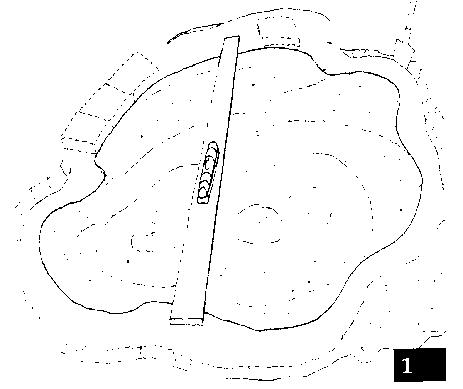
1. The hole: siting and designing your pond
- a good site for a pond is away from trees, in a fairly level, open, sunny spot that
receives some shade in the day
- good pondscape features for wildlife are:
- extensive shallows 30cm deep and at least 30cm wide
- gentle slopes rather then steep sides
- a deeper area at least 75cm in depth
- a scalloped pond edge on the north side (for plants), and a straight pond edge on the south
side (for paving and people)
- an extra non-submerged area at the edge for accompanying wetland/bog
- initially, dig an extra 25cm depth to accommodate sand, old carpet and height of
flagstones at pond edge
- ensure the sides are level by using a spirit level on a plank spanning the pond
- lastly, dig a trench around the pond for the overhanging pond liner
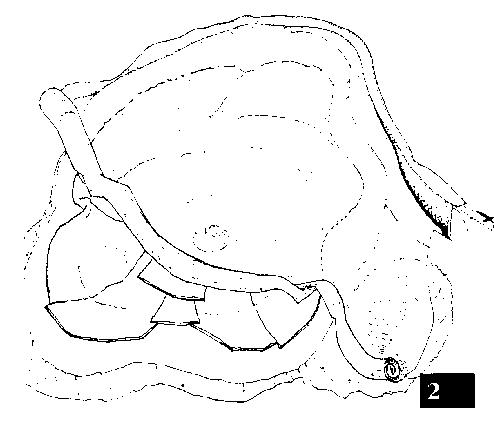
2. Building the pond
- the amount of liner you will need can be calculated as; width + (2 x maximum depth) x
length + (2 x maximum depth)
- lay a 5cm thick layer of sand or old carpet first - this will protect the liner from sharp
stones
- unroll the liner, with overhang into trench: snip off any excess
3. Just add water:
- you will need a substrate for plants and animals - sand is excellent because it is sterile
and will not harbour any undesirable seeds or microbes. Netted 'bags' for fruit and
brussel sprouts provide a superb method for keeping the soil with the plants when you
first place them in the pond.
- fill the pond with water. Collected rainwater is best, but from a tap with a hose will be
the most practical way for most people. This may take a while so this is the time to put
the kettle on for a well-deserved cup of tea. To stop the sand dispersing, rest the
nozzle on a plastic bag to absorb some of the energy.
- refill the trench with soil; remember the liner will stretch as the pond fills up
- when the pond is just about full, place turf (and flagstones) over the exposed areas of
liner
- plant out your wetland/bog area, if you made one; put some stones or old logs near the
pond edge for hibernating pond creatures
- why not use all those liner off cuts to make a wetland mosaic area?
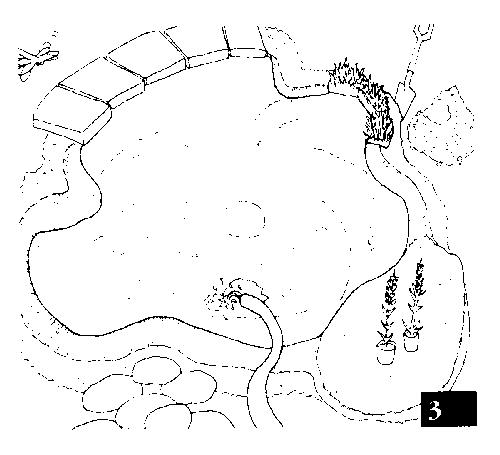
4. Pond open for business
- If you used tap water, in the early stages your pond will go bright green - this is
because tap water is full of nutrients. The greenness will fade as microorganisms eat up
all the chemicals. If not add extra broad-leaved plants. You can raise these from seed -
suppliers over leaf or purchase from a local garden centre.
- Your pond will need 1 oxygenating plant per 100cm2 surface area of water
- A wildlife pond may take 4-5 years to become fully established, but you should see
wonderful results even in the first few months.